
Shufan Yang spent a decade in academia, earned a PhD in Chemistry at the University of Edinburgh, and was well on their way to a research career when coffee quietly became impossible to ignore. Not coffee as a habit or a ritual, but coffee as a system: all those interacting variables, the processing, the roast, each one capable of pulling the final cup in a completely different direction. For someone trained to find that kind of complexity fascinating rather than overwhelming, the pull toward brewing & roasting was probably inevitable.
Ratdog Speciality Coffee, which Shufan founded in March 2026, was turning heads from the beginning. Just a month after launching the brand, they placed 3rd at the UK Brewers Cup. A growing online shop, workshops on water chemistry and roast development, and live roasting sessions in the evenings: not a bad start for someone who describes themselves as new to the industry. The chemistry background is not decorative. It shapes how Shufan approaches every variable in the process and how they think about what a coffee is actually doing in the cup.
What comes through most clearly in talking to Shufan is a quiet, unhurried curiosity that feels nothing like ambition for its own sake. They compete when they have something genuine to explore on stage. They roast & brew to understand the coffee, not to impose a style on it. Their favourite moment of the working day is cupping, that instant when all the assumptions disappear, and the coffee tells you what actually happened. Happy brewing, happy drinking, they say, and they mean it with all their heart!
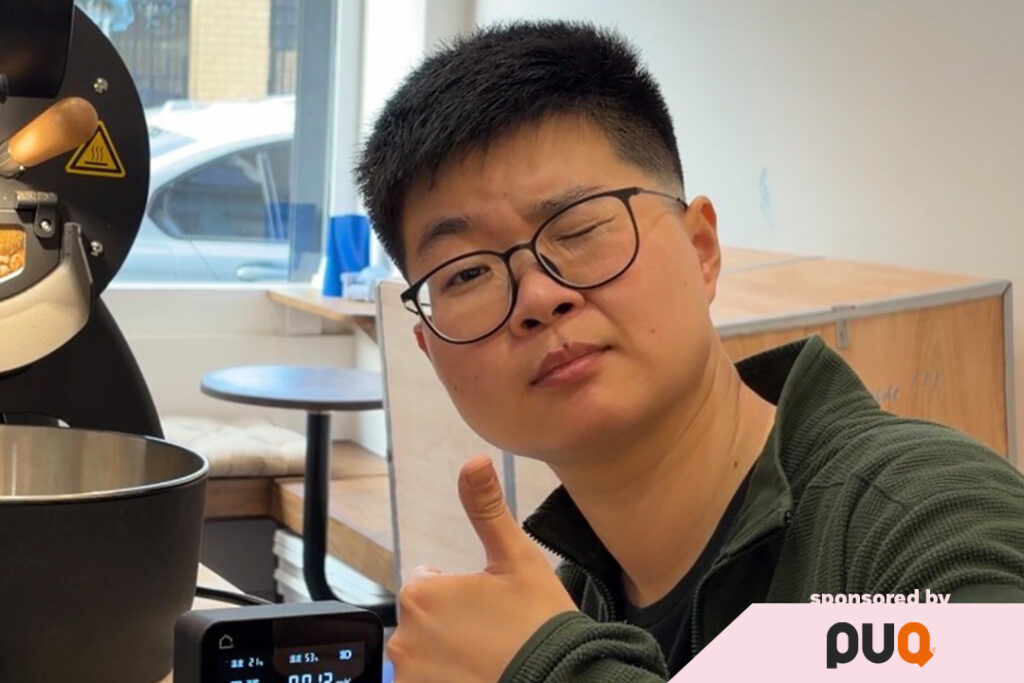
Shufan, what is your first memory with coffee?
My very first memory of coffee was instant coffee from the supermarket when I was in secondary school (about 15 years old). Whenever exams were coming up, I had to drink coffee to keep myself awake so I could study late into the night. That was my very first coffee memory.
I remember the brand was Nescafé. It was one of those 3-in-1 instant coffees. It was around £5 for a 250g pack. Looking back now, that’s not much, but as a student back then, it definitely wasn’t cheap. I barely remember how it tasted. I just remember drinking it purely because I needed the caffeine to stay awake and survive exam season.
What inspired you, alongside your scientific career, to pursue one in the coffee industry, and how did you get started? What did you do before coffee?
What first attracted me to coffee was simply how good it can taste, but the more I learned about it, the more fascinated I became by its complexity and diversity. What fascinates me most about coffee is its incredible diversity and complexity. Every coffee is different, starting with the variety, altitude and growing conditions, then factors such as bean density and processing method, and finally the roasting style of the person who roasts it. All these variables interact with each other and can lead to completely different flavours in the cup.
That complexity is what really drew me into coffee. Coming from a scientific background, I find it fascinating that there are so many variables to explore and that even small changes can produce a very different result.
I started roasting in 2024. As I became more interested in coffee, I began to notice how differently the same coffee could be expressed by different roasters. Even with an excellent coffee, each roaster’s approach can highlight different characteristics and create a very different experience in the cup. That naturally made me curious about what I might be able to achieve with my own approach to roasting, and whether I could develop a style that reflected what I personally enjoy in coffee. That curiosity was really what encouraged me to start roasting.
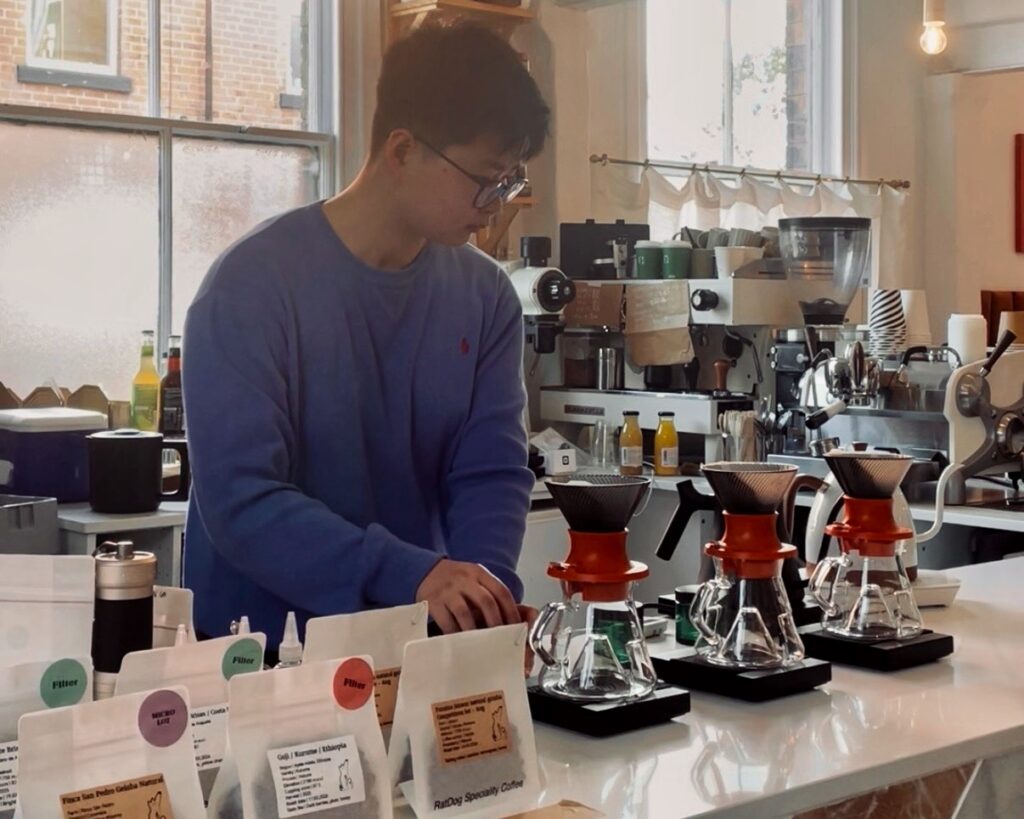
I had also always been curious about roasting because there are so many variables you can control. On the brewing side, you are working with a coffee that has already been grown, processed and roasted, so the range of things you can influence is relatively limited. With roasting, you have much more control over how the coffee develops and what characteristics you want to bring out. I found that incredibly interesting. Rather than just constantly changing my brewing parameters as a consumer, I wanted to go one step further and explore what I could create from the roasting side.
Before coffee, I spent around ten years in academia. I was awarded a fully funded PhD scholarship at the University of Edinburgh, where I completed my PhD in Chemistry and graduated in November 2025.
I was actually very close to continuing my career in academia, but my growing interest in coffee made me want to explore something beyond my academic career. I decided to give myself the opportunity to see where that curiosity could take me, which eventually led me into the coffee industry.
Tell us a bit about your Ratdog speciality coffee. What are all the roles you have there?
At Ratdog Speciality Coffee, I’m involved in almost every part of the business. My main responsibilities are sourcing green beans, roasting beans, quality control, packaging, order fulfilment and shipping, as well as managing the online shop and day-to-day operations.
I’m also involved in coffee sourcing and selection, developing roast profiles, and organising events and workshops. I regularly reach out to other people and businesses in the coffee industry, attend markets and events, and look for opportunities to get Ratdog’s coffee in front of more people and build connections within the industry.
The main area I’m less involved in is the visual side of the brand. My partner has been much more involved in things like developing the logo and taking many of the product photographs, while I focus more on the coffee and operational side of the business.
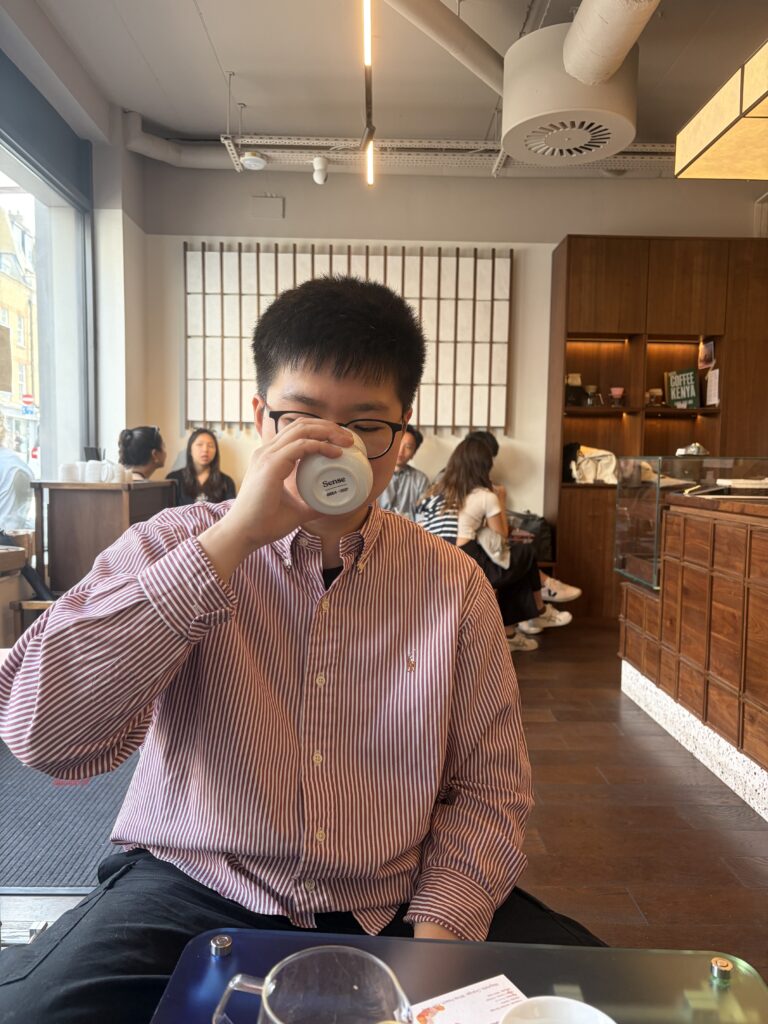
What kind of experience do you want your customers to have when they taste your coffee?
The most important thing for me is that the experience is enjoyable. I don’t think there is one ideal balance between acidity and sweetness, because everyone has different preferences. Instead, I try to roast each coffee according to its own characteristics and let the coffee express what makes it interesting.
What I want to minimise is any unpleasantness in the cup. Ideally, even if someone doesn’t have much brewing experience, the coffee should still be enjoyable rather than making them wonder why something tastes harsh or uncomfortable.
At the same time, I want the coffee to be clear and expressive. You should be able to recognise what makes that particular coffee special, whether that is its acidity, sweetness, body or aftertaste. I like coffees that have a sense of clarity and layers, where the different characteristics become apparent as you drink them.
Ultimately, I want the reaction to be more “Oh, coffee can taste like this?” rather than “What is this?”. For me, that combination of enjoyment, clarity and character is what makes a good coffee experience.
What is your favourite part of the day at coffee work, and why?
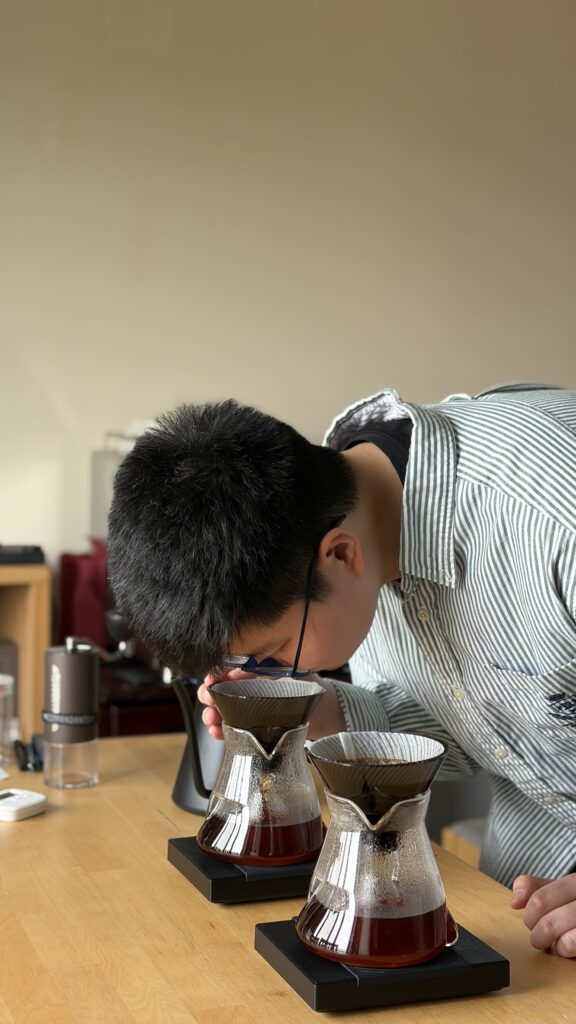
My favourite part of the day is definitely cupping. For me, a lot of the things we discuss or assume about a coffee before actually tasting it are somewhat speculative. You can look at a roast and think that you probably didn’t do a particularly good job, only to find that it actually tastes great when you cup it.
The opposite can happen too. Sometimes a coffee can look beautifully roasted and have what seems like a great roast level, but when you cup it, something just feels strange. That’s what I enjoy about cupping. It’s the moment when all the assumptions disappear, and the coffee actually tells you what happened. There are always surprises, and I find that process of tasting, questioning and trying to understand the result really satisfying.
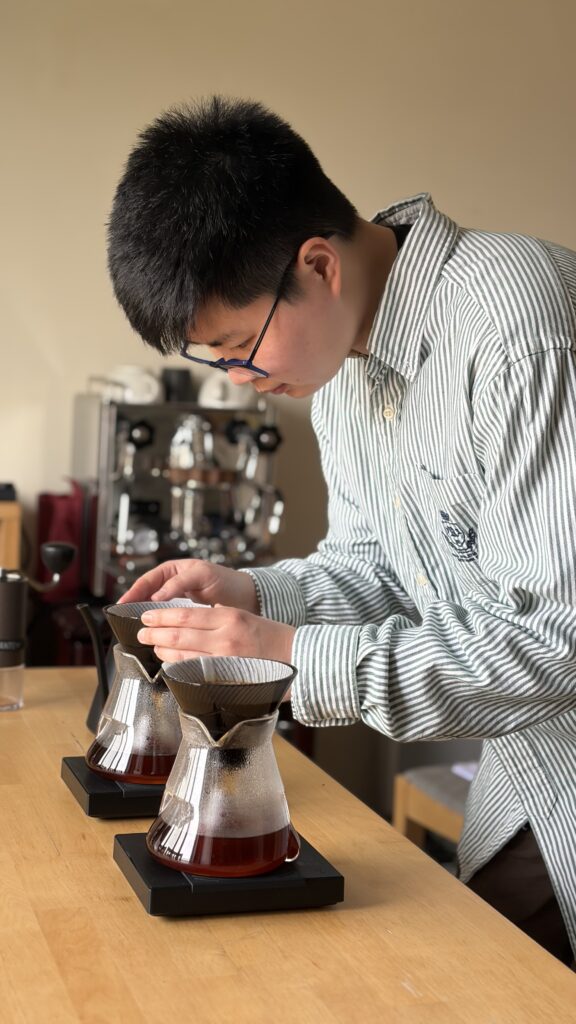
How do you stay motivated and inspired to keep improving your coffee-making skills?
A lot of my motivation comes from feedback from customers and other people in the industry. Positive feedback is always encouraging and makes me want to keep exploring.
As for improving my coffee-making skills, I see it more as something that is triggered by the coffee itself. Different coffees require different approaches. If something works well, there may be no reason to change it. But when I come across a coffee that is difficult to brew, that naturally gives me a reason to experiment, ask questions and improve. For me, improvement often comes from the opportunities that coffee presents.
What are some common misconceptions about our industry that you’ve encountered, and how do you address them?
I wouldn’t say I’ve encountered many major misconceptions about the industry yet, but one thing I’ve noticed is that the most expensive or famous coffee isn’t necessarily the one I enjoy the most. A coffee can be highly regarded or come from a well-known producer, but ultimately, what matters to me is how it tastes in the cup and whether I enjoy drinking it.
What are the current trends in cafes in your region? Are there any trends you promote yourself and would like to see more often in other places?
I’m currently based in London, and one thing I’ve noticed is that specialty coffee and more traditional coffee culture can still feel quite separate. Apart from milk drinks, they can sometimes feel almost like two different worlds. I’d love to see more light and light-medium roasted coffees becoming available in a wider range of cafés, as well as more pour-over and manual brewing options.
I’d also like to see more coffee education becoming part of the café experience. This is something I try to promote through my own workshops, including coffee water chemistry and coffee roasting. I think roasting workshops in particular can be a great way for customers to understand coffee beyond what they taste in the cup. Many people have never seen green coffee or even a coffee cherry, so showing them where coffee comes from and how it is transformed through roasting can make the whole experience much more meaningful.
You have some amazing achievements in championships. Can you tell us more about them?
It was actually quite a coincidence. In February 2026, while I was preparing to launch my online coffee shop, I was also trying to figure out where I wanted to position myself within the coffee industry. I felt that competing would be a good way to challenge myself and understand where I stood, so when I got the opportunity to compete in the UK Brewers Cup, I decided to give it a proper try. My partner was also a huge help throughout the preparation, especially when I had tasted so much coffee that I could barely taste anything anymore!
I honestly didn’t expect to make it to the finals, let alone finish in third place. After the competition, I looked more closely at my score, especially my compulsory service score, and that was when I realised, “Oh, maybe I’m actually quite capable of this!” That was a really exciting and rewarding moment for me.
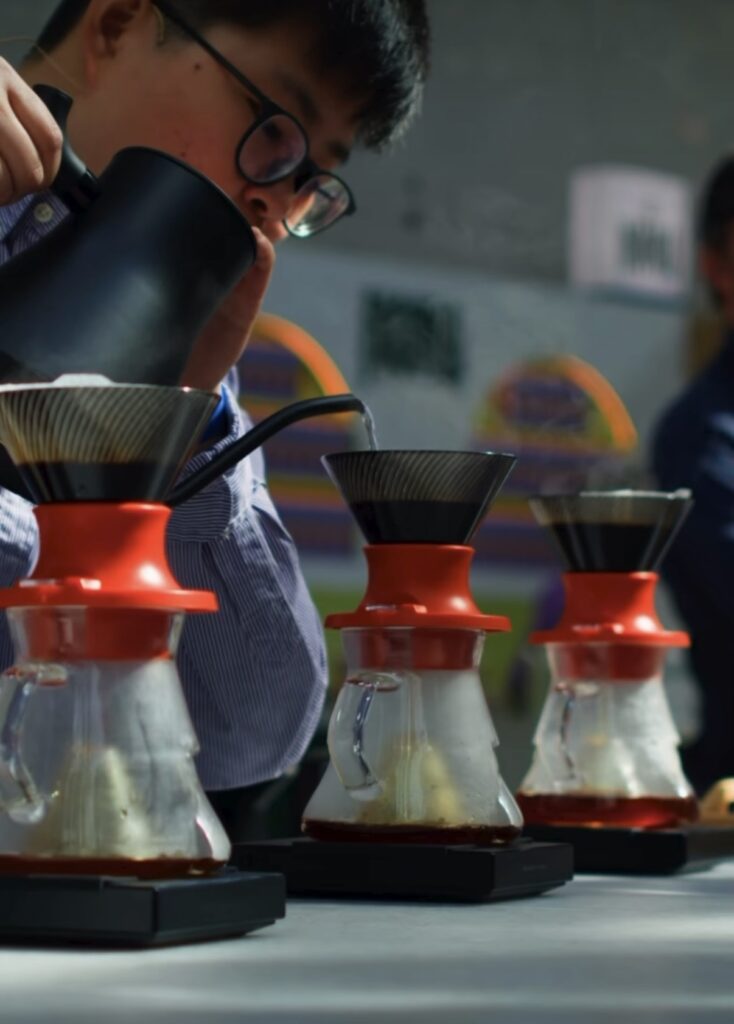
For the presentation, I wanted everything to revolve around the coffee itself. I tried to explain how each decision I made came from the characteristics of that particular coffee, from sourcing the green coffee and choosing the roast level and brewing method, to selecting the brewer, developing the water recipe, and deciding on the water temperature and grind size. Rather than starting with a fixed brewing style and trying to fit the coffee into it, I wanted the coffee to guide my decisions.
And behind all of those decisions were really two things: curiosity and passion for coffee. I wanted to understand the coffee as deeply as I could, and then use everything I had at my disposal to express it in the best way possible.
What message did you convey on stage?
The main message I wanted to convey was really about passion and curiosity. My passion for coffee drives me to explore it, and my curiosity makes me want to understand each coffee more deeply. From there, all my decisions, from sourcing and roasting to brewing, were guided by the coffee itself.
What are the next championships you’d like to compete in?
If I have the opportunity in the future, I’d love to compete in the Roasting Championship and the Tasters Cup. They’re more of a long-term plan for me rather than something I’m necessarily looking to do next year. Beyond that, I’m not sure yet. I’d actually like to spend more time supporting other competitors, especially people who share a similar passion and curiosity about coffee.
For me, I want to compete when I have something I genuinely want to explore or share. If I don’t have a particular purpose or idea that I want to bring to the stage, I’d rather support others than compete just for the sake of competing. If I do compete next year, I’d probably choose something like the Tasters Cup, as it requires less preparation, and otherwise wait until I have something new that I really want to share.
If there were one piece of knowledge about coffee you’d like everyone to know, what would that be?
Happy brewing, happy drinking! I think coffee is ultimately about enjoyment. There’s no single right way to brew or drink coffee, so find what you enjoy and have fun with it.
Where in your city do you find your best inspiration?
Probably a quiet coffee shop. Somewhere that isn’t too busy, where a few people come and go. I can enjoy a coffee and have a chat with people. I really enjoy that kind of relaxed atmosphere. I’m definitely not a big fan of busy coffee shops!
What coffee challenges are you looking forward to? Any new projects or collaborations?
Ratdog was launched in Sheffield in March 2026, and we’ve now moved to London. Since the move, the biggest challenge has been to expand my perspective as a roaster and make Ratdog more widely known. I’m looking forward to doing more outreach, meeting more people in the industry and exploring new opportunities.
At the moment, I have a collaboration with a local coffee shop in London, where I can roast on-site in the evenings. I also help with their coffee QC and occasionally work some barista shifts. It’s a great opportunity, although it’s a temporary arrangement, so I’m also looking to explore what might come next.
I’ve also started developing workshops, including coffee water chemistry and roasting. I’d love to do more of these and help people understand coffee beyond what’s in the cup. At the same time, I’m still exploring how I can bring my chemistry background into coffee in a meaningful way and make that part of what I do.

Quick Fire Questions for Shufan Yang:
Filter coffee or espresso-based?
Filter coffee.
Milk coffee or black coffee?
Milky.
The most underrated coffee drink?
Cold brew
The most underrated coffee brewer?
Dragonfly dripper
How do you make coffee at home?
Espresso and filter coffee.
Hobbies besides coffee?
Swimming and badminton.
No.1 café in Europe that every coffee geek should visit?
I haven’t travelled much around Europe, but if we’re talking about the UK, I’d say Special Guests! The vibe in the shop is so good.
What’s your favourite city to have a specialty coffee tour outside of “your city”, why?
Glasgow! The coffee vibe just feels right! Scottish people are very welcoming!