
We made this article in partnership with VEXiON Cards to share practical insights into the benefits of digital loyalty cards for speciality coffee shops. They work with 400+ small businesses across Europe and their tools are already trusted by many specialty coffee businesses we feature!
Ask most café owners what a loyalty card is for and they will say “a free tenth coffee.” That is the hook, and it works. But it is not the reason the card matters. In hundreds of conversations with café owners across Europe, the two things they light up about are never the free coffee. They are the two things a paper card could never give them: a list of their own guests that they own, and a direct line to reach those guests whenever they want. Everything else follows from those two.
Here is what that actually means, benefit by benefit.
1. You build a customer database that belongs to you
This is the one owners underrate before they see it, and value most after. In our call analysis, “I have no data about my customers” was one of the most common pains owners raised on their own, unprompted: I don’t know who comes in, how often, or what they buy. A cash register counts money. It cannot tell you the name of the guest who came four times last week and then disappeared.
A digital card changes that from the first scan. Every stamp is a timestamped record: who, when, how often, how much. On average a café adds 200 to 400 new members to its own list every month, just from a QR code on the counter. Over a year that is a few thousand real guests you can name, count, and reach, not anonymous receipts.
And the list is genuinely yours. You can see it, filter it, and export it. This is the part owners find hard to believe until we say it plainly: the data is the café’s, not ours. Think about what that means beyond this one shop. If you opened a second location, a roastery, or a completely different business tomorrow, you would already know exactly who your people are and how to reach them. A paper stamp card leaves you with nothing the day you close it. A database is an asset you keep.
In plain terms: the free coffee buys the second visit. The database is what you actually walk away owning.
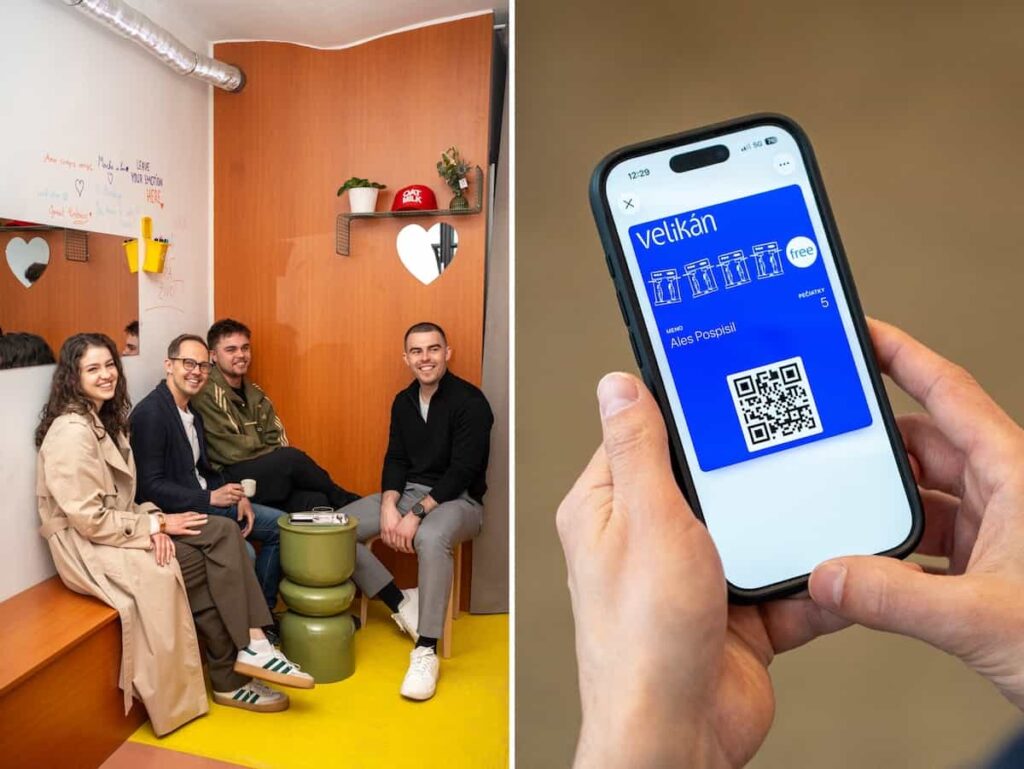
2. A direct channel to those guests, and you learn their behavior over time
Once you have the list, you can talk to it, on your terms. The card sits in the phone’s wallet, and you can send a message straight to the lock screen. Not through an algorithm that decides how many followers see your post, and not through a channel you rent by the message. You choose who gets it, what it says, and when it goes out, and you can set it to run on its own.
That opens the kinds of campaigns a café never had a clean way to run:
- Fill the quiet hours. A rainy Tuesday afternoon, second espresso half price until 5, sent exactly when the bar is empty.
- Catch them walking past. The card can surface on the lock screen when a guest is near the door, turning “walking past” into “walking in.”
- Win back the ones who drift. Someone hasn’t been in for a month, and a friendly nudge goes out automatically.
- Announce what they actually care about. A new single origin, a roaster collaboration, a seasonal drink, to the exact people who would come for it.
The deeper benefit is what you learn. Because every visit is recorded, patterns appear that were invisible before. Coffee runs on a weekly rhythm; in our data a regular comes back about once every 7 days, so you learn when to reach them and when to leave them alone. You see your real peak hours, which reward actually gets redeemed, and whether a campaign moved the day or not. The card gets smarter the longer it runs, and so do your decisions. As owners put it to us, it becomes a marketing tool you control, not another bill.

One honest rule we always share: keep promotional messages to a few a month. The moment a guest mutes your card, that channel is gone. Used with restraint, it is the most valuable line you have to your regulars.
3. It turns first-timers into regulars
The whole game is the second visit. A guest who comes back once tends to keep coming: in our data, roughly 7 in 10 return a third time, and it climbs from there. The card’s real job is to make that second visit easy and give a reason for it. And the economics are on your side, Square’s data shows a coffee shop’s regulars are worth about 6 times the yearly revenue of one-time visitors, and keeping a customer costs roughly 5 to 7 times less than winning a new one. Giving away the tenth coffee is not a loss; about 4 in 5 guests keep using the card after they redeem, so the reward buys the next visit.
4. No app, no hardware, no plastic
This is the thing owners are most relieved by in a live demo. There is no app for the guest to download; the card goes into Apple Wallet or Google Wallet, right next to their bank card. Signup takes under 40 seconds at the counter, the guest does it themselves, and staff add a stamp with the phone or tablet the café already has. The whole system can be live within 24 hours, with nothing to print and nothing to reprint every few months.
5. It is more than a stamp card
The same wallet can hold more than stamps. A digital gift card brings in cash before the coffee and usually a brand-new guest along with it. Prepaid coffee passes let a regular buy a month or a block of visits upfront. Tiered cards grow a guest’s discount as they spend, instead of marking everything down from day one. Each is a setting you switch on when it fits your shop, on the same card your guests already have.
The takeaway
The free coffee is the hook that gets the card into the phone. But what a café is really building is an owned list of its guests and a direct, free way to reach them, plus the running record of how they behave. That is the part a paper card, a cash register, or a social feed could never give you. It is also the part that keeps working long after any single promotion ends.