
In 2012, a teenager in a Slovak dormitory was watching latte art videos on YouTube and deciding, more or less on the spot, that he wanted to learn how to do that. Fourteen years later, Adrián Krišák works at Kolektiv, runs his own hardwood furniture workshop, Balamuta Studio, and is putting the finishing touches on a new edition of what became the first espresso book ever published in Slovak.
At 23, with no publisher and no budget beyond his own savings, he wrote and sold a comprehensive guide to espresso in a country where nothing like it existed. Two more followed. His justification: “I was 23, and no one told me not to do it.” That instinct, to make first and question later, is probably the most honest summary of how Adrián moves through both coffee and woodworking: slowly, curiously, and without much interest in doing things the expected way.
Adrián, what is your first memory with coffee?
Back in 2012, I was relaxing on the dormitory bed watching latte art videos on YouTube. We immediately wanted to achieve that skill.
What inspired you to pursue a career in the coffee industry, and how did you get started?
Internet, haha. My friends and I from the Hotel Academy were one of many early adopters in Slovakia. It was a very niche topic, and we had a lot of fun talking about it, trying and failing. My coffee career was just a coincidence of my previous intention to become a chef. The third wave arrived just at the right time when I was finishing high school.
Tell us a bit about your work and current projects.
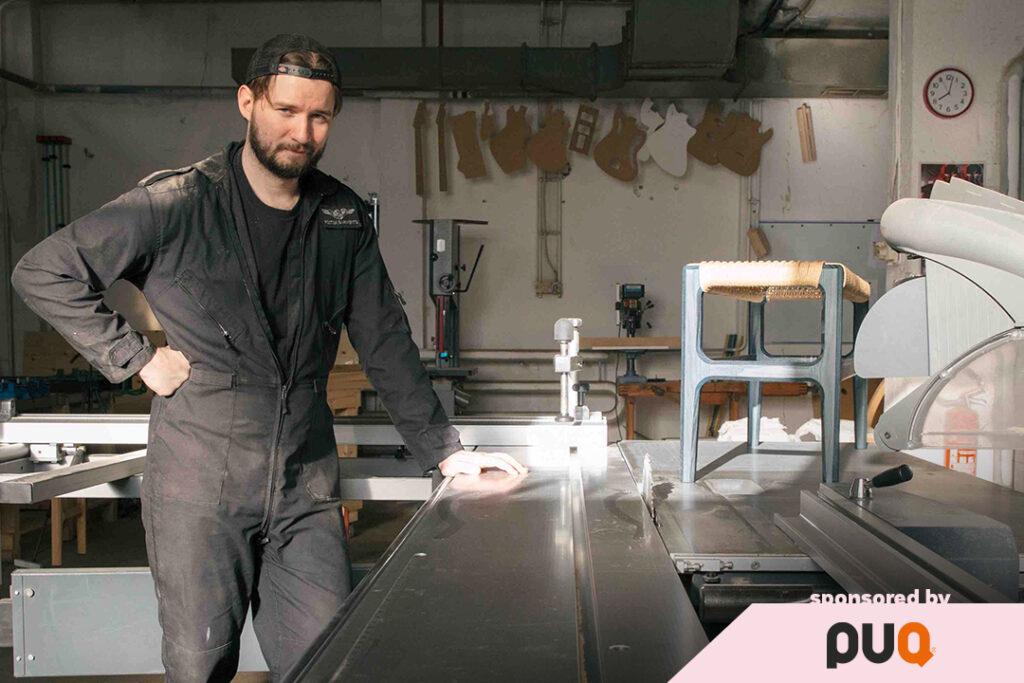
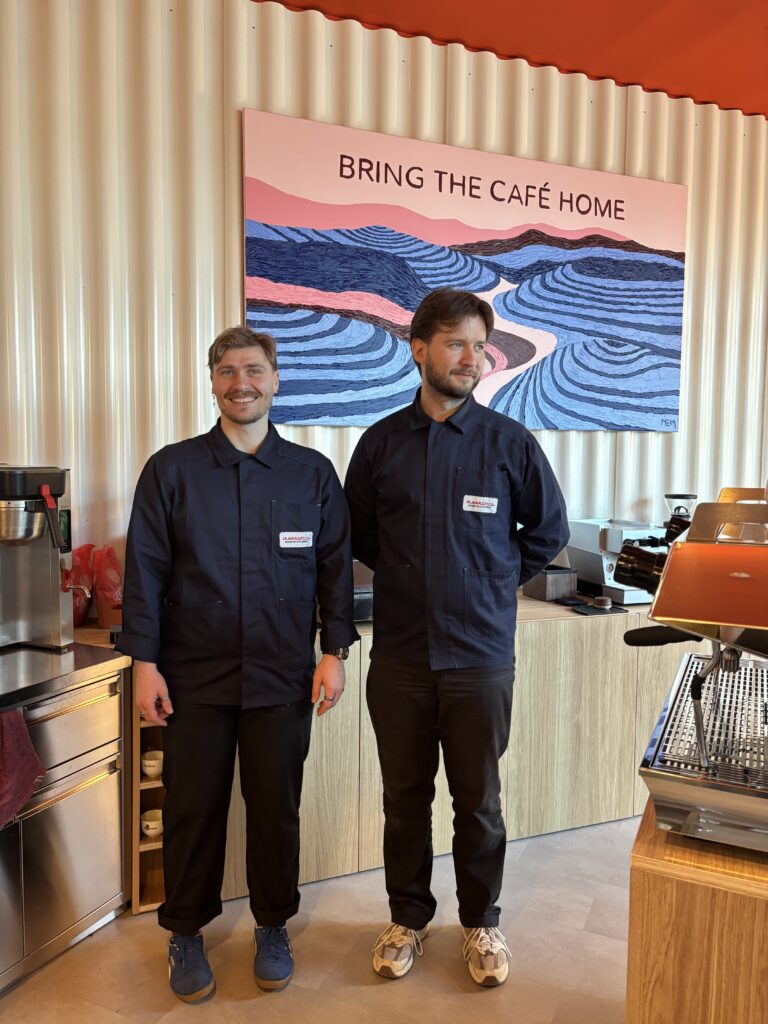
I own a small woodworking business, Balamuta Studio in Bratislava, and mostly build hardwood chairs, beds and bespoke furniture. You wouldn’t expect that, would you? I also work at Kolektiv. There you can find me brewing coffee and telling you why our machines are some of the best espresso machines ever made. Furthermore, later this year, we plan to publish a new version of the book we made 7 years ago. It’s gonna be updated, something might change, and some topics will be added. Now it’s gonna be the work of 4 people. That’s a huge difference, and it adds value for me.
How do you stay motivated and inspired to keep improving your coffee-making skills?
In the modern, fast-changing world, it’s necessary to stay curious. Basic principles hardly ever change. There’s no reason for that. Some people just love routine, and it brings them joy and peace. That’s absolutely okay. I hate non-challenging routines. You don’t need to be the best. Once you stop trying new things and learn, everyone around you becomes better than you. And it’s always good to be part of / meet a group of people that share the same interests and energy. For me, huge inspiration comes from my colleagues. Each of them is unique and has special abilities that I can get better at.
You wrote the first espresso book in Slovak at just 23, after noticing there was no comprehensive coffee publication in the country. And then 2 more books followed. Can you let us know more about them?
I was 23, and no one told me not to do it. It worked and helped a few people to understand basic principles better. I think of it as a limited project that stays in the past. I want to encourage everyone to make the first and think about why it can’t be done after you’ve tried. We as Europeans are the best at complaining, regulating and saying why something can’t be done.
Even in such a problematic country as Slovakia surely is, you can create something nice and valuable. It was published by me without a big label. Print was covered by my own personal savings. Each of them sold out, so I think luck was on my side at the time. My personal favourite topic is water chemistry. I did many masterclasses around Slovakia and the Czech Republic, which gave me even better knowledge of the situation in major cities.
The first print run had a binding error – 50 copies went out upside down, and people kept them as a “limited edition”. What did that challenge teach you about letting go of perfection?
Make it till you make it, I suppose.
You said, “The more you know, the more questions you have”. After three books, do you feel closer to answers, or beautifully deeper into the questions?
There are always more questions to be answered. Complex understanding is less sexy than a simple answer, but I’m not here for a fast dopamine hit. I surely have a better understanding. I surely have more questions. The only change is that now there is more time for them to be answered.
Is there a fourth book living somewhere in your head right now?
There’s a lot of sawdust in my head. I said what I wanted to say. But as I mentioned above, we plan to publish a new version of all three books in one single book later this year.
What are some common misconceptions about our industry that you’ve encountered, and how do you address them?
We work at hospitality companies. People are different, and some of them are rude. It’s okay to stand for yourself or colleagues as long as you’re not the rudest person in the room. Being a barista is necessary hard work for a better understanding of how the coffee business works, but you can’t earn good money. There’s absolutely no reason to be paid the same as senior IT professionals. Save money to start your own projects if you want to earn more than average.
If there were one piece of knowledge about coffee you’d like everyone to know, what would that be?
Check the levels of bicarbonates in filtered water when brewing specialty coffee.
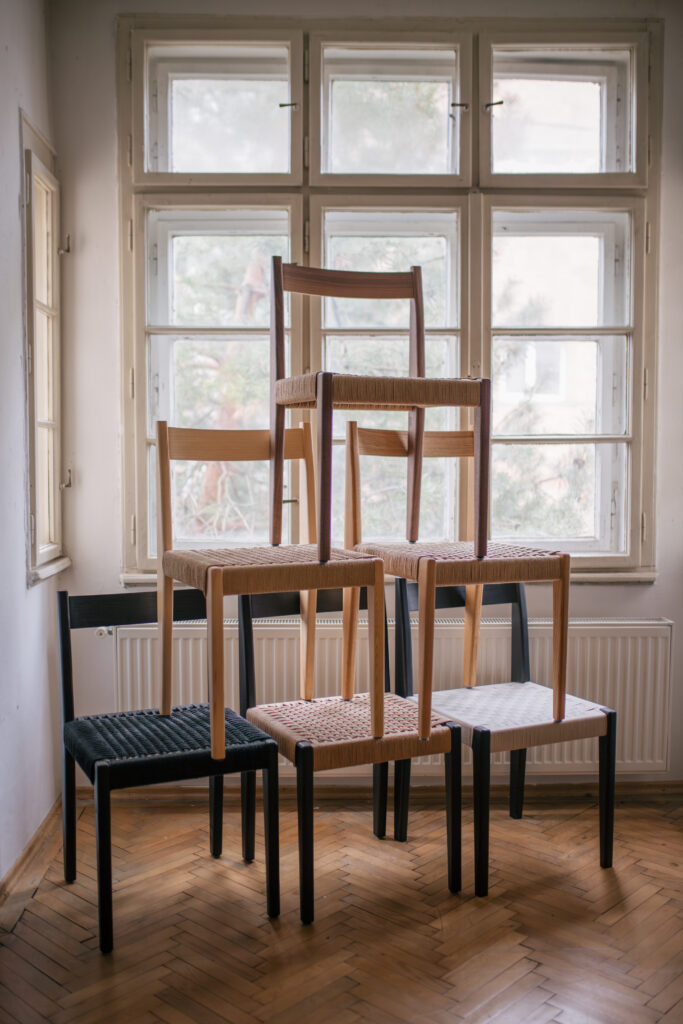
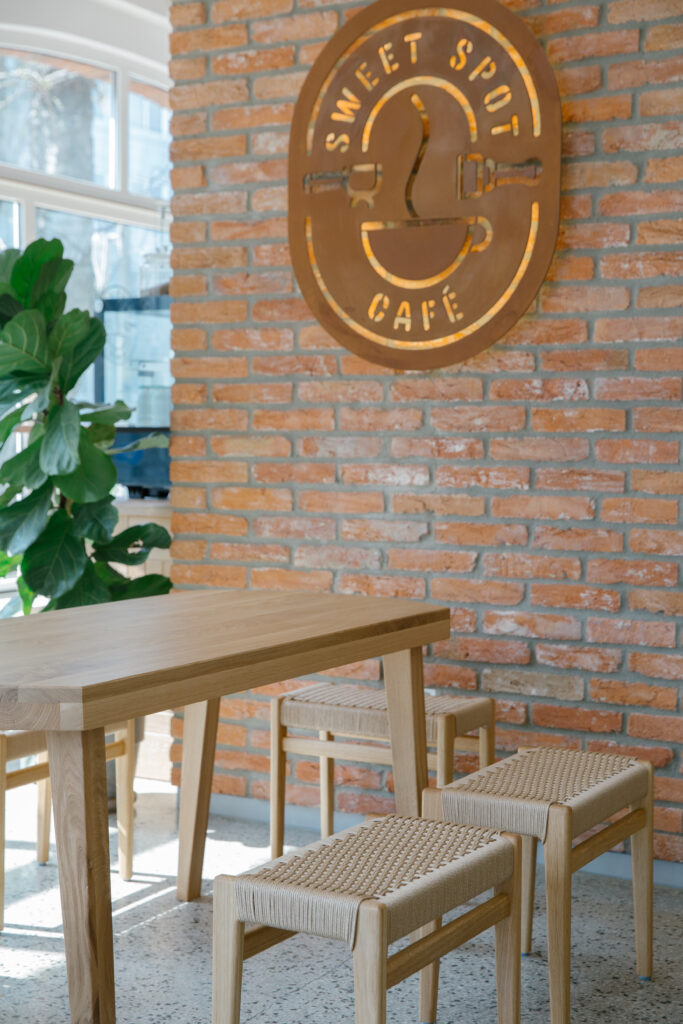
Coffee and furniture seem like two completely different worlds, but are they really? What’s the shared obsession underneath both? Tell us a bit about Balamuta.
They work well together. Both are nerdy and hard work. Results should make someone happy. And since I have almost 14 years of experience in coffee, I specialise in gastronomy-related woodworking. I love to build furniture for the cafes and see people use it as they meet and have a good time. Coffee shops are loud, fast-pulsing places. Woodworking is louder, but with less talking and more thinking before cutting. It takes me 30 seconds to brew espresso, but more than 30 hours to build 4 chairs. Underneath both is the passionate person with bad sleeping habits.
Where in your city do you find your best inspiration?
My future wife inspires me. The city makes me ask new questions.
What coffee challenges are you looking forward to? Any new projects or collaborations?
No expectations, happy when surprises happen.


Quick Fire Questions for Adrián Krišák:
Filter coffee or espresso-based?
Yes.
Milk coffee or black coffee?
Black.
The most underrated coffee drink?
Pumpkin spice latte when it rains.
The most underrated coffee brewer?
Plastic V60.
How do you make coffee at home?
I don’t make coffee at home.
No.1 café in Europe that every coffee geek should visit?
One where you can meet the owner brewing coffee.
What’s your dream place to have a coffee tour?
I simply like Wrocław.