
Ken’s relationship with coffee did not begin with admiration, but with a trend. What started as a visual ritual, a cup as part of the scene, slowly turned into curiosity during his university years in Australia, where specialty coffee revealed itself as something worth paying attention to. That moment shifted his focus entirely and set him on a path he has followed with discipline shaped by years of competitive tennis.
Today, Ken is based in Amsterdam, where he balances several roles across the coffee chain. He is the founder of Re-Co, a young micro-roastery built around ideas of reuse, collaboration, and long-term sustainability. Alongside growing his own brand, he works as a freelance barista and roaster and supports quality control at a green coffee import company, keeping him closely connected to both origin and cup.
Competition has been a key part of Ken´s development. After years on the Brewers Cup stage, Ken placed fourth at the Dutch Barista Championship, a result that pushed him both technically and emotionally. His perspective is clear-eyed and honest, grounded in the belief that coffee deserves to be treated as a valuable product, and that curiosity, effort, and responsibility will shape its future.
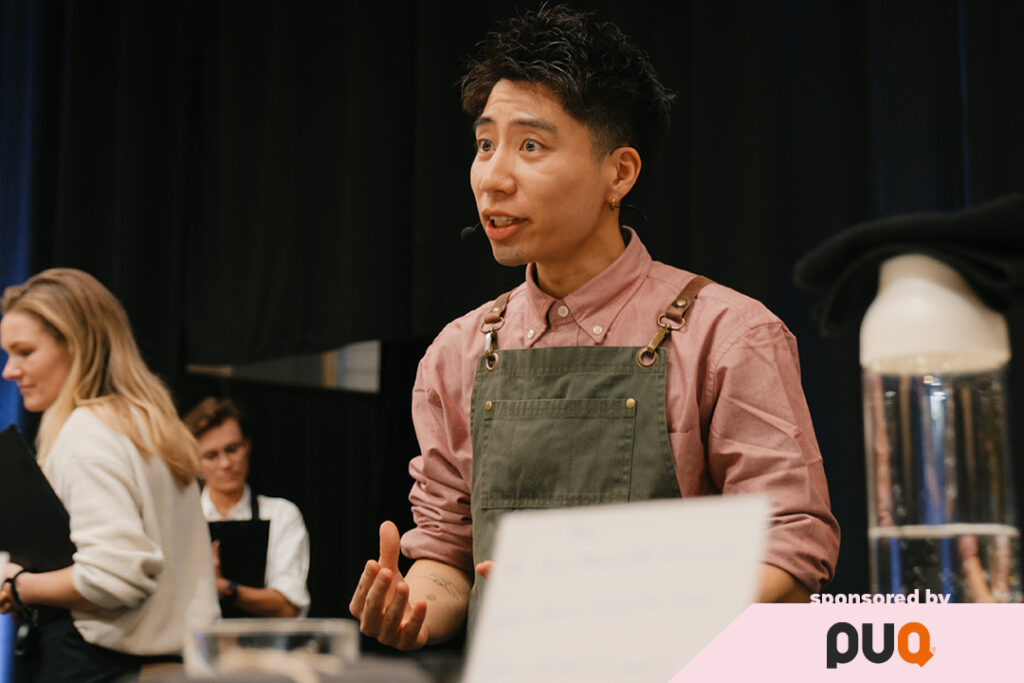
Ken, what is your first memory with coffee?
My first memory of coffee was seeing it as a hipster fashion statement, a way to show off. I never disliked the taste, but I perceived coffee more as a fashion accessory than a beverage. Holding a cup of coffee under the sun, sitting on a terrace with sunglasses on, felt like the ideal scene. At that time, coffee was more a part of my outfit than something I truly enjoyed drinking.
What inspired you to pursue a career in the coffee industry, and how did you get started? What did you do before coffee?
It’s a classic story. During university, I wasn’t sure about my career path and didn’t feel connected to what I was studying. However, the coffee I had on campus sparked something unexpected. It was my first experience with specialty coffee, and I still remember how good it was, and this was in Australia.
That moment of curiosity led me to want to understand coffee beyond just drinking it, even more than what I was studying at the time. I began taking latte art workshops and reading books about coffee, which drew me deeper into the industry. Over time, I had a strong instinct that coffee was something I could dedicate my life to as a career.
Before coffee, I played tennis for 16 years. That athletic background gave me a persistent, disciplined mindset; once I discover something I truly enjoy, I commit to it fully. That same mindset carried me into coffee, where it has become my career to this day.
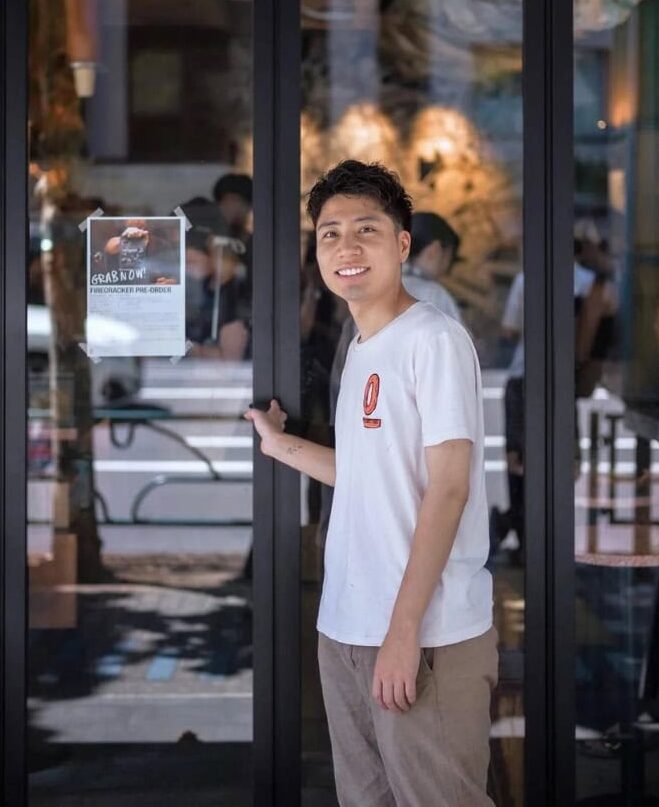
Tell us a bit about your work and projects.
I recently started my own brand, Re-Co, a micro-roastery based in Amsterdam. While this is not the final goal, it is an important step. Re-Co represents sustainably shared craft – combining the prefix “Re” (reunion, recreate, recycle) and “Co” (coexist, common, cowork). The vision is to collaborate directly with producers, develop our own processing methods, reuse coffee cherries to create new products, and eventually produce coffee within our own supply chain.
Right now, the focus is on building brand recognition and sharing the story behind the coffee we represent, as well as the farmers we aim to work with in a truly sustainable way. Alongside running my own brand, I freelance as a barista and roaster two days a week, and I also support quality control at a green bean import company for about one and a half days a week. Essentially, I’m involved in coffee in every way I can be – learning, contributing, and growing within the industry.
What kind of experience do you want your customers to have when they try your coffee?
I want to spark curiosity in my customers. When someone asks questions about the coffee, it tells me it has already made a positive impression. That curiosity helps build community and encourages a deeper appreciation for the cup they’re drinking.
On a personal level, I also love seeing people’s eyebrows lift when they take their first sip, and that reaction is a sign to me that they’re truly enjoying the coffee.
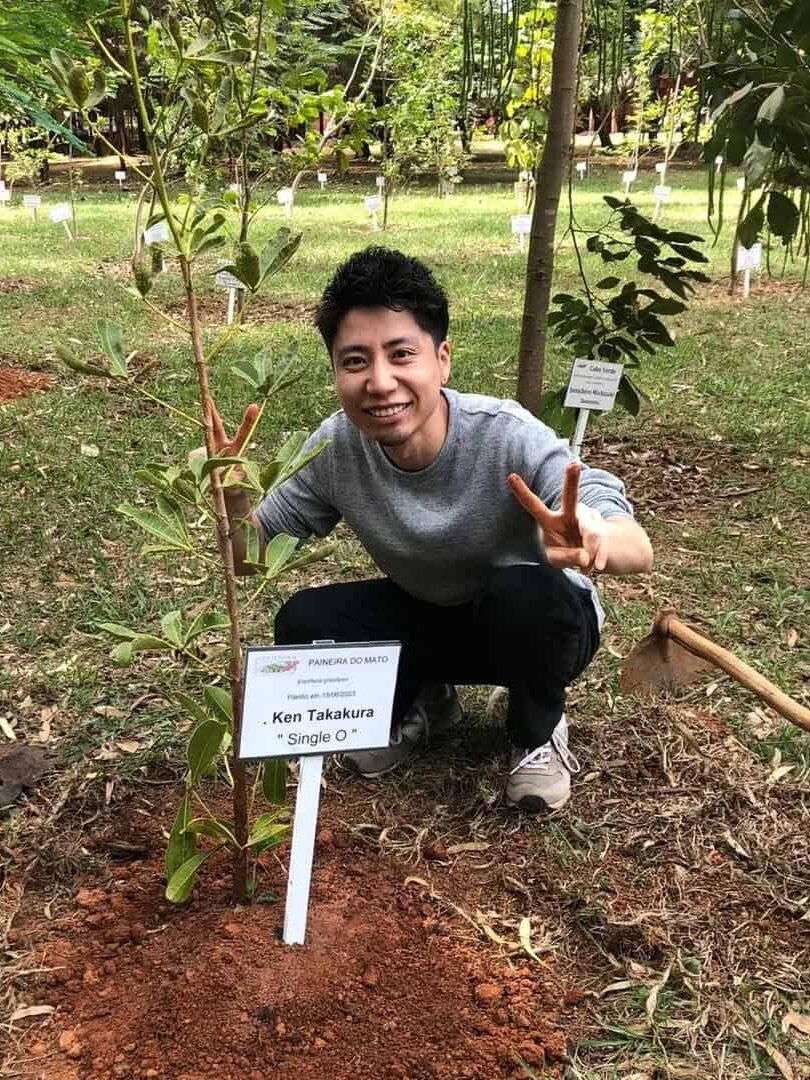
What is your favourite part of the day at work, and why?
My favourite part of the day is sharing coffee with others. That’s where I find inspiration from different perspectives; someone might brew the same coffee in a way I wouldn’t normally use, or share news and ideas from the coffee world. It creates a shared space for open communication and allows me to keep learning while enjoying what I do.
Most importantly, it’s not just about talking coffee. Joking around and engaging with one another through coffee really matters to me. It reminds me of school days, when connecting with people felt natural. As adults, it can be difficult to interact because everyone has their own busy lives, but sharing coffee at work makes those connections possible again.
How do you stay motivated and inspired to keep improving your coffee-making skills?
Appreciation and continuous improvement are what keep me motivated in coffee. I deeply appreciate how coffee brightened my life when I felt lost and unsure about my direction. Because of that experience, I want coffee to remain a part of our planet for as long as possible. As the industry faces increasing risks and challenges, I am constantly looking for ways to contribute positively and help ensure its long-term sustainability.
At the same time, coffee is an incredibly innovative and ever-evolving field. There are still many myths and challenges to address from production and varietals to roasting, brewing, and flavour development. The industry’s constant evolution, along with opportunities to educate, engage, and encourage people to be involved as a community, pushes me to keep improving and stay deeply connected to coffee.
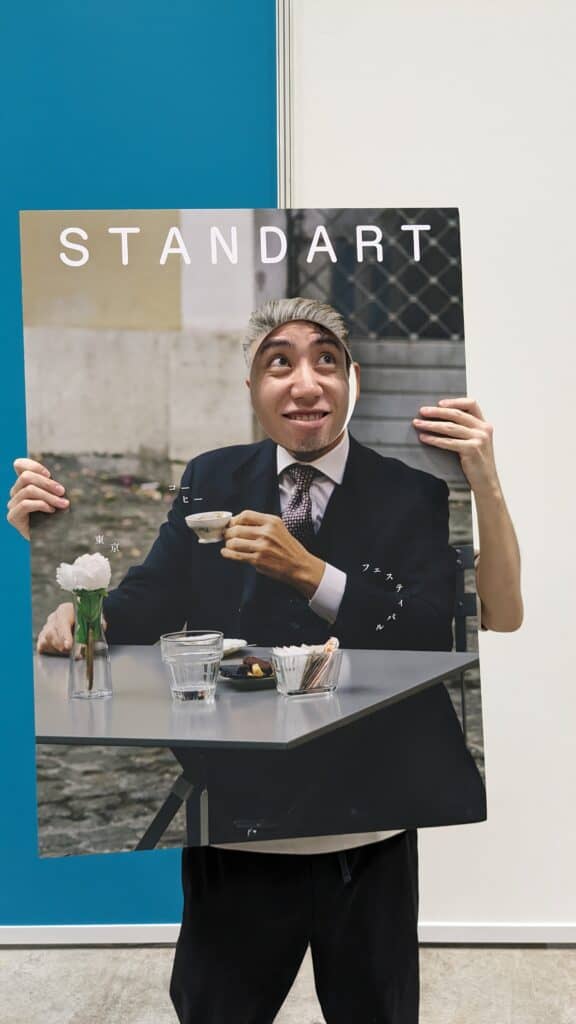
What are some common misconceptions about our industry that you’ve encountered, and how do you address them?
One of the most common misconceptions I hear is that coffee is too expensive and should be cheaper. In my opinion, coffee can and should be a premium product because of the immense amount of labour involved throughout the entire supply chain. While many cafés and roasteries continue to open, I don’t believe we necessarily need more of them. What we need is a better understanding of how to run sustainable businesses and how to treat coffee as a valuable product. For decades, coffee has been underpriced, and what we received in the past was actually too cheap. Moving forward, coffee deserves to be positioned as a luxury product. That said, the industry should never stop striving for improvement, innovation, and responsibility.
What are the current trends in cafes in the Netherlands? Do they differ from the trends you encountered in Australia?
I’m not sure if it’s a trend, but in the Netherlands, café equipment, especially grinders, tends to be quite similar across many cafés. In Australia, particularly in cities like Sydney, you often see a wider variety of machines, grinders, and brewing equipment depending on the café. This creates a stronger sense of individuality, as each café develops its own character through the tools it chooses.
Another notable trend in Australia is the popularity of signature drinks. Customers are increasingly looking for more than just a standard coffee and are willing to pay extra for thoughtfully crafted, unique beverages that showcase creativity and craftsmanship.
I would love to see this become more common in the Netherlands as well. It may take time, but offering non-alcoholic signature coffee drinks. Perhaps seasonally, like during summer, would be a great way to expand the café experience and encourage more creativity in the coffee scene.
You have some great achievements in championships. Can you tell us more about them?
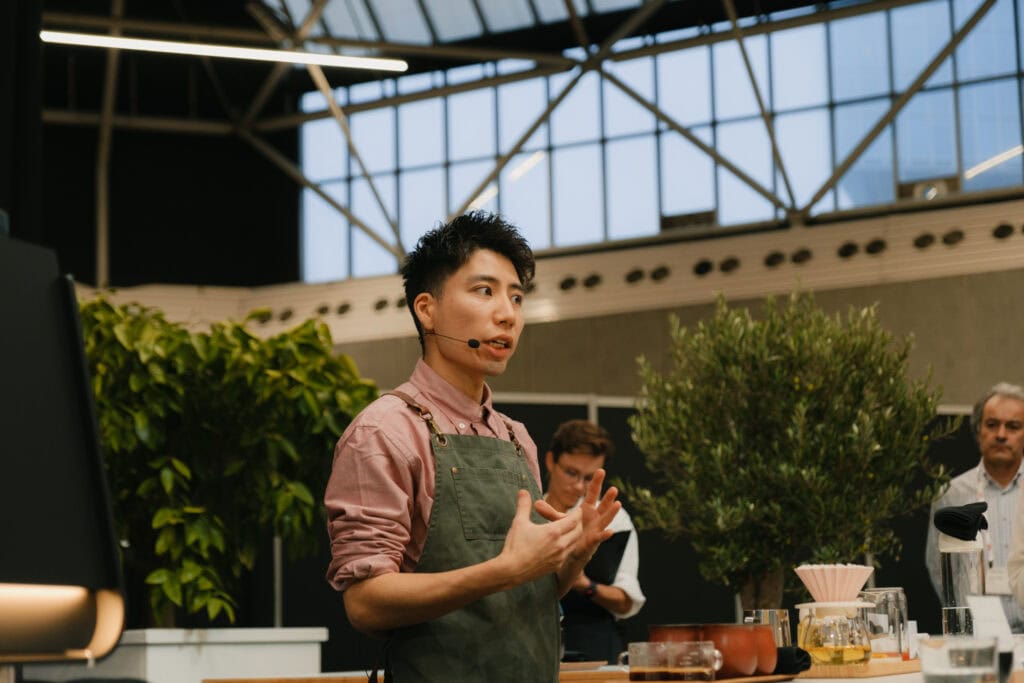
Not sure if it was a massive achievement, but I have competed for the past 5 years, and I recently had the privilege of placing 4th in the Dutch Barista Championship. In previous years, I competed in the Brewers Cup, and this Barista Championship was my first attempt at that discipline. It was a significant shift for me, as I had always competed with a focus on filter coffee rather than espresso.
The Barista Championship demanded a completely different skill set: constant multitasking, pulling espresso shots, steaming milk, maintaining a clean and organised station, and moving efficiently under pressure. The level of dedication and sacrifice I put into this competition was unlike anything I had experienced before. After the competition, I became very emotional and cried for the first time in a championship. Those tears came not only from the result, but also from disappointment in myself. I felt I wasn’t able to serve the judges the best espresso I knew I was capable of delivering, even though it had been consistently excellent throughout my practice. That feeling came more from my identity as a barista serving guests than as a competitor.
As for what’s next, I’m honestly not entirely sure. I experienced some burnout in January, and the next national championship is approaching very soon. I would like to return to the Brewers Cup, which was the competition I had been waiting nearly two years to be eligible for in the Netherlands. That said, there’s also a possibility I’ll compete in the Barista Championship again. This time aiming to return as a stronger and more developed version of myself.
What, in your opinion, is the most important thing to have in mind when you start to compete in coffee championships?
“Try before being shy”. It’s more straightforward than people often think. There’s always a way to figure things out when it comes to competition. Coffee championships aren’t like the Olympics, where physical ability makes the difference, or a singing contest, where raw talent creates the biggest impact. In coffee competitions, effort and dedication genuinely lead to results.
Our industry is also very open and supportive. Most people are willing to share advice, insights, and guidance. It’s important to take advantage of that accessibility and seek feedback from those who have competed before, ask questions, and use the wealth of information available online. There are plenty of opportunities to improve, but the most important thing is to actively try, reflect, and identify what you need for your own growth and improvement.
If there were one piece of knowledge about coffee you’d like everyone to know, what would that be?
I would like to raise awareness about what is currently happening in coffee production around the world. Coffee is a highly volatile commodity and is increasingly at risk. What we take for granted today may not always be available in the future. Climate change, along with a declining number of producers at origin, is disrupting the balance between supply and demand and accelerating the risk of losing coffee as part of our daily lives.

Coffee prices will continue to rise in the future. Rather than complaining, we should appreciate what we have now. Many people within the industry are working hard to add value to coffee and to address these challenges. I don’t expect consumers to understand every detail fully, but I hope they can develop a better perspective on why prices are increasing. At the same time, I hope those within the industry continue to support and reinforce the value of coffee, rather than ignoring the reality of what is happening.
What are your passions and hobbies besides coffee?
I love food and travelling, especially discovering different cuisines and how they connect to culture and history. Food gives me joy and is really important in my life. I enjoy all aspects of food, from cooking to exploring new flavours. This also inspires me when it comes to makinga signature drink for my competition.
Where in Amsterdam do you find your best inspiration?
find my best inspiration during my bike ride to work. That’s when I’m able to focus and reflect, whether on coffee or my personal life. Inspiration often comes when memories and ideas suddenly connect, or sometimes it appears completely out of nowhere.
What coffee challenges are you looking forward to?
In the long run, I want to focus on coffee production and supporting producers, especially as we face a growing lack of supply in the global coffee industry. For now, my main goal is to add as much value to coffee as possible. This includes working closely with producers to improve processing and drying methods at origin, as well as developing byproducts from coffee cherries to reduce waste and create additional value.
In the near future, I’ll be hosting a booth under my brand Re-Co at the Amsterdam Coffee Festival, where people will be able to try our coffee publicly for the first time. I would love to continue participating in coffee festivals around the world, connecting with people who share similar values and building a positive, global coffee community together.

Quick Fire Questions for Ken Takakura:
Filter coffee or espresso-based?
Filter coffee.
Milk coffee or black coffee?
Black.
The most underrated coffee drink?
Mocha or cappuccino with chocolate on top.
Favourite piece of barista equipment?
Cloth.
How do you make coffee at home?
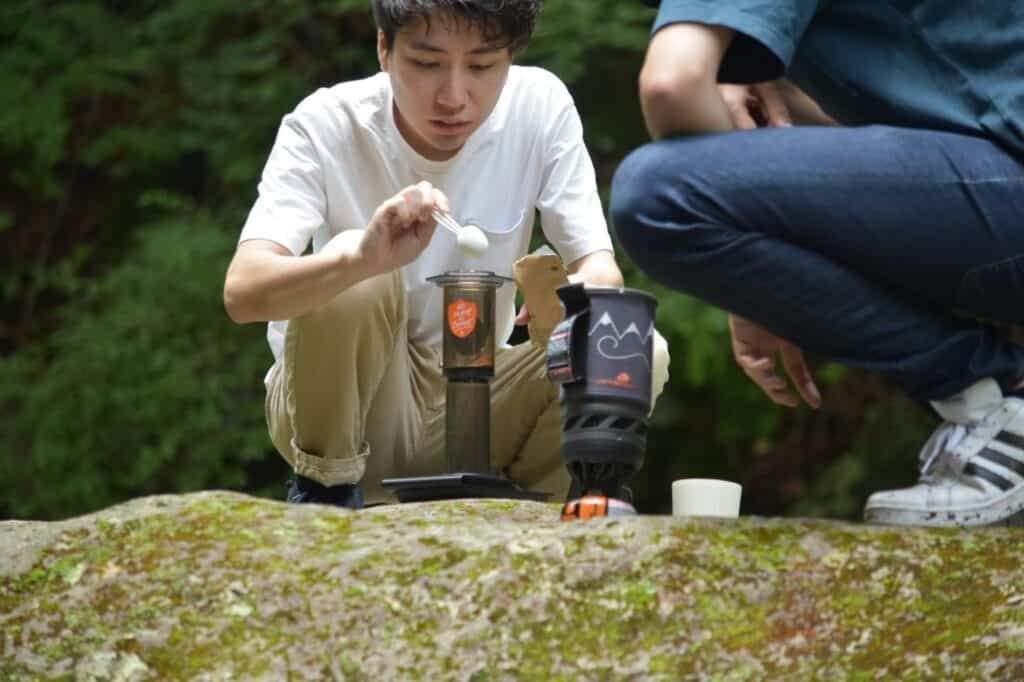
Whatever brew kit is near me or what I can find!
No.1 café in Europe that every coffee geek should visit?
Fuku by Friedhats, Amsterdam.
What’s your dream place to have a coffee tour?
Taipei or Melbourne.