
Ivette Vera Loor entered her first coffee competition before she really knew how to make coffee. She was a hospitality student in Barcelona, barely 17, still working on her shyness, and her teachers pushed her onto a competition stage as a way to build confidence. She finished as the runner-up! The trophy came before the expertise, and she has spent the sixteen years since making sure the expertise caught up. That process, of learning with humility, sitting comfortably with not knowing, and finding mentors who demanded more than felt comfortable, is the thread that runs through everything she has built.
Today, Ivette is the Head of Education and Quality Control at Nomad Coffee in Barcelona, a Q Grader, an SCA Trainer, and co-owner behind Híbrid Café, a neighbourhood café rooted in the community of Esplugues de Llobregat where she and her partner Pau live. Fine dining kitchens, cocktail bars, a coffee shop built inside a van: her path has been shaped as much by the environments she passed through as by the people she met inside them.
What comes through most strongly in talking to Ivette is that she has never separated coffee from hospitality, and never treated hospitality as secondary. For her, the most memorable thing about a great cup is rarely the cup itself. It is the person who handed it to you and made you feel, however briefly, completely at home.
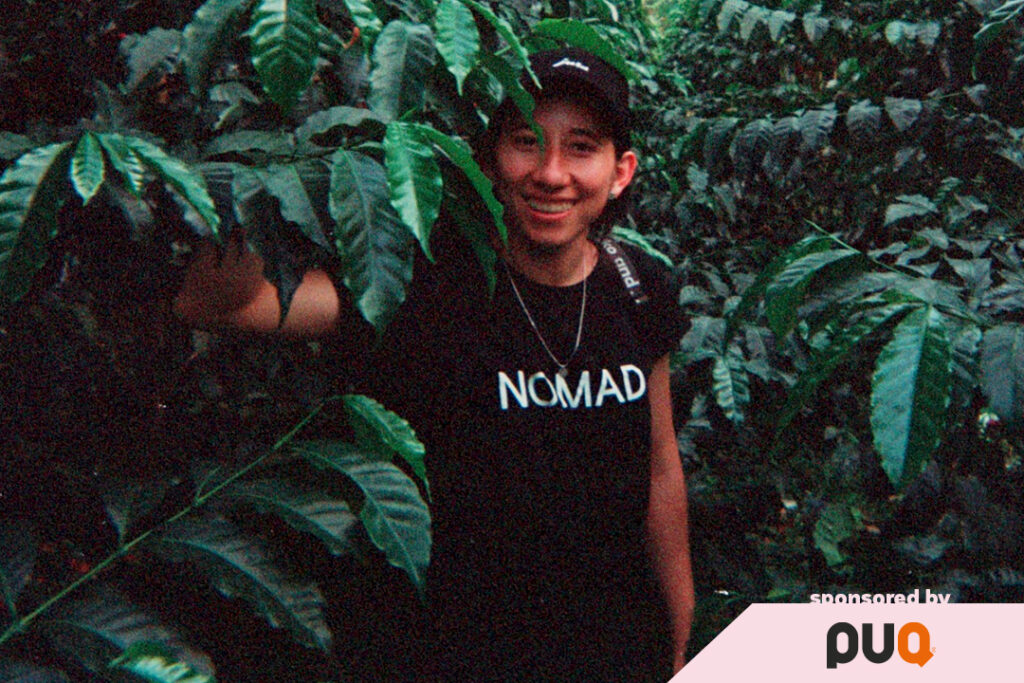
Ivette, what is your first memory with coffee?
My earliest coffee memory goes back to when I was a child. I hated drinking milk, so my grandmother used to add coffee to it to make it more appealing. It’s a very special memory, tied to a coffee aroma that’s quite different from what I enjoy today. Every now and then, though, I love smelling it again because it instantly takes me back to that moment.
What inspired you to work in the coffee industry, and how did you get started?
When I was 17, I decided to study Hospitality. One of my aunts, whom I’ve always admired, managed both a restaurant and a hotel. I always imagined my career would be in hotel management or event planning, so studying hospitality felt like the natural path. My family was surprised that hospitality could even be studied as a degree. When I later told them I wanted to get into coffee, they were even more shocked.
One of our classes was about specialty coffee, and that’s where I first discovered this world. One day, my teachers encouraged me to enter a hospitality service competition, where participants are evaluated on a wide range of front-of-house skills, from peeling fruit to filleting fish. I had solid technical skills, but I was incredibly shy and found it difficult to speak in front of people.
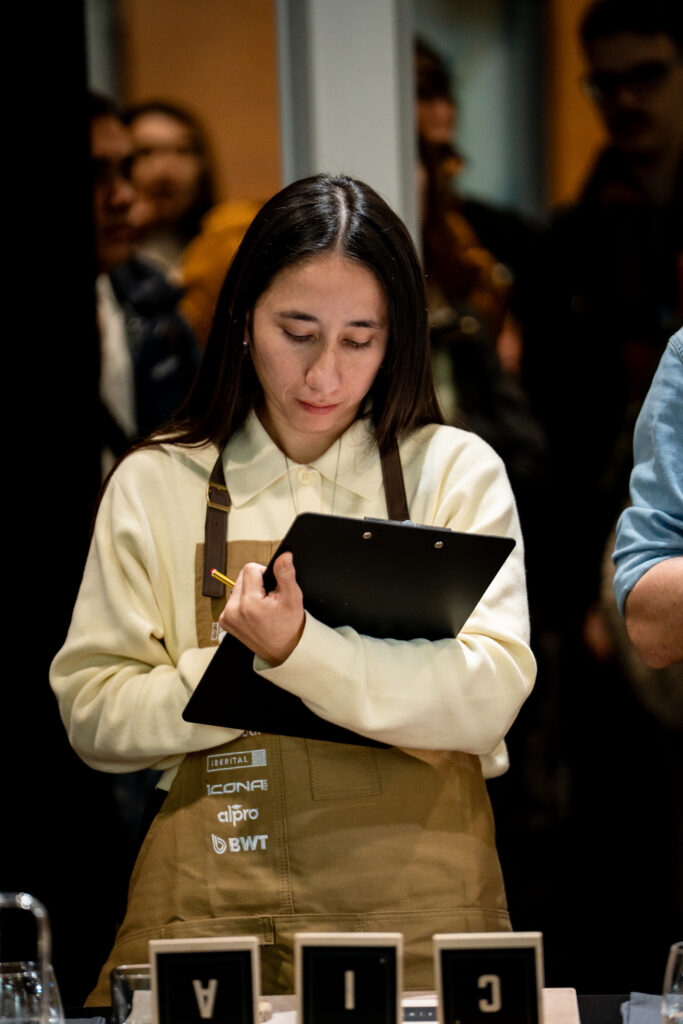
To help me overcome those nerves, my teachers suggested I first compete in the Fórum Cultural del Café Championship, a competition very similar to the SCA Barista Championship. The routine consisted of a 15-minute presentation, during which we had to prepare four espressos, four milk beverages, and four signature drinks. I did well in the hospitality service competition, but the real surprise came at the coffee championship, where I finished as the runner-up for both Barcelona and Catalonia. That was the moment I realised, “I really enjoy this… and maybe I’m actually good at it.”
The truth is that, despite the result, I knew very little about coffee. I was only the beginning. But that experience gave me the confidence I had to believe I could pursue this path, and it motivated me to start learning with real purpose.
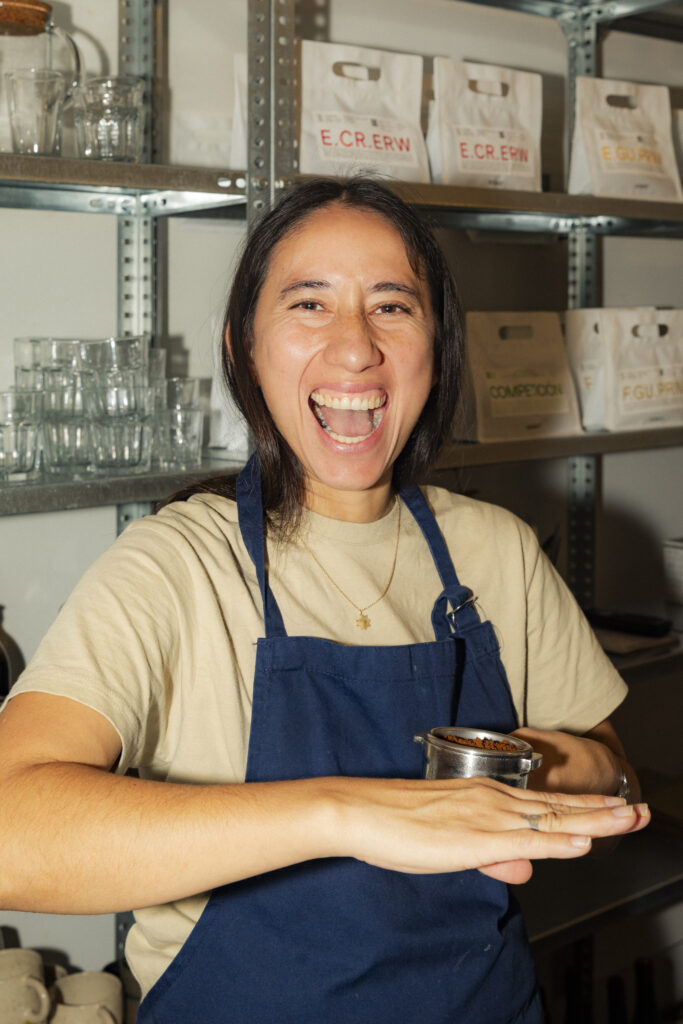
Can you walk us through your path in coffee so far?
My career path has been quite diverse and, in many ways, different from the usual journey in the coffee industry. Most people enter competitions after building years of experience in coffee. I did the opposite.
Looking back, I think that decision helped me enormously, but it also came with certain expectations. In my experience, winning a competition doesn’t automatically make you an expert in coffee. It simply means you’ve prepared exceptionally well for that particular moment. For a long time, I felt I had to prove that I deserved the result I had achieved and that I truly had the knowledge to back it up. The truth is that I still had so much to learn – and I still do. When I was younger, I found it difficult to admit that I didn’t know something. Saying “I don’t know” felt like a weakness. Over time, I’ve realised it’s actually one of the best ways to keep growing. Today, I’m completely comfortable acknowledging when there’s something I don’t know and embracing the opportunity to learn.
After the competition, I spent three years working in a café, eventually becoming the manager. It was there that I learned how to maintain quality while working in a fast-paced, high-volume environment, always striving to serve the best coffee possible, even during the busiest shifts. Later, I took part in several coffee events, including IBCF, a wonderful coffee festival that used to take place in Barcelona. I also worked at Sky Coffee, a coffee shop built inside a van.
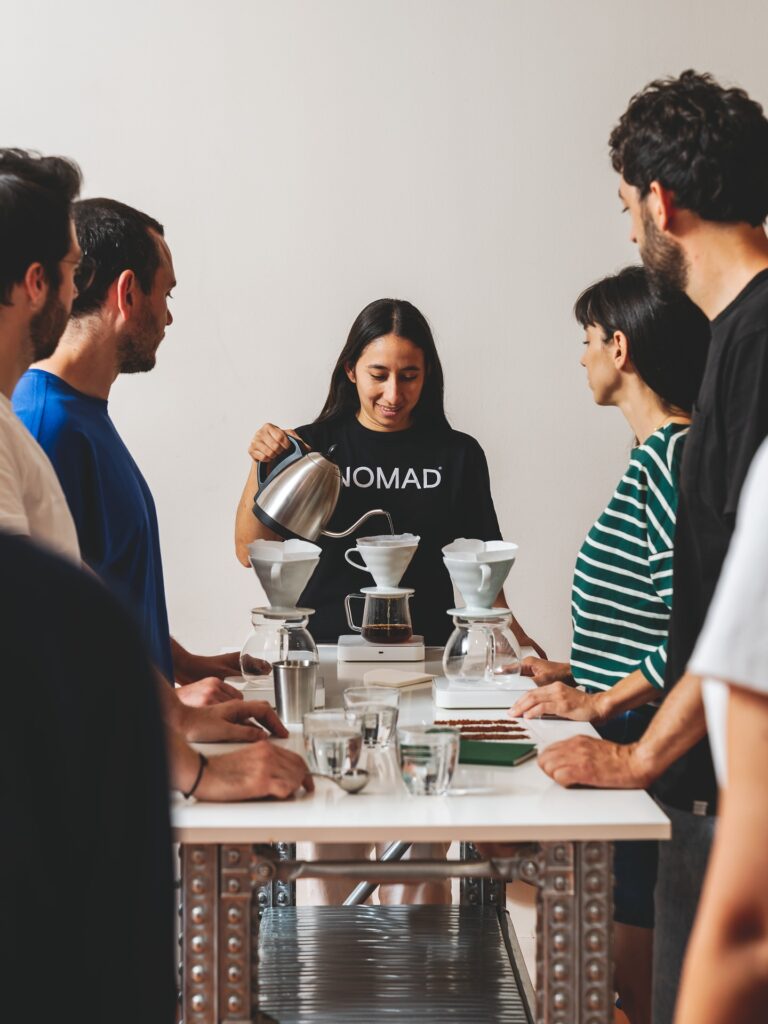
Finally, in 2017, I joined Nomad Coffee, where I’ve now been for almost ten years. It has been an incredibly important part of my professional and personal growth. It’s where I’ve been able to deepen my understanding of coffee, develop my own perspective, build confidence, and find a real sense of fulfilment in my work. Today, I feel valued, happy, and truly at home in what I do.
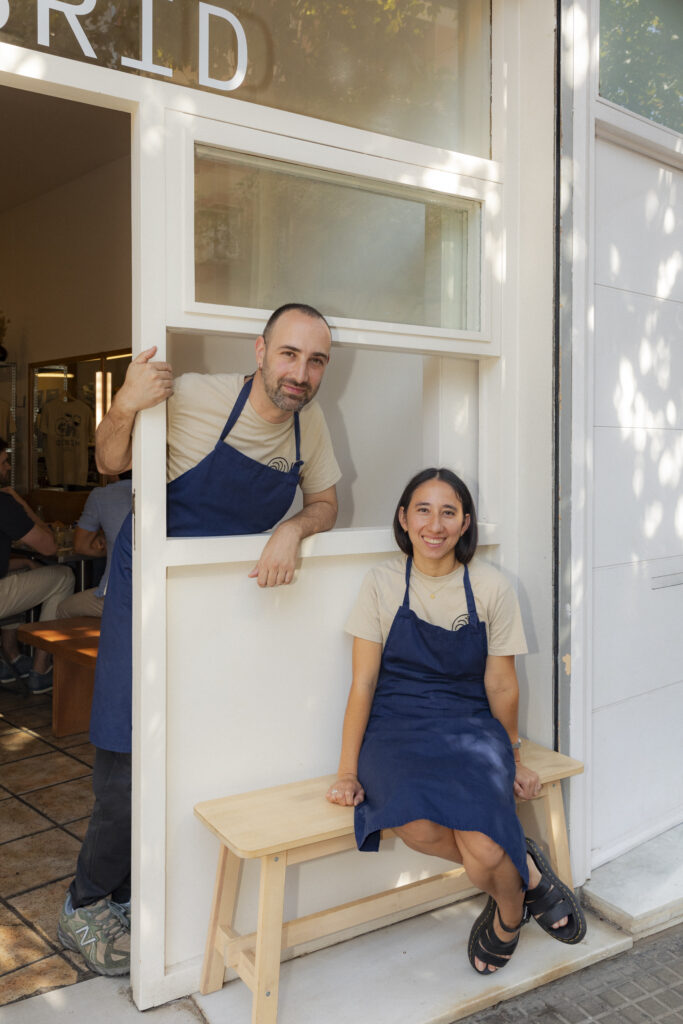
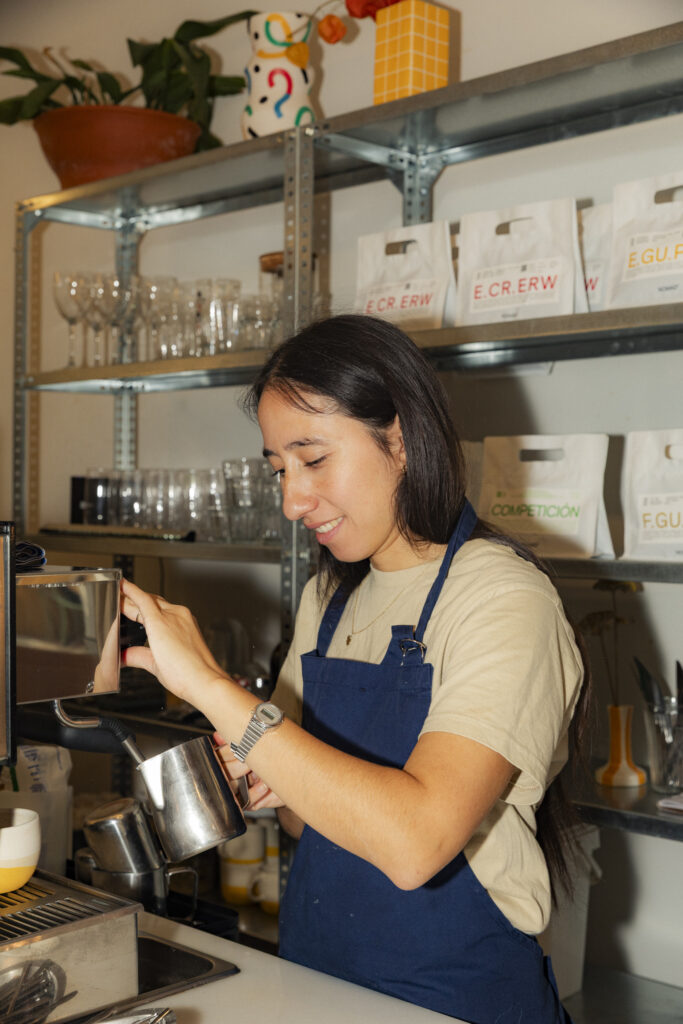
In 2021, my partner – who is a chef – and I opened our own café, Híbrid Café Barcelona, intending to celebrate what we care about most: thoughtful service, great food, and exceptional coffee. Híbrid is our home, and we want everyone who walks through the door to feel that they’re at home too. It’s a warm, unpretentious space where people can enjoy delicious food and outstanding coffee – we proudly serve Nomad Coffee – in a relaxed and welcoming atmosphere. We’re based in Esplugues de Llobregat, about 45 minutes from central Barcelona. It was important for us to open our café in the neighbourhood where we live, to become part of the local community and create the kind of place we’d genuinely love to visit ourselves.
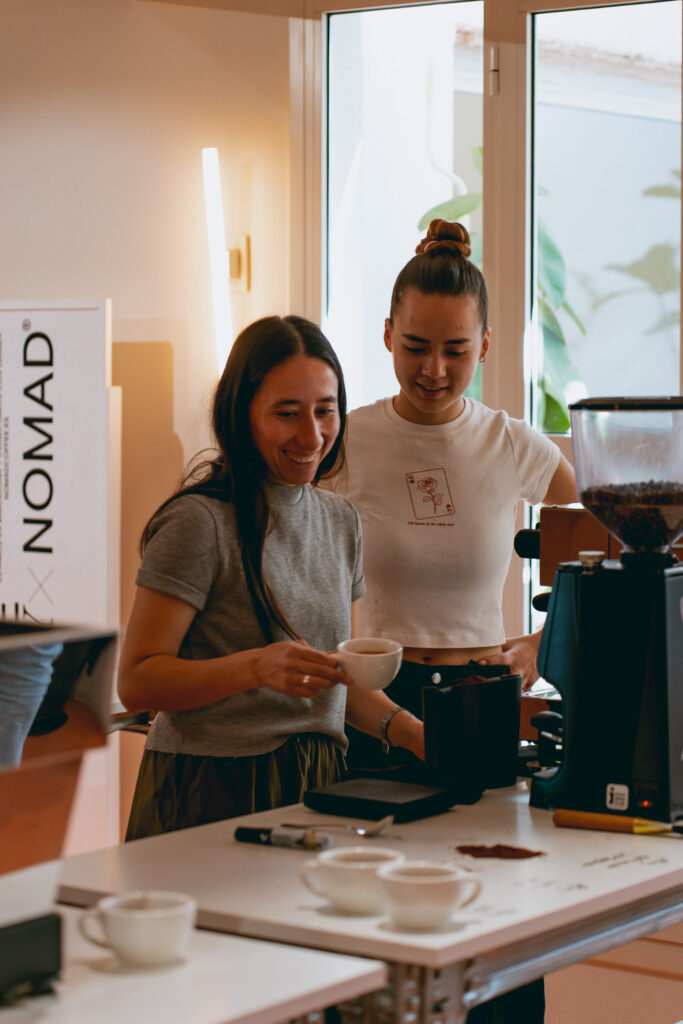
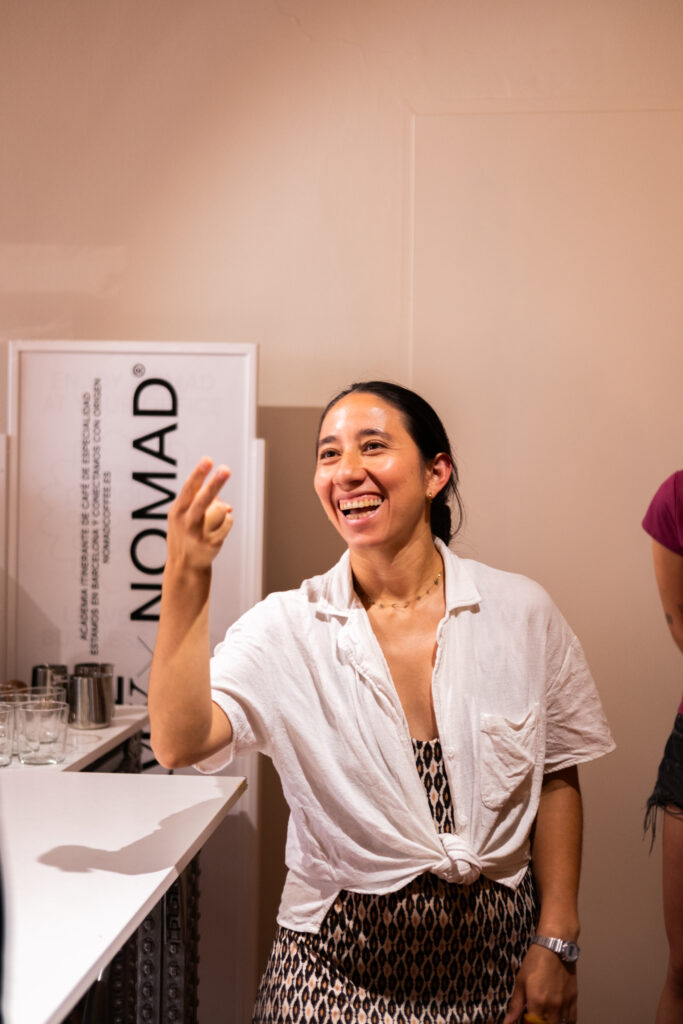
I talked about my career in coffee and what I do today, but I’d also like to mention the places – and especially the people – that have shaped me into the professional I am today.
I’ve worked in a variety of environments, not just coffee. When I first studied Hospitality, I completed my internship at Lasarte, a fine dining restaurant in Barcelona. It was an incredible learning experience. Everything I learned there has stayed with me, particularly the pursuit of excellence and attention to detail, values I’ve carried with me into the coffee world. I also worked at the fine dining restaurant Mas Pau, where I met my partner. Later, I spent time working in a cocktail bar, where I learned what it really means to perform under pressure while never losing sight of hospitality and guest experience.
Looking back, I realise my career has been shaped by a few key people. At the cocktail bar, I met Cristina – everyone called her Crispy. She taught me so much about service and hospitality. Watching her interact with guests was incredible. She connected effortlessly with people, stayed calm under pressure, and was unbelievably organised. I can’t help smiling when I think about those days because I was still trying to overcome my shyness and develop my social skills. Watching her work made me fall in love with hospitality. I remember thinking, that’s the kind of professional I want to become.
At Nomad Coffee, I met another person who had a huge impact on me: Yasser Ríos. We were about the same age and both very young at the time. He came from a fine dining background, and it showed in everything he did. I admired how demanding he was, even if I have to admit that sometimes it drove me crazy (sorry, Yasser!). I already loved coffee, but I was much more relaxed when it came to precision. I still remember telling him, “Yass, it’s only 0.1 grams,” and he would simply ask me to make it again. His commitment to excellence had a profound influence on the way I work today.
What kind of experience do you want your guests to have when they visit you at your places?
I’ll use Híbrid, my café, as an example because I have a very clear idea of the experience I want to create there. I want people to feel at home. I want them to enjoy coffee in a calm, relaxed, and unpretentious way. I don’t feel the need to explain every step behind the cup or turn every coffee into a lesson. If someone chooses to walk into Híbrid and order a specialty coffee instead of the coffee served at the café across the street, they’ve already made a conscious choice. Our role isn’t to constantly educate or persuade them – it’s to make that choice worthwhile.
The same philosophy applies to service. Everything is connected. I believe a great experience isn’t only about serving excellent coffee, but also about how you make people feel. My goal is for guests to enjoy every sip without needing to be told why it’s different. I’d rather they discover it naturally for themselves. If someone leaves thinking they’ve had a delicious coffee, a great meal, and, most importantly, that they’ve felt comfortable, welcomed, and at home, then I know we’ve done our job well.
What is your favourite part of the day at work, and why?
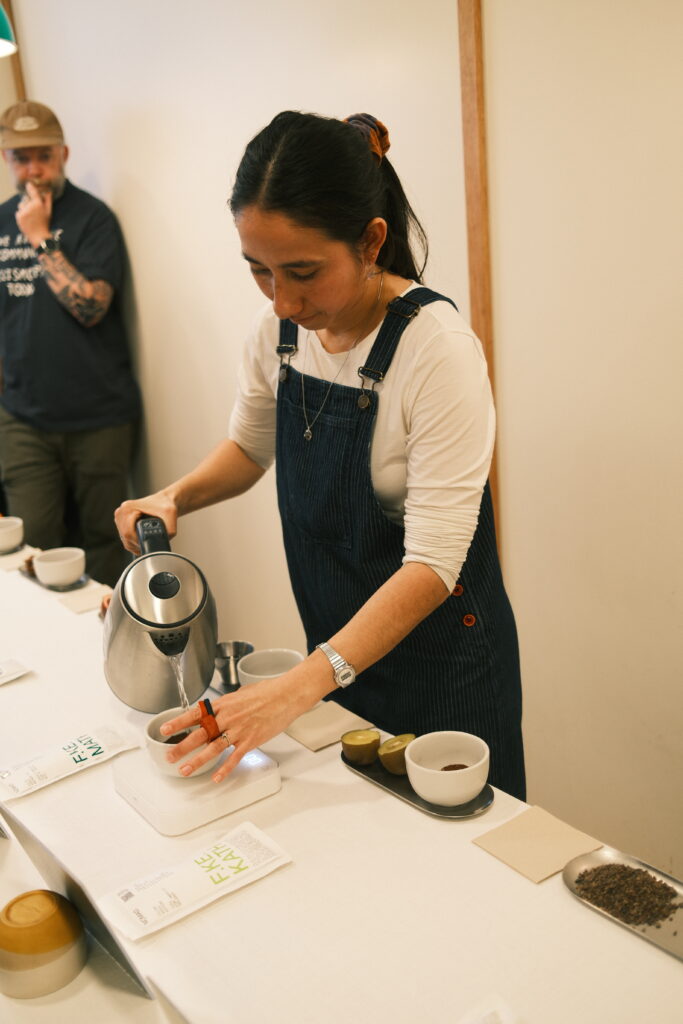
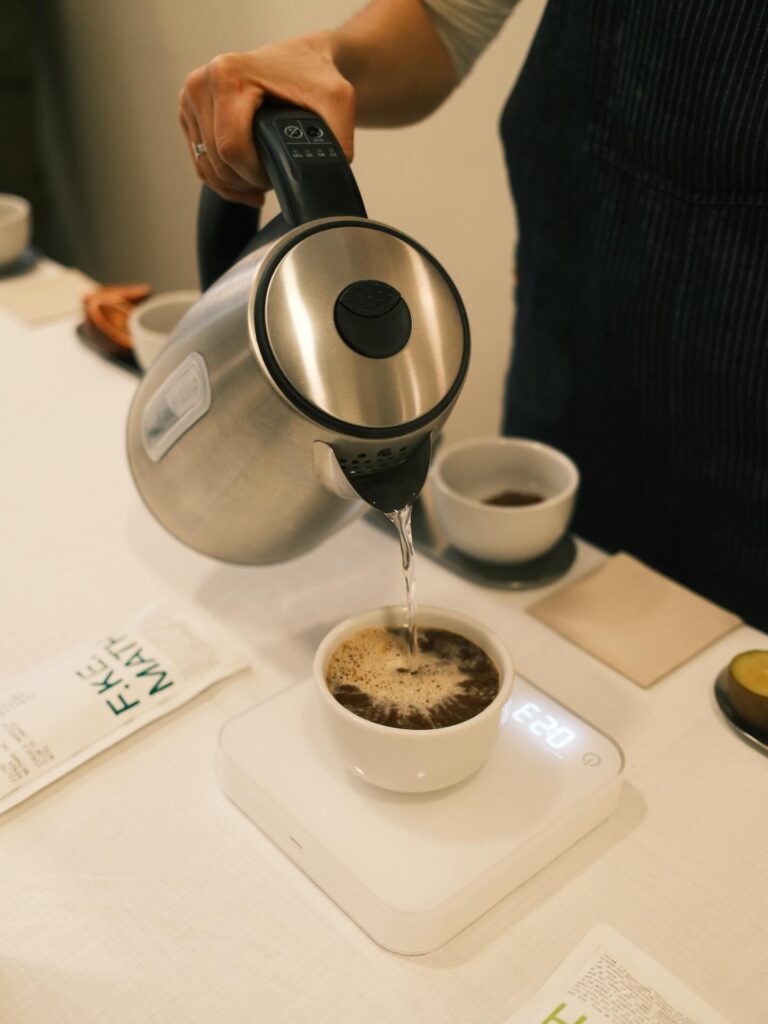
I have a few favourite moments throughout the day. I love cupping coffees because every tasting is an opportunity to keep learning. I also really enjoy developing and testing new recipes – it’s one of the most creative parts of my job. If I had to choose just one, though, it would be teaching. Sharing knowledge, watching someone grow in confidence, and helping them develop their own understanding of coffee is one of the most rewarding parts of what I do.
How do you stay motivated and inspired to keep improving your coffee-making skills?
I think my motivation comes from being aware of where I am and how much I still have to learn. The more I learn about coffee, the more I realise how much I don’t know. I’m fortunate to be surrounded by incredibly talented people, and that constantly reminds me that there’s always another step forward.
Rather than discouraging me, I find that incredibly motivating. I like to think that this journey never really ends, and honestly, I hope it never does. I hope I never reach a point where I feel like I know everything. That sense of curiosity and continuous learning is what keeps me inspired every day.
What are some common misconceptions about our industry that you’ve encountered, and how do you address them?
To be honest, I don’t really like thinking in terms of misconceptions. I prefer to see them as different stages of learning. As you discover the world of coffee, it’s completely natural to hold ideas that later evolve or change. I think we’ve all been through that process.
The deeper you go, the more you realise how complex coffee really is, and many of the things you once felt certain about begin to shift. To me, those aren’t mistakes – they’re simply part of the journey.
That’s why I try to approach these situations with empathy rather than judgment. I’ve been through the same process myself, and I still change my mind as I continue learning. I believe staying curious and open-minded is far more important than always being right.
What are the current trends in cafes in your region? Are there any trends you promote yourself and would like to see more often in other places?
Spain, and Barcelona in particular, has become one of Europe’s leading specialty coffee hubs, with an incredible concentration of outstanding micro-roasters. One clear trend is that many cafés now roast their own coffee, allowing them to build a stronger identity and have greater control over quality. At the same time, I see a growing appreciation for coffee in its purest expression—clean, balanced cups that let each origin and variety speak for themselves.
There are two ideas I try to promote whenever I can.
The first is staying connected to the origin. Not just to where the coffee is grown, but also to the people behind it – their stories, their context, and the realities they live every day. Sometimes I feel there’s a real distance between those of us serving coffee and those producing it. I like to remember that we’re all part of the same chain, and understanding that connection helps us approach coffee with greater respect.
The second is transparency. I love tasting coffees with unique flavour profiles and innovative processing methods, but I enjoy them even more when I understand how those flavours came to be. Learning about the choices made during cultivation, processing, and drying gives the coffee much more meaning for me.
If there were one piece of knowledge about coffee you’d like everyone to know, what would that be?
Rather than one specific piece of knowledge, I’d love to see more curiosity about everything that happens before coffee reaches the cup. We often talk about the perfect espresso or tasting notes, but coffee begins long before any of that.
Learning about the people at origin, how they live, how coffee is harvested, and the decisions made throughout cultivation completely changes the way you see a cup of coffee. Not because you need that knowledge to enjoy it, but because once you understand it, it’s hard not to appreciate it differently.
How do you maintain the consistency in the quality of coffee you serve?
For me, quality always starts with the raw ingredient. Working with exceptional coffee is the foundation of everything.
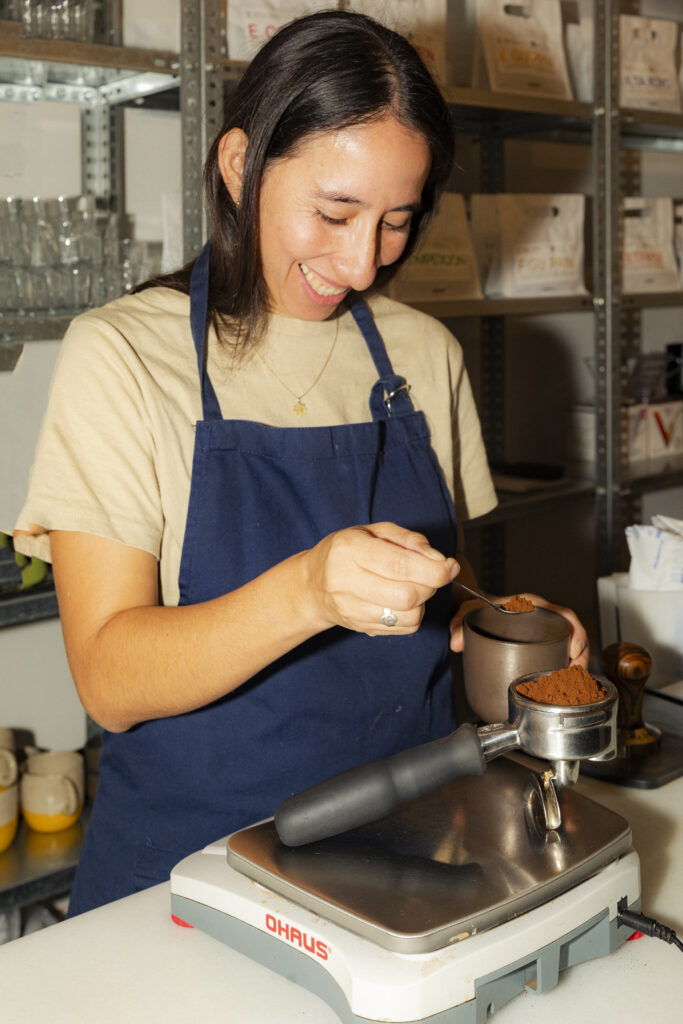
Consistency, on the other hand, comes from having well-defined processes. I like to standardise every detail and be intentional about every step and every movement. That’s what allows me to reproduce the same result, even during the busiest moments.
I also place a lot of importance on organisation. Having every tool in the same place, working with accurate scales, high-quality grinders, and well-calibrated equipment helps create a consistent workflow. When everything is organised and the process is clear, it’s much easier to deliver the same quality in every cup.
What are your passions and hobbies apart from coffee?
Without a doubt, gastronomy. I’m fascinated by everything related to it – wine, cheese, fermentation… I haven’t explored any of those worlds as deeply as I have coffee, but I know I easily could. They all begin with great ingredients and a thoughtful process, and that’s what fascinates me most: understanding how small decisions can completely transform the final result.
But if there’s something I’m just as passionate about as the product itself, it’s hospitality. I love observing service, paying attention to how people make others feel, and noticing the small gestures that can turn an ordinary experience into a memorable one.
I’ve always believed that while you might remember the taste of an exceptional coffee, you’re even more likely to remember the person who served it and made you feel welcome. I find it fascinating that great hospitality can completely change someone’s mood, while poor service can have the opposite effect. There’s something almost magical about the ability to shape someone’s experience through the way you make them feel.
That’s one of the most valuable lessons I learned while working in fine dining restaurants: hospitality isn’t an addition to the product – it’s an essential part of the experience.
Where in Barcelona do you find your best inspiration?
Honestly, I find far more inspiration in people than in places.
One of the people who inspires me most is my partner, Pau. He has an incredible ability to put any situation into perspective and approach it with a sense of calm that I genuinely admire. He has a way of making difficult things feel simple, and that’s something I try to learn from every day.
I’m also inspired by my friend María Magdalena Villaseca (MM), a food designer I’ve had the pleasure of collaborating with on several projects, including the creation of the Nomad Academy. I deeply admire her organisational skills, her attention to detail, and the very visual way she understands and manages time. She’s an exceptional professional, and I always learn something when we work together.
Another person who inspires me is Clara Matsio, co-founder of Bar La Camila. I admire the care she puts into every detail, the elegance of her work, and the subtle way she creates meaningful experiences. She has a remarkable sensitivity that I find deeply inspiring.
Finally, I’m inspired by all the small independent projects that often go unnoticed. They may not be the most visible names in the coffee world, but I believe they’re essential. They’re built with honesty, dedication, and care, and without them, our coffee community wouldn’t be what it is today.
What coffee challenges are you looking forward to? Any new projects or collaborations?
I have a goal that I’m not sure yet if I’m ready to take on, but it’s there. I would like to compete in coffee cup tasting competitions. I would like to work on social projects at origin; we already have something underway. And why not open a coffee shop that gives me only pleasure and not work, haha: creating a space for enjoyment without having to think about profitability!

Quick Fire Questions for Ivette Vera Loor:
Filter coffee or espresso-based?
Filter coffee.
Milk coffee or black coffee?
Black.
The most underrated coffee drink?
Americano
How do you make coffee at home?
For me, filter coffee, and for my family, coffee with milk.
The most underrated coffee brewer?
The Italian moka pot.
Favourite piece of barista equipment?
Cups. I love some that were given to me for my 25th birthday, Japanese style. I love cups, and not just any cup works for me.
No.1 café in Europe that every coffee geek should visit?
I really want to visit Tim Wendelboe.
What’s your favourite city to have a specialty coffee tour outside of “your city”, why?
Copenhagen, Denmark – there are many great roasters there.