
Italo Longato still remembers the exact cup. A small café in a tourist area of Lima, a coffee from Cajamarca that tasted of orange and flower blossoms, and a barista who knew what it was and where it came from. He ordered three. That was the moment, eleven years and several countries ago, that changed the direction of everything. Since then, he has worked as a barista, head barista, roaster, and content photographer, moving from Peru to Argentina to Uruguay to Spain to Germany, finding his footing each time in a new city through the one skill that has never let him down: knowing how to make good coffee.
His story is genuinely hard to summarise, simply because it is remarkably full. Buenos Aires gave him his first real specialty coffee experience and his first camera. Uruguay kept him safe during a pandemic and introduced him to the person who would eventually offer him a job in Berlin. A failed apprenticeship in the Netherlands reminded him how much he had already built. Berlin, where he now works as a roaster at Kaffee Kirsche and as a barista at Kiez Kaffee Kraft, is the place that stuck for longer because of his community.
Earlier this year, he held his first solo photography exhibition at Kiez Kaffee Kraft, a show called “About the Ordinary”, and described the experience as vulnerability that social media could never quite replicate. That phrase tells you something essential about Italo: he takes both coffee and photography seriously as ways of paying attention, of being fully present with what is in front of him. They are two versions of the same instinct: to stop, look carefully, and find something worth sharing in what everyone else walks past.
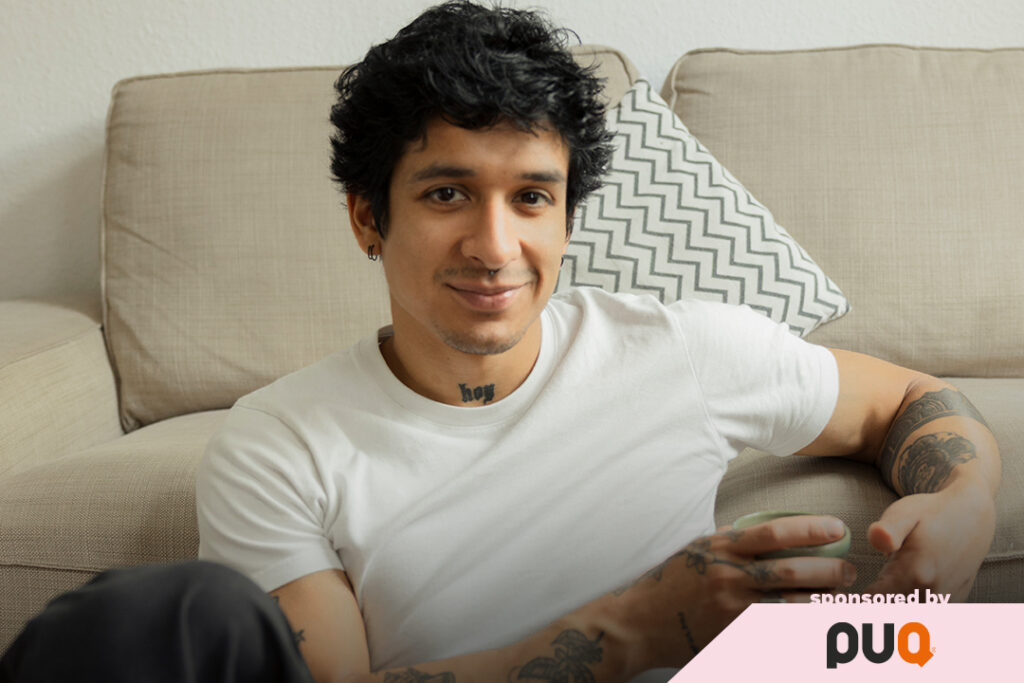
Italo, what is your first memory with coffee?
I feel like my first memories with coffee go back to my childhood. Back home, when I was a kid… around 6 PM we always had a small meal, like a snack, which we call ´lonche´, which, if I’m not wrong, comes from the English word ´lunch´. At the lonche, which is like tea time, we set a table with freshly baked bread (yes, in Lima Bakeries, most of the time bake twice per day), jam, butter, ham, cheese, cocoa, hot water, evaporated milk, tea and coffee. Sometimes there wasn’t cocoa, and mom would let me put half a spoon of instant coffee into my milk – “but just half a spoon, to give some taste to your milk or you won’t fall asleep later”, she would say. And then I will watch cartoons or telenovelas with her!
What inspired you to pursue a career in the coffee industry, and how did you get started?
One of my first jobs was as a salesperson for a mobile phone company. I was 17, and shortly after I started, I became the best salesperson in my team, which aroused envy among my colleagues. By that time, my brother was working for a well-known coffee brand as a barista, and he told me he was enjoying himself at work and with his colleagues. I wanted to experience the same, so I quit my former job and applied to a small Café-Ice cream shop.
I started to drink a lot of coffee, without knowing anything about it; I just liked it a lot. One year later, I decided to move to La Plata (Buenos Aires, Argentina). One day, while I was sorting out some paperwork to travel, in between, I went to a small café in a tourist area in Lima, and I had, without knowing, my first cup of specialty coffee.
Until the day I can still remember the taste. It tasted a lot like orange, flower blossoms, and it was so juicy. The barista told me it was from Cajamarca, and I ended up drinking 3 of them. That experience changed my perception of coffee, and since then, I have wanted to know more about it.
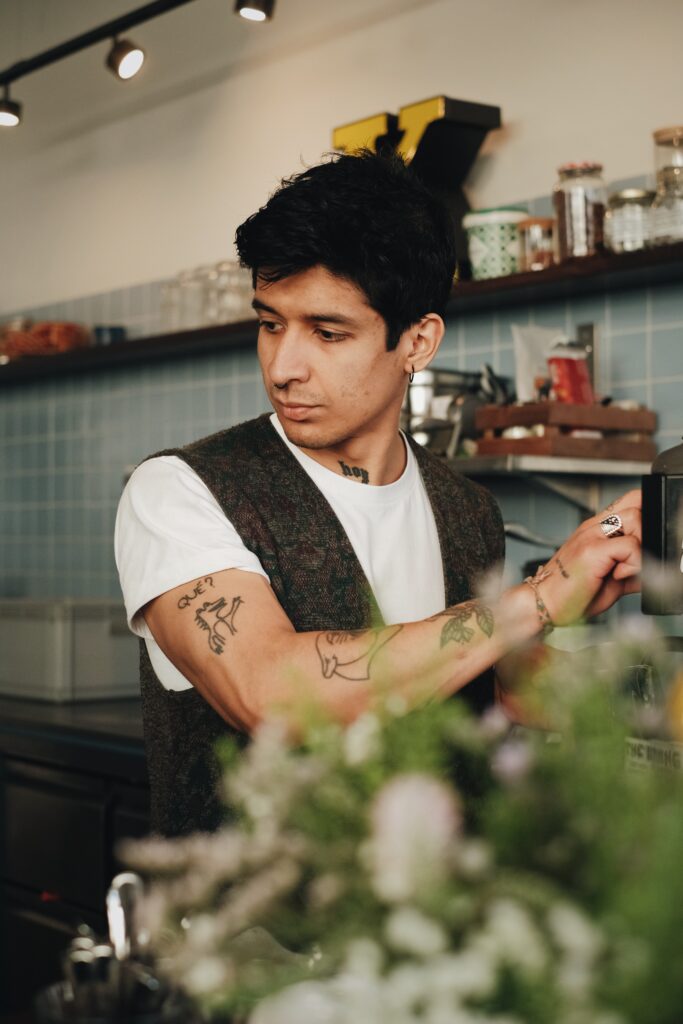
Can you walk us through your coffee career?
In 2016 I moved to La Plata, Argentina to study. There, I started the Cinema carrer at the UNLP (Universidad Nacional de La Plata). That same year I got a job in a café where the coffee was terrible but the cakes were amazing and there I started to learn how to do Latte Art together with a colleague just by watching videos online. Later on that year, I discovered the only specialty café in that city Market Café” (a pity it doesn’t exist anymore) and I became a regular customer. I tried applying for barista positions but I didn’t have luck.
A year after I changed careers.Since I took a course of personal training during my last year at high school I signed up this time for Nutrition at the same university. I wasn’t really sure about Cinema but because of it I started being interested in Photography.
I also attended to my first barista course, which took place in CABA (Ciudad Autonoma de Buenos Aires) every weekend for around 3 months. In CABA, the specialty coffee scene was more developed, there were approximately 10 cafés around the city where you could find a “third wave” coffee experience. After this barista course, I applied again to this only specialty café in La Plata and this time I got luck. It was my first experience working in a specialty café, where focus and quality in coffee was highly demanded. At the same time I dropped the Nutrition career, I couldn’t see myself as a nutritionist.
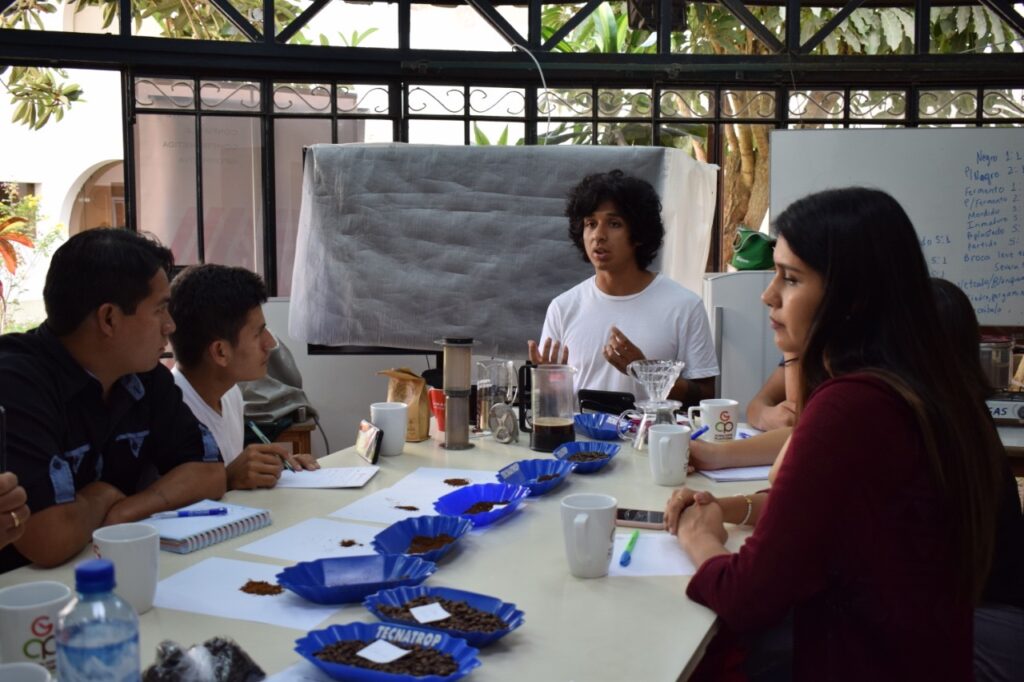
Then 2018 came. By this time, in Buenos Aires, the term specialty coffee started to be a thing. Motivated by the fast growing tendency, I decided to move finally to Buenos Aires. Here I started to work in the same place I did initially the barista workshops one year before, one of the first and most iconic specialty cafés in Buenos Aires: Negro, Cueva de Café in the center of Buenos Aires. This same year, I enrolled in a completely different career, international business. Half a year later, I dropped my studies once again, I couldn’t support them financially but also I didn’t find myself again in this career. I realised then that the only thing that was consistent and became one of my passions was coffee. Since I studied cinema for one year, the subject that I enjoyed the most was photography. This year I used all my savings to buy my first digital camera.
This year I also ran a small business together with a regular customer I met at the café. It was an online shop called Piberri and we offered coffee equipment which we imported from the US, we managed small amounts, so it never became a bigger business, but it was fun to do.
By 2019, I had gained more experience and was working as a head barista or manager in different cafés. I had the opportunity to spend a summer working in Uruguay as a head barista at a café in José Ignacio, a beautiful town on the east coast of the country. Once the season was over, I went to Lima on holiday, where I took a course in green bean quality control at La Cámara de Cacao y Café and learnt a great deal. I then returned to Buenos Aires, once again working as a head barista for a café, and this year I decided I wanted to go to Europe – to Barcelona, to be precise. The economy in Argentina had taken a turn for the worse and it was very difficult to live there; added to this was the fact that I’d always been curious to discover Europe and the convenience of having a European passport.
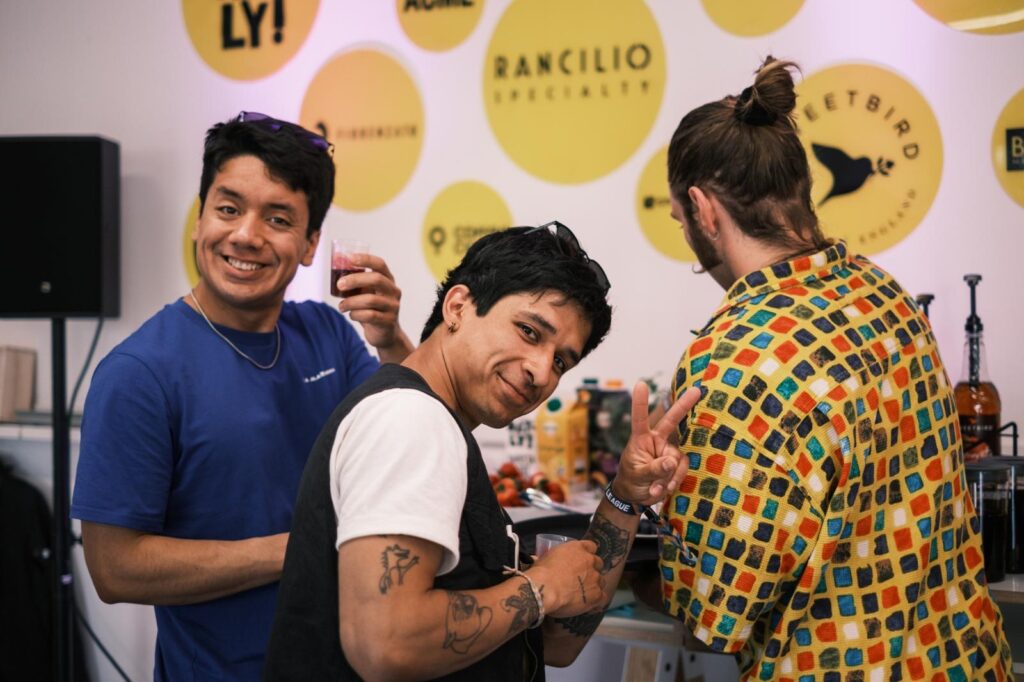
In 2020, I returned to Uruguay to work again in the summer season and after that I had planned to move to Barcelona. The café where I worked was one of the few that offered specialty coffee, and it was here that I met Ralf, the owner of The Barn, as a customer.
The summer season ran from December to March, and by March I had headed to Montevideo to do an internship in coffee roasting. By then, the COVID pandemic had struck; businesses began closing to the public and flights also became scarce. I had to leave the Airbnb where I was staying in Montevideo, but luckily a friend who owned the café where I’d worked over the summer put me up at his house, and I stayed there for a few months. Uruguay was the best place to live during COVID. By the middle of the year, some flights to Europe had resumed, and Uruguay was the only country from which you could fly to Europe. Intuitively and impulsively, I decided to fly to Barcelona.
I decided to go to Barcelona because I knew friends who lived there, and although I spent two months looking for work while living off my savings, I couldn’t find a job! Everything in Barcelona was closed or there was no restaurant or bar hiring people… I even apply to work as a waiter. It was a ghost city! I was starting to worry because I was running out of savings, so I began applying to other places in Europe, and that’s when I remembered I had Ralf’s contact. I got in touch with him and he offered me a barista role; as soon as it was confirmed, I bought a ticket to Berlin.
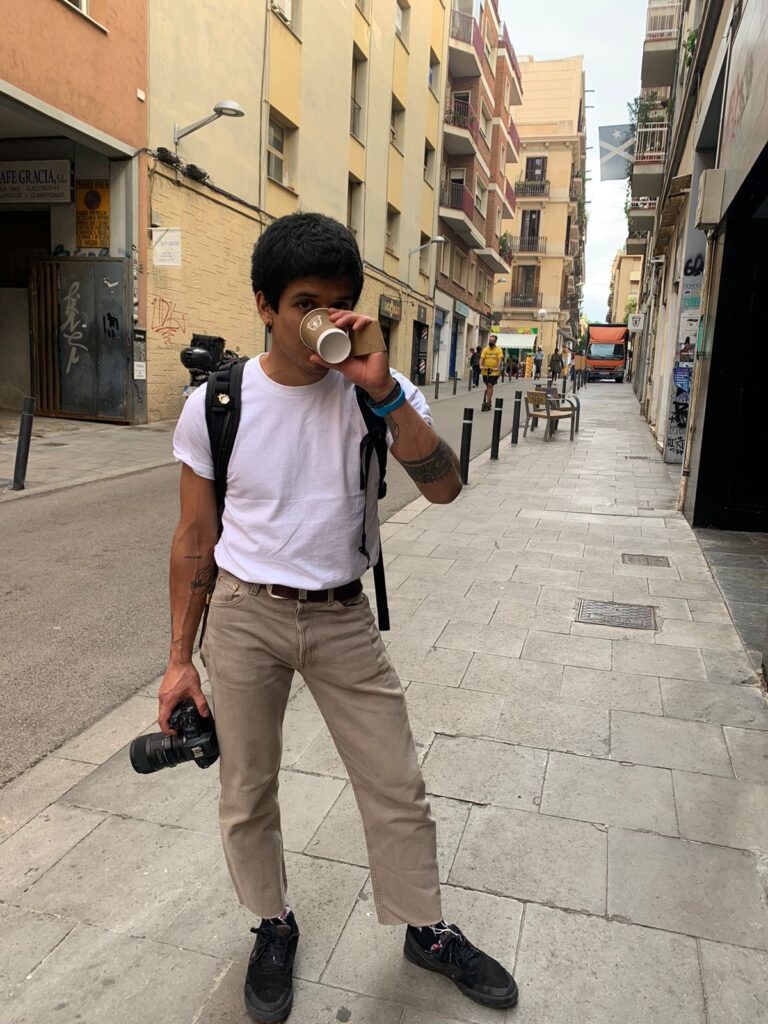
When I arrived in Berlin, I didn’t know anyone, so I moved into a hostel – it was the only thing I could afford until I’d received my first pay cheques. Although I didn’t have much and ate €1 salads from the supermarket, I felt secure and I had nothing to lose. Everything was new to me and I didn’t understand a word of German. I feel that’s the best thing about having skills as a barista or in gastronomy: wherever you go, you can get a job (as long as there isn’t a pandemic).
I worked at The Barn for about a year and a half and learnt a great deal about coffee. Although I enjoyed working there, I needed something more challenging than just a barista role.
Once I’d settled in, I started learning German and meeting more people in the coffee scene. I took up photography again and began creating content for coffee shops, and through a friend I even got the chance to take photos for La Marzocco. Although photography was always a freelance job, my main job was always as a barista.
By 2024, John, a friend I’d met whilst working for La Marzocco, offered me a job as a roaster. Around that time, a friend of mine lent me an Aillio Bullet roaster and I was experimenting at home with old green coffee. Years earlier, in Buenos Aires, I’d taken an SCA roasting course, though it wasn’t until then that I was able to put that knowledge to use. I feel that getting a job as a coffee roaster is very difficult if you don’t have previous experience, but also because there’s very little rotation.
I worked at Sincerely for about a year as a roaster until the end of 2024, when I applied for an apprenticeship programme for coffee professionals in the Netherlands specialising in roasting. Although it was a big project and I was keen to keep learning about roasting, the apprenticeship programme never went ahead and I just worked as a barista… It was a bit disappointing, but I did manage to enjoy my time in the Netherlands.
Being in the Netherlands for some months helped me realise and appreciate all that I have built in Berlin.
After coming back to Berlin last year, I set two main goals: improve my German and have a position as a roaster again. I got back a position as a barista at Kiez Kaffee Kraft while studying German and applying to coffee roasters. And since two months ago, I’m finally working as a roaster again.
Tell us a bit about the place you work at. What is your role there? Are there any other projects you are involved in?
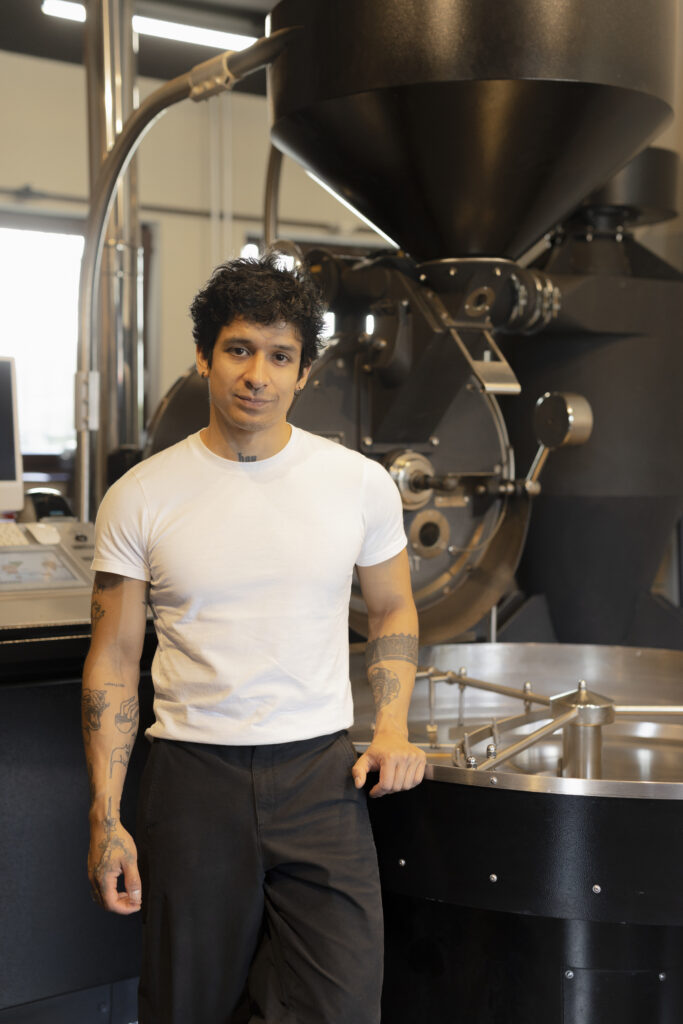
I work as a full-time roaster at Kaffee Kirsche, and I work some weekends as a barista at Kiez Kaffee Kraft.
Kaffee Kirsche is a specialty coffee roaster and café based in Berlin-Tempelhof since 2014. Here, my main tasks are as a production roaster and quality control. Basically, I make sure that coffee is carefully roasted and/or blended for our shops and dispatched on time to our customers. And together with my boss, we keep track of the coffee quality, cup and buy new coffees.
Kiez Kaffee Kraft is a neighbourhood specialty café based in Berlin Pankow that offers multi-roaster coffee options and a homemade food menu. Here I work as a barista, and I also had the chance to host my first solo photo exhibition earlier this year.
Besides my two main jobs, I also work as a freelance photographer. My photography work is a mix of documentary, lifestyle and portrait. I enjoy working with people, mostly with artists who want to showcase what are their persona behind their art. And of course, I love taking photos of everything that has to do with coffee! Since I got my first camera, I started to create content at home just for fun and eventually for coffee shops. Here in Berlin, I got the pleasure to work with brands such as La Marzocco, one of my favourite coffee brands.
Since last year, I’ve been working on a personal project. It’s a merch brand related to what I experienced all these years working in service and coffee. Stay tuned!
What kind of experience do you want your customers to have when they visit you at the cafe?
I want them to feel comfortable enough as if they are in an extension of their living room. I like to know customers’ names, a bit of their story, connect further but always keeping it genuine. Sometimes that’s not the case, customers just don’t want to be bothered and same for us in service… and that’s also fine, we need to read the room.
I don’t like pretentious service, when people fake smile at you and ask you questions and it feels like they really don’t care about the answer or what you are saying.
But also a great customer experience can only be achieved with attention to service, high quality products, consistency and fast workflow… but you can only get there with a great team work. If your team is not working properly and unhappy, that will reflect on the experience. People are everything, both customers and your team.
What is your favourite part of the day in your cafe, and why?
My favourite part of the day in the cafe is definitely the mornings. While the city is still waking up … I wonder if customers realise that there is a person waking up earlier than them, drinking the bad coffee so they can have a good one… I love this time before the cafe opens, when I have to prepare everything before the first wave of customers arrives. If I’m alone opening the café, I love to play a nice album, I play it out loud, and I sing along while dialling espressos, baking pastries, etc. If I’m opening with colleagues, I enjoy chatting with them.
How do you stay motivated and inspired to keep improving your coffee-making skills?
Traveling inspires me a lot! Always when traveling I love visiting local cafés, trying new stuff and talking to baristas. I also find a lot of motivation and inspiration exchanging with my peers, I like to know how they work, what they do differently and what I can learn from them and then applying it.
What are some common misconceptions about our industry that you’ve encountered, and how do you address them?
This phrase: “The customer is always right” – I strongly disagree with this phrase, it’s a poor and pleasing way of thinking. Of course, in hospitality, we try to host our customers in the best way possible, but service has its boundaries, and people have to learn that.
If there were one piece of knowledge about coffee you’d like everyone to know, what would that be?
If you take care of the water you use to brew your coffee, your coffee will taste better!

What are your passions and hobbies apart from coffee?
Photography (which I also do for work), cycling, and callisthenics. In general, I enjoy everything that has to do with body movement. I’m also passionate about cooking. With friends, we hosted a couple of food events just for fun. And music! I love music, going to gigs, concerts, and lately I’m learning in my free time to play the guitar!
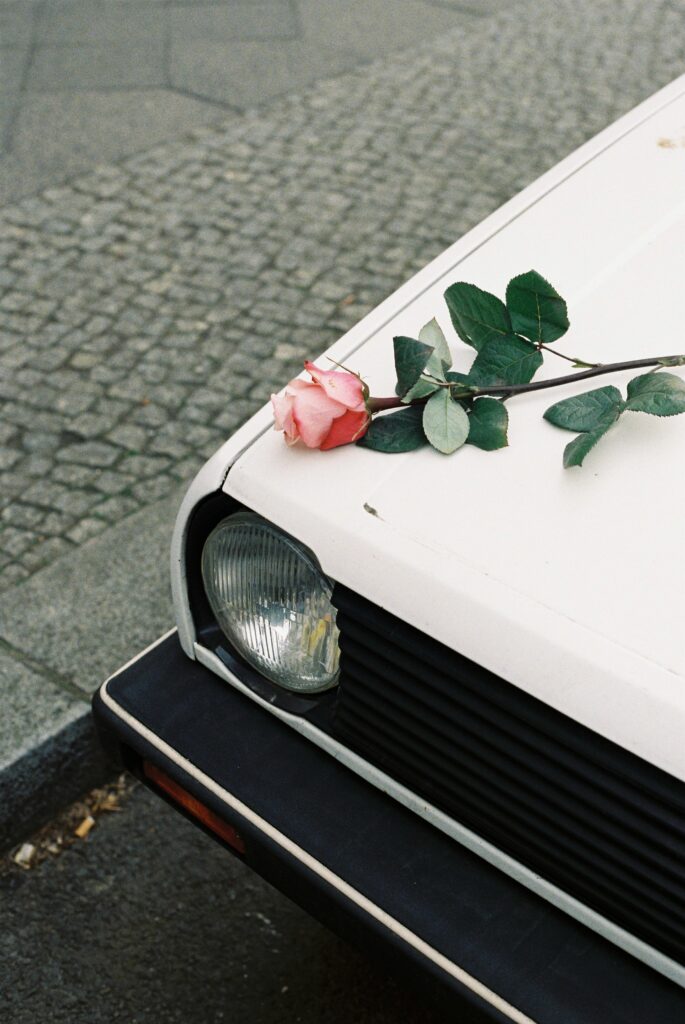
Coffee is about what’s in the cup; photography is about what’s in the frame. Both require you to stop and really look. Do those two disciplines teach each other something – or do they pull you in different directions?
Consistency and perseverance. I think that in both coffee and photography there are endless processes of trial and error, you can feel frustration many times. Both keep teaching me patience. Both require a lot of attention and being fully present with your senses.
Is there a photograph you’ve taken that still surprises you, that showed you something you didn’t know you were seeing when you pressed the shutter?
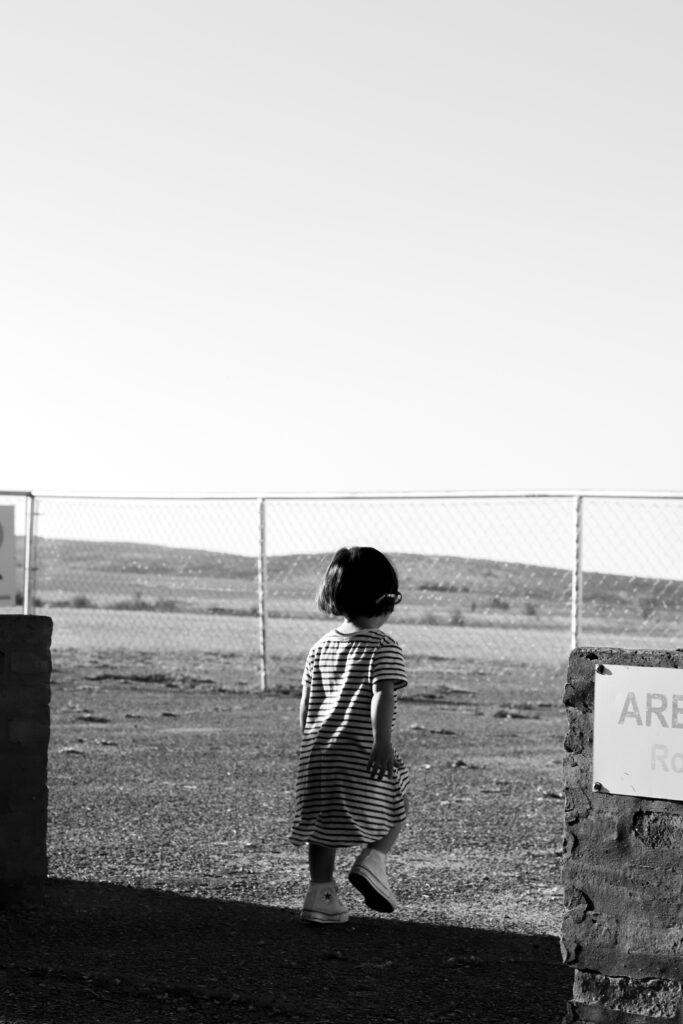
I would say that there is a photo that I took in 2019 while I was on Holidays in Cordoba Argentina. It was in a hangar, there was an ongoing exhibition of aircrafts. I was taking photos of the aircrafts and the surroundings, among the public, there was a mom with her toddler, they were standing next to me. The kid was looking at me and my camera with an infinite curiosity plus she had huge eyes. I asked the mother if I could take a portrait of her and she was happy about the idea. The moment I lowered my camera and myself to take the portrait, the kid started to run away and that’s when I pressed the shutter… while she was on the run. Until today, I love this photo because of the composition and because of how unexpected photography can be.
What was the feeling when you walked into the exhibition space and saw your work hanging there for the first time? What does it feel like to see strangers stand in front of your work – is that vulnerability, pride, or something else entirely?
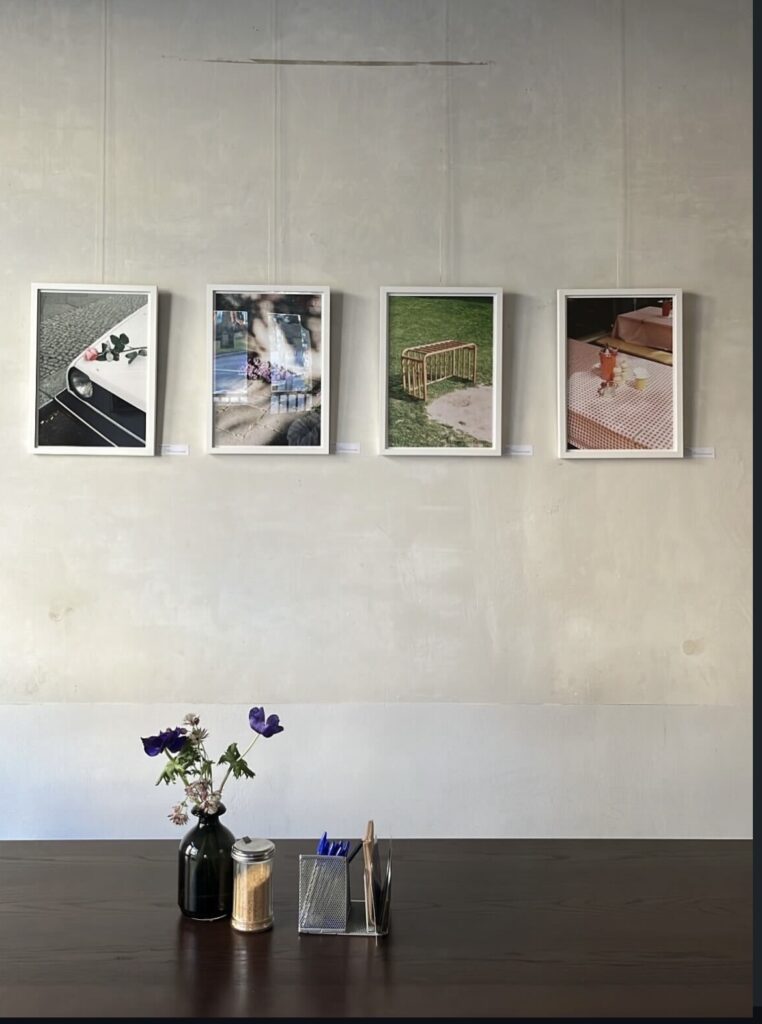
I hosted my first solo photo exhibition earlier this year in one of the cafés I work at Kiez Kaffee. The exhibition was called “About the ordinary” and was about ordinary things and compositions that I could find daily. Definitely at first it was a feeling of achievement, of bringing a creature to life. It was absolutely also a feeling of vulnerability, it felt like I shared a part of myself ,a vulnerability that doesn’t even compare to social media because the interaction with spectators was richer and the feedback as well.
It was a beautiful learning process not only artistic but also personal, I felt a lot of fear at the beginning. My photos, my art as soon as it interacted with other people transcended and it meant different things to different people. Some people will come to me and say: “Hey this photo reminds me of.. or it makes me feel like this.. I like this photo because of this…”
Where in Berlin do you find your best inspiration?
If I have to choose a place, I would pick my favourite museum: C/O Berlin. It’s mainly a photography museum but there are also visual art installations. I love the exhibitions there mostly because of how they are curated. That inspires me a lot. But honestly, it can be anything that can inspire me.
What coffee challenges are you looking forward to? Any new projects or collaborations?
I would love to keep learning about roasting, but also I want to improve my sensory skills and get a Q-grader certificate. Even think of competing on Cup Tasters sometime soon. I would also love to collaborate with coffee brands, do something creative, like creating content for them or being sponsored would also be cool.

Quick Fire Questions for Italo Longato:
Filter coffee or espresso-based?
Filter coffee.
Milk coffee or black coffee?
Black, although I like a morning cappuccino.
The most underrated coffee drink?
Freddo Espresso.
The most underrated coffee brewer?
Chemex (I know, controversial!), but I honestly had amazing, delicate and aromatic brews from it!
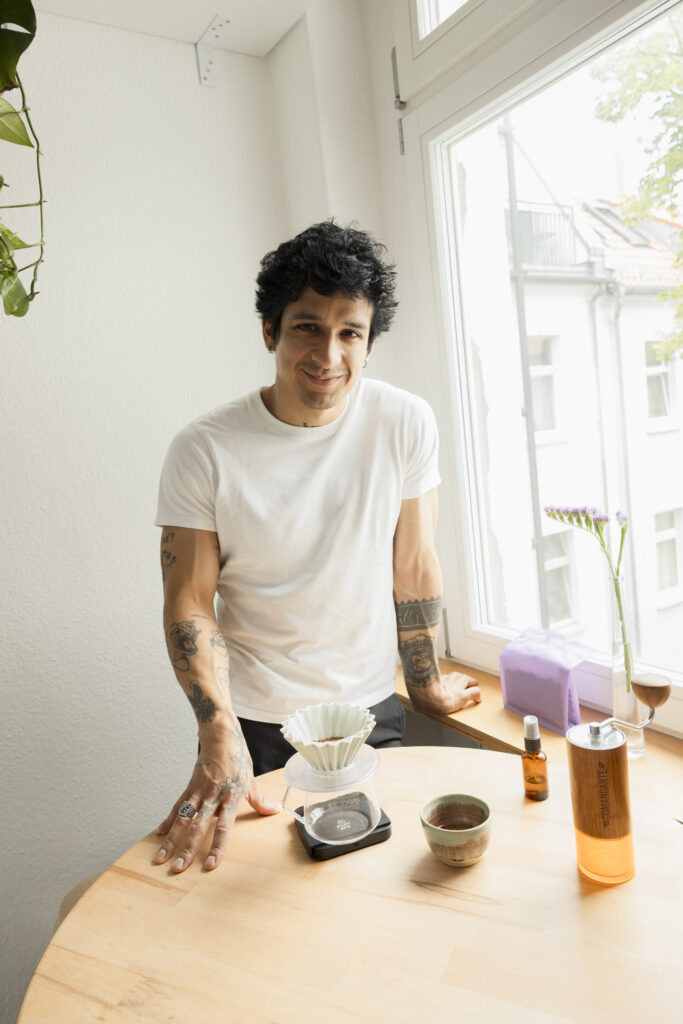
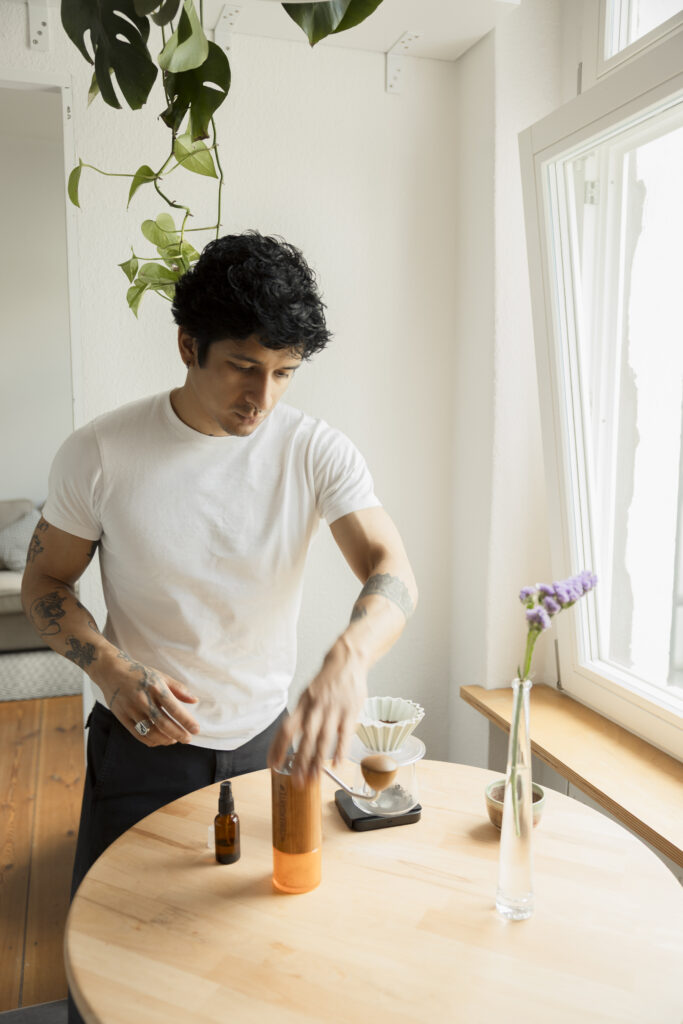
How do you make coffee at home?
The Kalita Wave is the only brewer I haven´t broken yet!
No.1 café in Europe that every coffee geek should visit?
Such a hard one! Lucky Cat Coffee Roasters in Dresden (first name that popped in my mind!)
What’s your dream place to have a coffee tour?
Copenhagen. You can find delicious coffee everywhere, but also the best pastries ever.