
Inger Wieringa’s coffee career began with a negotiation with herself. At 18, working in a bagel shop in Utrecht, she did not actually like coffee but could not stop staring at the espresso machine, so she started with a vanilla latte and half a shot, then cut the sugar and added more coffee each week. Eleven years later, she is the 2025 French Latte Art Champion, an SCA Authorised Trainer, and someone who drinks flat whites from cat-cups 😻
She moved to Paris with a Psychology degree and a plan to do coffee for a little while and see. The little while turned into making an impact in several cafes, nearly three years as a barista trainer, and finally her own company, 29 coffees. She travelled to Milan to learn the seahorse, entered the French Latte Art Championship three times, and climbed from 4th to 2nd to 1st, which is a progression that clearly reflects the dedication and hard work. The psychology degree, she says, still comes in handy in certain situations.
These days, Inger lives next to a forest with her cats and a collection of houseplants, and she is clearly thriving. In this interview, she explains why a French allongé is not what customers think it is, what a championship really costs, and why coffee does not have to be bitter. We are watching Inger closely since she inspires in a natural & loving way!
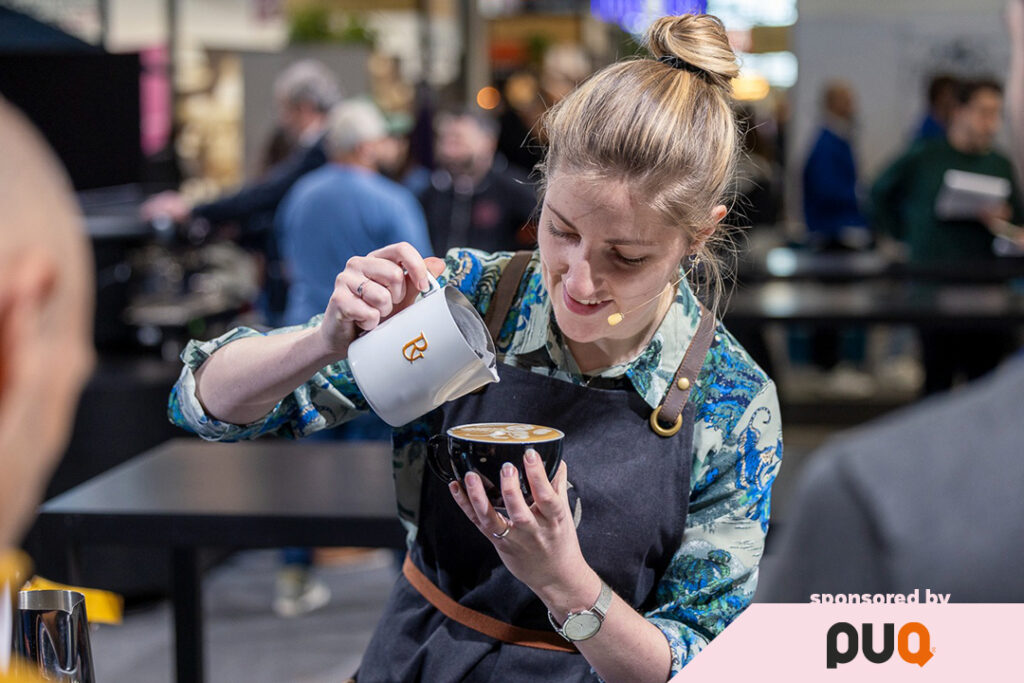
Inger, what is your first memory with coffee?
My first memory is working in a bagel shop in Utrecht and seeing the espresso machine in the corner. I was not recruited as a barista, but my eye kept being drawn to the coffee machine. I really wanted to drink coffee, but at 18 I didn’t like the taste of it at all… So I forced myself to start drinking vanilla lattes with only half a shot of espresso. Little by little, I reduced the sugar and added the coffee. And here we are drinking flat whites and filter coffee, 11 years later!
What inspired you to pursue a career in the coffee industry, and how did you get started? What did you do before coffee?
During my studies in Psychology back in the Netherlands, I had a student job working as a barista. When I moved to Paris, my French wasn’t good enough to become a psychologist (at least that’s what I thought), so I figured I’d continue in coffee for a while and see later. I felt like working in coffee wasn’t “a real job”, and it definitely would not have a lot of career prospects. Little did I know…
After becoming a barista trainer, I realised that there is so much more to achieve in the coffee world! Now, I am convinced I will be working in the coffee industry for probably a long time (and that degree in Psychology still comes in handy with some guests!).
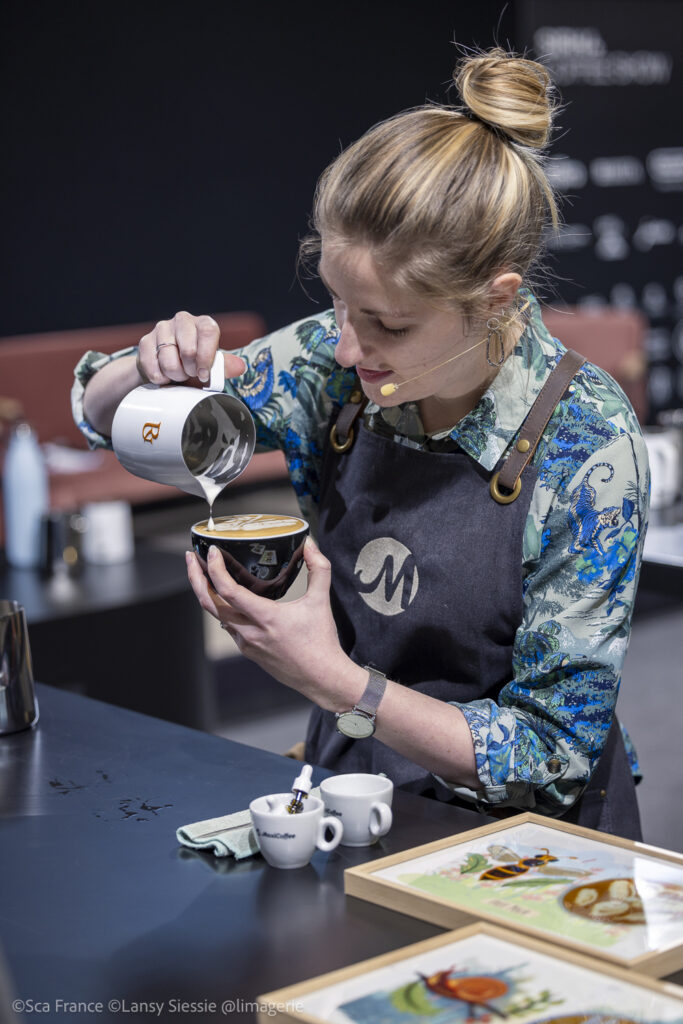
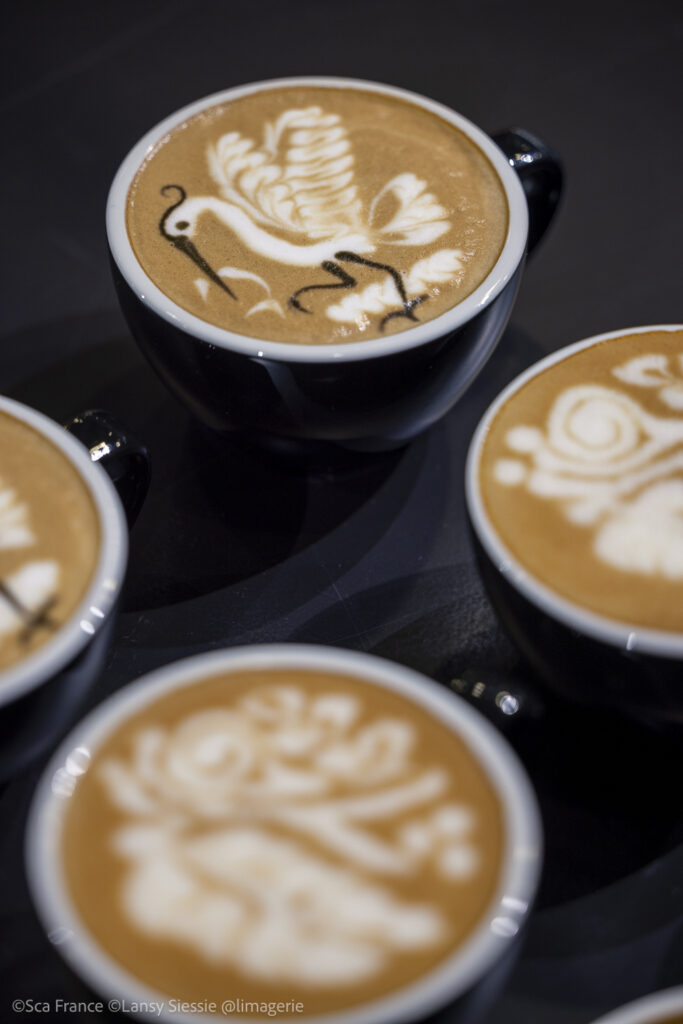
Can you walk us through your career?
I have been a barista in 3 different coffee shops in Utrecht, the Netherlands (Bagels&Beans, Anne&Max, The Rocking Chair) before moving to France. Then I had the chance to be recruited by MataMata in Paris, even though COVID-19 had just hit the coffee scene hard. I stayed there for about a year before moving on and becoming a manager in one of the NOIR Coffeeshops. Finally, I was offered a job as a barista trainer, which I have done for almost 3 years.
Unfortunately, I had to quit because I was burned out. After some time off and becoming myself again, I was ready for a new adventure. It has been 7 months now that I have decided to open my own company as a freelancer. And it has been a blast so far!!
Tell us a bit about your current work and projects.
Currently, I am working with lots of different clients and doing lots of different things at my newly established company – 29 coffees; I am teaching coffee again, doing consulting to help open new coffee shops, giving latte art masterclasses, doing latte art demonstrations, etc. I will even be coaching for the upcoming Latte Art Championship!
What kind of experience do you want people to have when they try your coffee?
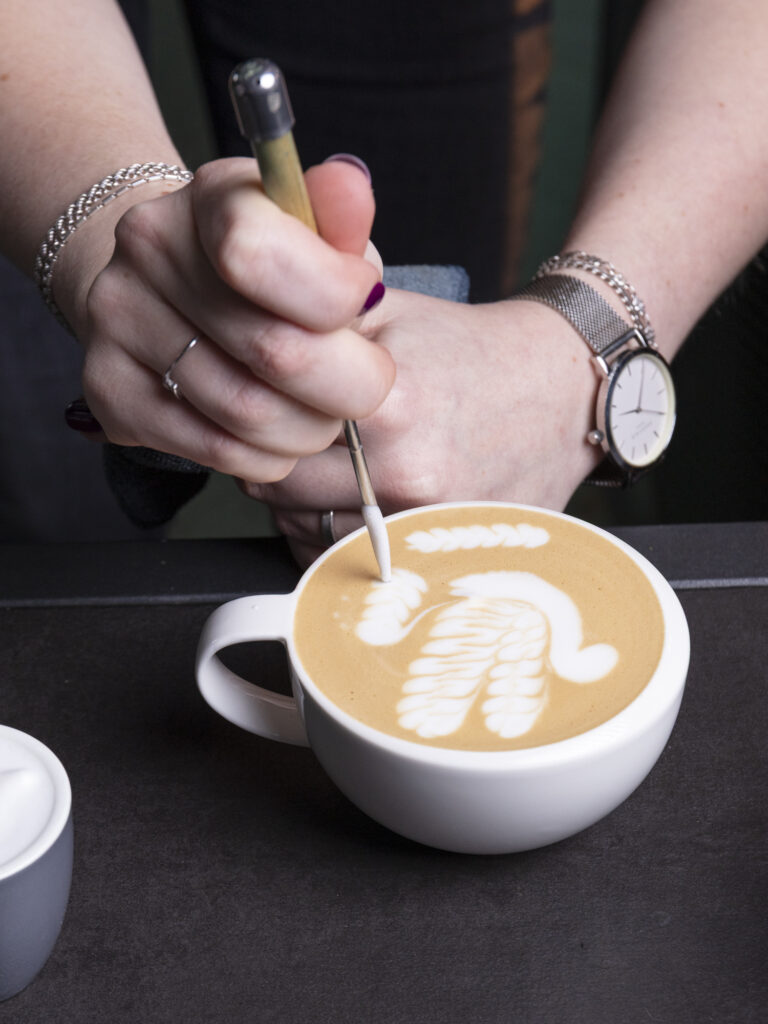
When people try my coffee, I’d like to serve them something that looks as good as it tastes. A pretty Latte Art, for sure, but most importantly, a well-balanced and well-extracted cup of coffee! Not to forget the hospitality… I want them to leave with a smile on their face, hoping that I have made their day a little brighter.
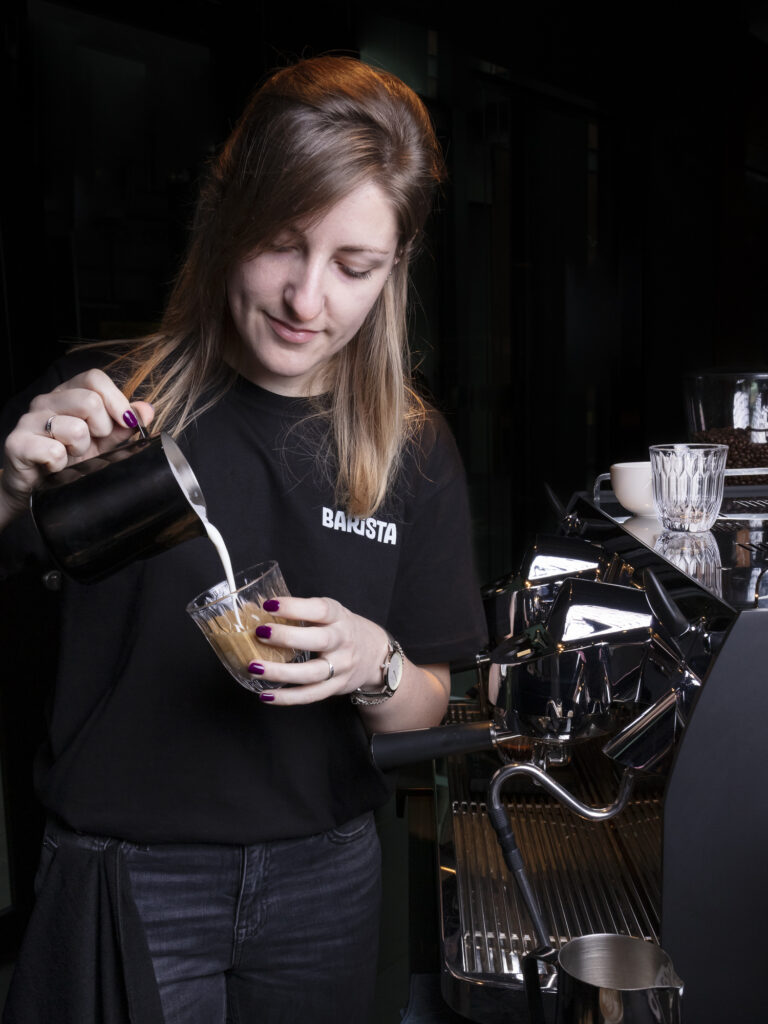
What is your favourite part of your workday, and why?
Even though I don’t work behind the bar full-time anymore, the mornings in a café are still my favourite; while putting on a chill coffee playlist, you get to taste the first cup of coffee of the day and prepare the first coffee of the day for a lot of people! There is just something magical about that.
How do you stay motivated and inspired to keep improving your coffee-making skills?
Honestly, I think this is one of the hardest things to do. Especially with social media showing all the things that you did not know, that you did not attend to, that you missed out on… If you have the chance to work with colleagues, keep asking them questions, and keep tasting coffee together.
Personally, I like to share with other baristas in cafés that I do not know, and of course championships are an excellent way to keep pushing the boundaries.
And what are your favourite things/skills to teach?
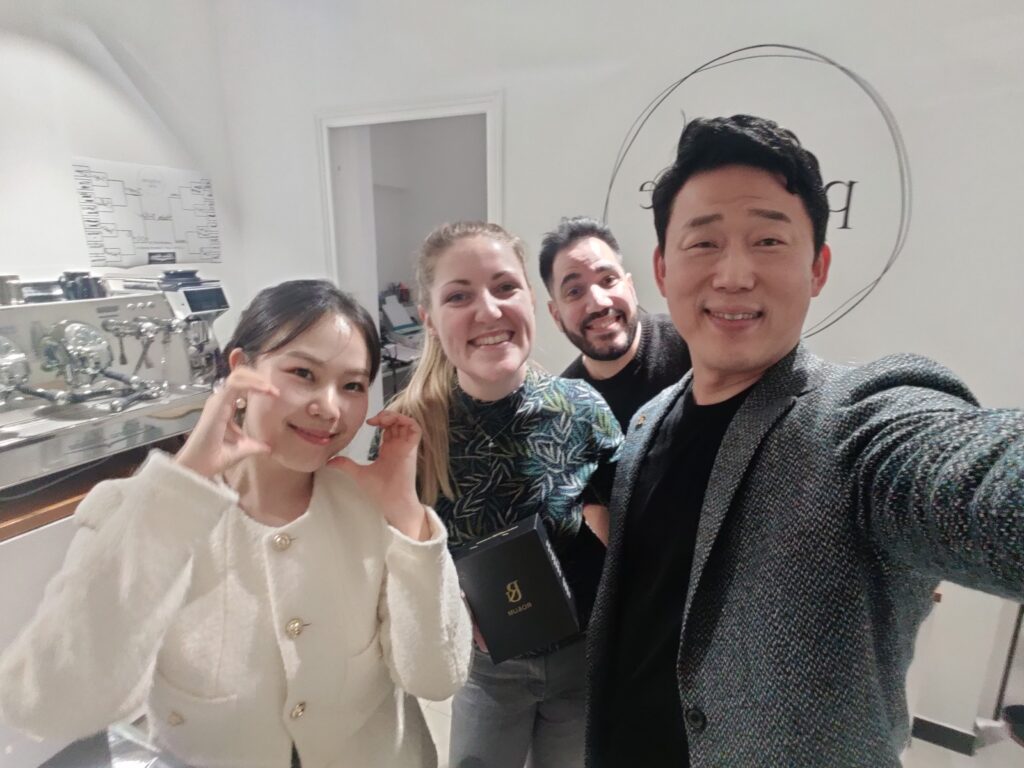
It would be obvious to answer latte art, but I think it’s a close call between the art of making an espresso and the beauty of doing latte art. I think that anyone should know the basics of espresso first: the origin of the beans, their treatment, roast level, extraction… I love teaching them both!!
What are some common misconceptions about our industry that you’ve encountered, and how do you address them?
In France, a common misconception is how to make ´an allongé´ (which is basically anything between a lungo and an americano). People expect you to push the button a second time to extract “more” coffee; they even ask for this in specialty cafés. Obviously, this is problematic for baristas. Usually, I try to inform the customer about the difference in taste and prepare them a well-extracted espresso with hot water. Most of the time, the customer will taste the difference, and they won’t ask again for a double-extracted espresso – mission accomplished!
You have some amazing achievements in championships. Can you tell us more about them?
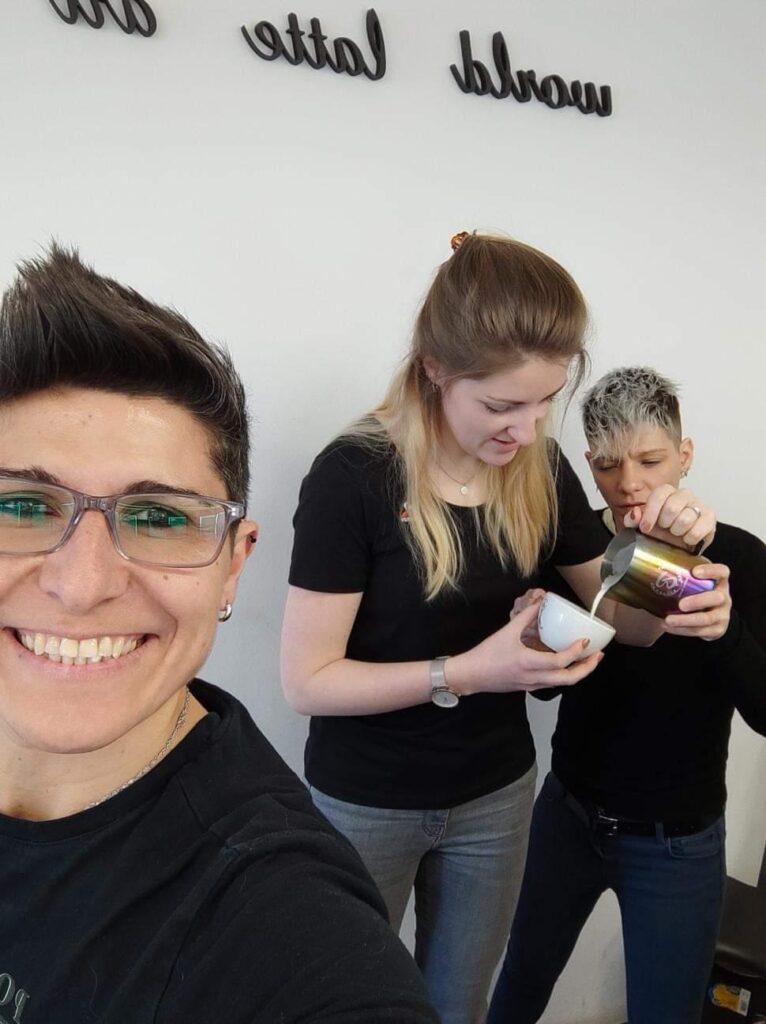
I have participated 3 times in the French Latte Art Championship, where I have reached 4th place, 2nd place and first place in 2025! I have always liked to challenge myself and push my skills to their maximum potential, so one day I decided that I wanted to pour crazy free-pours (the seahorse was the design that made me want to start). To try and achieve my goal, I took things seriously; I went to train with Manuela Fensore and Carmen Clemente in Milan, and later also with Um-Paul and Aurora, who came to France. It has been wild, especially last year, when I won and became French Champion.
What are the next championships you’d like to compete in?
Even though I am not entirely sure, I am always thinking about another Latte Art Championship (because I simply miss pouring Latte Art). Otherwise, I have been thinking a bit about the Barista Championship, to continue to challenge myself and to get out of my comfort zone. But for this one, we will see…
What, in your opinion, is the most important thing to have in mind when you start to compete in coffee championships?
Firstly, I would like to encourage anyone who would like to participate in championships; this is such a good way of pushing your coffee skills to a higher level. That being said, I’d say that you need to be 100% sure, because if you want to participate seriously, this is going to take a lot of sacrifices (passion, time, energy, money). If you’re not sure, don’t do it (just yet, your moment will come!).
If there were one piece of knowledge about coffee you’d like everyone to know, what would that be?
Coffee isn’t always bitter! With a bit of knowledge about the terroir and extraction, we can avoid (overly) bitter coffee.
What are your passions and hobbies apart from coffee?
My passions are definitely my cats and my houseplants, and I recently started making art again too, which has been so fun to rediscover!
Where in your city do you find your best inspiration?
I recently moved next to a forest, so I love having walks there to clear my head, slow down and to get inspired for coming projects. Best without music, just listening to the birds! If you are lucky enough, like me, and you do live next to nature, take your chance! Disconnecting does a lot of good.
What coffee challenges are you looking forward to?
I recently just launched my own website for my company – 29 coffees. Through here, I hope to receive some exciting new projects to work on, as well as the projects that I am already working on. And I might have a chance of opening a coffee shop of my own… But I will just leave that there, cheers!

Quick Fire Questions for Inger Wieringa:
Filter coffee or espresso-based?
Espresso-based, to be able to make latte art!
Milk coffee or black coffee?
MILKY, of course!
The most underrated coffee drink?
A well-extracted espresso.
The most underrated coffee brewer?
The AeroPress.
How do you make coffee at home?
I make flat whites in cat-cups.
Favourite piece of barista equipment?
Milk pitchers, obviously!
No.1 café in Europe that every coffee geek should visit?
Forêt-forêt in Paris (plants & coffee, OMG)