
Fátima Félix dos Santos came to coffee the long way around. Before she ever pulled a shot or cupped a coffee, she was 22 years old and working in psychosocial rehabilitation, sitting with the most vulnerable people in the healthcare system while finishing her Master’s degree in Clinical Psychology. That foundation, learning to listen deeply, to read people, and to understand the systems that shape human behaviour, never left her. It simply found a new home. Fifteen years later, it lives inside everything she does in coffee.
Today, Fátima works as a freelancer across consultancy, training, and sensory education, carrying with her the rare combination of a Q Grader’s palate and a psychologist’s understanding of people. That background shapes everything about how she sees the coffee industry: its structures, its silences, and the emotional labour it quietly demands from the people working within it. She was recently part of a panel on mental health in coffee, a subject she approaches not as a trend or a talking point, but as something she has lived from both sides, as a professional trained to recognize patterns of exhaustion and as someone who understands, firsthand, what it means to reassess your relationship with work and find your way back to purpose.
Her perspective is uncomfortably honest and deeply necessary. She talks about the romanticisation of passion as a tool of exploitation, about the colonial roots that the industry prefers not to examine too closely, and about the urgent need to place human dignity at the centre of coffee rather than treating it as an afterthought. Fátima is not interested in making coffee look good. She is interested in making it more humane.
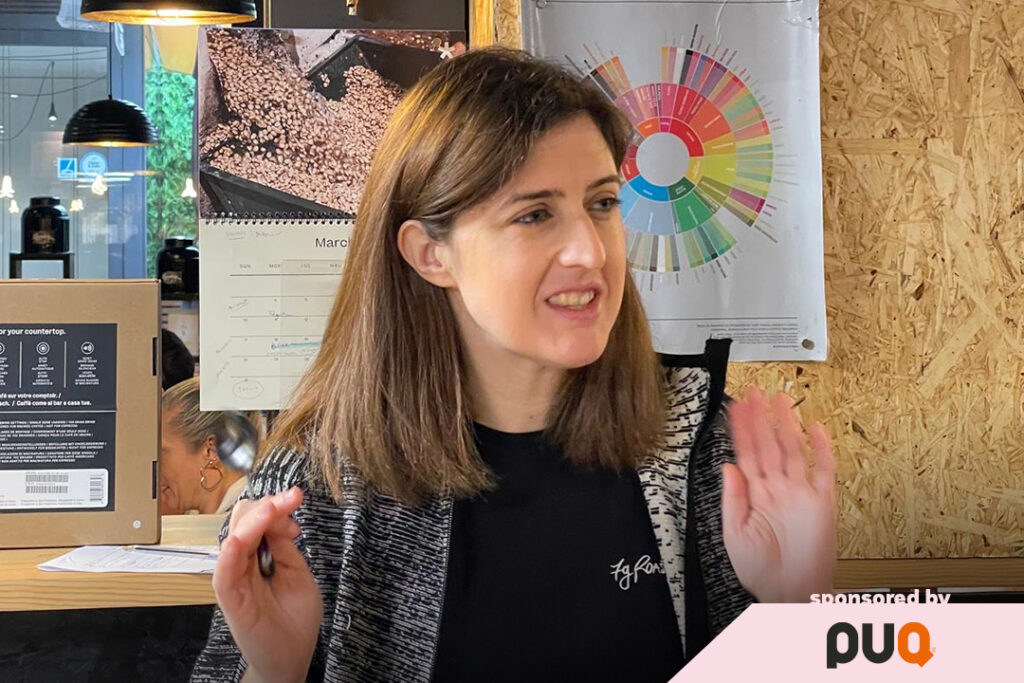
Fátima, what is your first memory with coffee?
A big part of my family has always been connected to the restaurant and café world in one way or another. Some of my earliest memories, when I was around four or five years old, are of visiting them at their workplaces, restaurants and cafés full of movement, noise, and familiar smells. I would always ask for a ´garoto´, the Portuguese version of what you might call a babycino. It’s a small espresso cup with warm milk and just a drop of coffee. I remember feeling very grown-up holding that tiny cup, surrounded by the rhythm of service and conversation. That’s probably where my connection with coffee really began.
What inspired you to pursue a career in the coffee industry, and how did you get started?
When I first started working with coffee, it wasn’t driven by passion; it was simply out of necessity. At the time, I was finishing my Master’s degree in Clinical Psychology and working in psychosocial rehabilitation with people living with psychiatric conditions.
It was an intense period. I was only 22, but I already felt completely overwhelmed by work. I started to disconnect, not just from my job, but from life in general. Then, almost by chance, I made a radical decision: I left everything behind and moved to London to start from zero. To support myself and pay the bills, I got a job in a café. And that’s how coffee entered my life, not as a dream, but as a lifeline during a moment of big personal change.
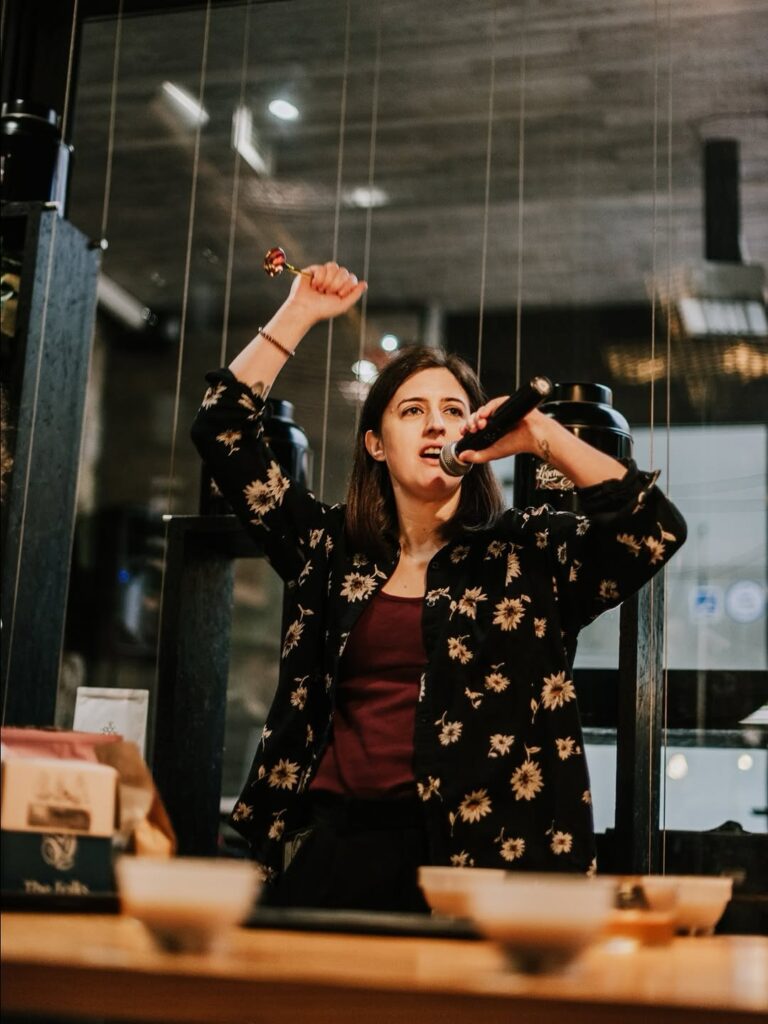
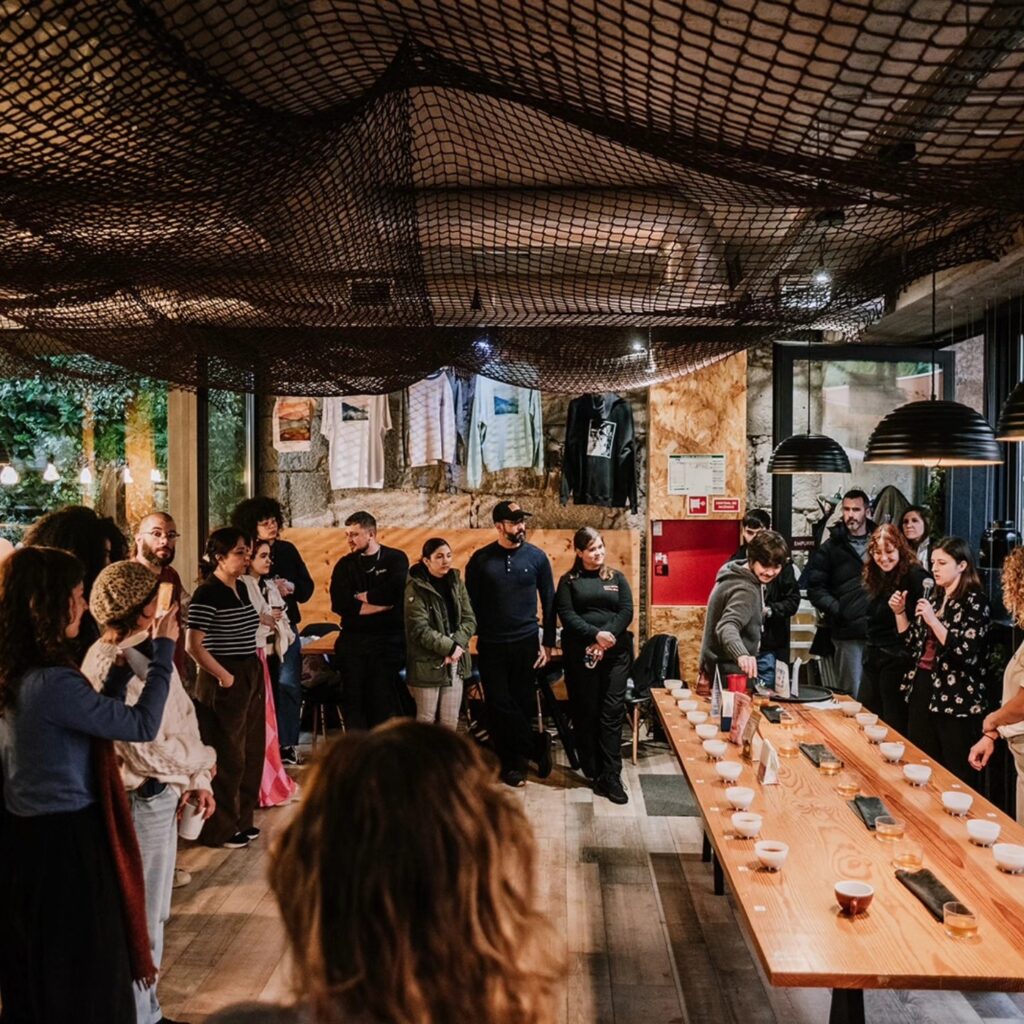
Dear Fátima, please walk us through your career.
I actually started my professional path far from coffee. I was working in psychosocial rehabilitation with people living with psychiatric conditions while finishing my Master’s degree in Clinical Psychology.
Then came a turning point when I moved to London and started from scratch. I still remember a defining moment during that time: my first specialty coffee experience at Prufrock. I ordered an Ethiopian coffee, and it completely changed my perception of what coffee could be. It was the first time I tasted something so complex, expressive, and unexpected in a cup.
From that moment on, I became curious, almost obsessed. I started exploring London through its coffee scene, visiting places like Monmouth, Caravan, Origin, and many others. Each cup was a discovery, and that curiosity quickly turned into passion. After that year, I returned to Portugal to complete my Master’s degree and started working at Starbucks. It was an important phase where I gained structure, consistency, and a deeper understanding of coffee service at scale.
Following Starbucks, I spent some time managing a family café. But everything really shifted when the first specialty coffee shop opened in my area. I immediately joined the project. That’s where I truly entered the world of specialty coffee and began working as a roaster for the first time.
From there, I moved into consultancy, working on a project in Porto. I was later invited to stay on and take on a broader role, managing the space, training teams, and roasting coffee. Soon after, I was invited to join 7g Roaster, where I spent more than six years. It was a very important chapter in my career, allowing me to grow deeply in roasting, education, and project development.
Now, I’m working as a freelancer, focusing on projects that truly align with my values and vision. Throughout all these stages, I’ve always been committed to continuous learning, investing in training, certifications, and constantly deepening my understanding of coffee.
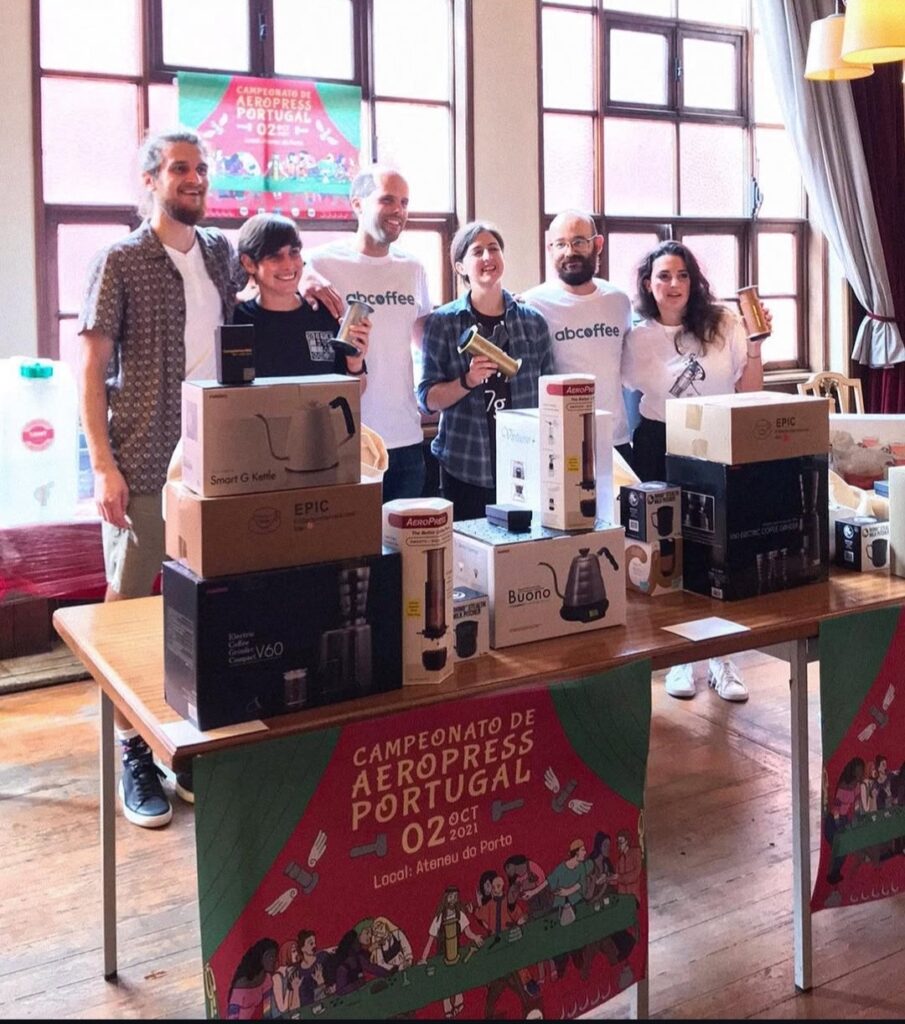
In what kind of projects do you like to get involved?
At the moment, I see myself exploring and actively searching for opportunities that truly resonate with who I am and what I believe in. I continue to collaborate on different projects within coffee, supporting businesses through consultancy, helping improve quality, structure, and team training. But more than defining myself by a specific role, I’m allowing space for things to unfold more organically.
How do you stay motivated and inspired to keep improving your coffee-making skills?
This phase has also given me something very valuable: time and availability for others. And through that, I’ve been learning a lot, not just about coffee, but about people, perspectives, and the importance of listening.
Over time, and with a certain maturity, my relationship with coffee has evolved. What once began as a sensory passion, a discovery of flavours, aromas, and craftsmanship, has shifted into something much broader and more collective.
Today, my main purpose is to contribute to education, to critical thinking, and to meaningful conversations within the coffee industry. I’m increasingly interested in questioning the systems we are part of: the social, political, and economic realities that shape coffee and the direction the industry is heading. More than helping individual businesses grow, what truly fulfils me is participating in conversations that help shape awareness. Because in the end, coffee is not just about the product, it’s about people. And without people, there is no coffee.
Part of what led me to step away from psychology was a growing sense of disillusionment with how undervalued it was within the healthcare system. At the time, it felt like meaningful, human-centred work was often overlooked or underprioritized. I do recognise that, over the past 15 years, things have improved, but back then, it was difficult to see a sustainable or fulfilling path forward.
Interestingly, something similar began to happen later in my journey with coffee. What had once been a deep passion slowly started to fade, as I felt increasingly drained by the pace and demands of the industry. Stepping away created distance, and that distance gave me clarity. It allowed me to reassess my priorities, reconnect with myself, and observe not only my own path, but also how the world around us has been changing.
With that shift came new reflections. A growing awareness that, more than ever, we need to reclaim human value to bring care, presence, and emotional depth back into the centre of what we do. I’ve come to see affection, connection, and emotional intelligence not as soft or secondary elements, but as something deeply transformative, even revolutionary and a powerful catalyst for change.
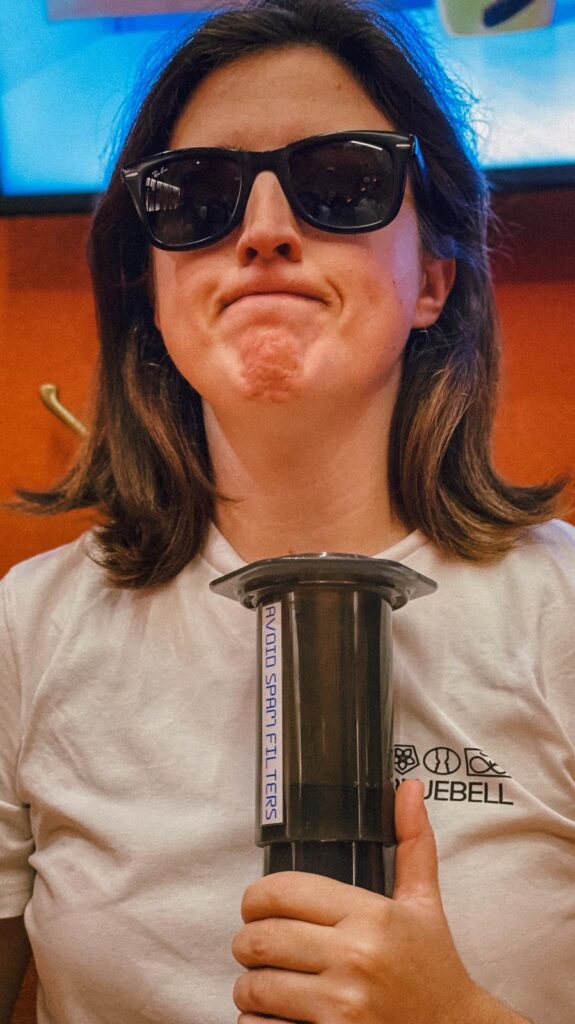
What are the 3 things you miss the most from the years working as a barista?
I think maybe because I was younger at the time, but definitely the energy. There was a kind of constant movement, intensity, and adrenaline that felt very alive, even on the hardest days. I also really miss the sense of companionship. The long hours, the pressure, the chaos behind the bar, all of that had a way of bringing people together. There’s a unique bond that forms when you’re going through those challenges side by side, and that’s something very special. And I miss the simplicity of it. The clarity of purpose in those moments: making coffee, serving people, being fully present in a craft. There’s something very grounding about that rhythm, even when everything else feels fast-paced.
What is the one thing you don´t miss from the years working as a barista?
What I don’t miss the most is how little I knew, at the time, about managing my own energy and boundaries. I wasn’t always gentle with myself, and I often allowed others to push beyond my limits, which, in turn, sometimes made me more reactive or impulsive than I would have liked.
There were moments when I didn’t feel taken seriously, and that can slowly wear you down. And, as a woman, it could also be very difficult to navigate environments where misogyny and moral harassment were present. Those experiences add an extra layer of pressure and exhaustion that often goes unspoken, but has a real impact over time. And of course, dealing with rude or abusive customers is something I definitely don’t miss. It’s part of the job, but it can be incredibly draining over time.
Looking back, it’s less about the role itself and more about how I was navigating it. That awareness is something I carry with me now, and it’s changed the way I choose to work and relate to others.
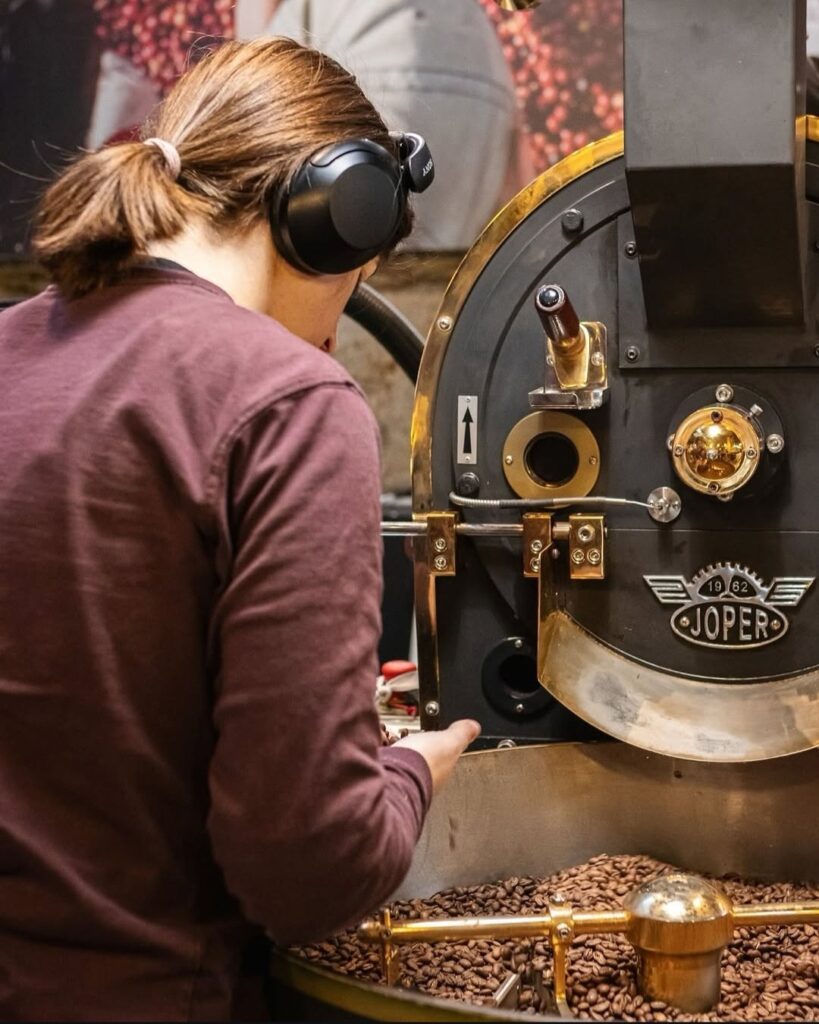
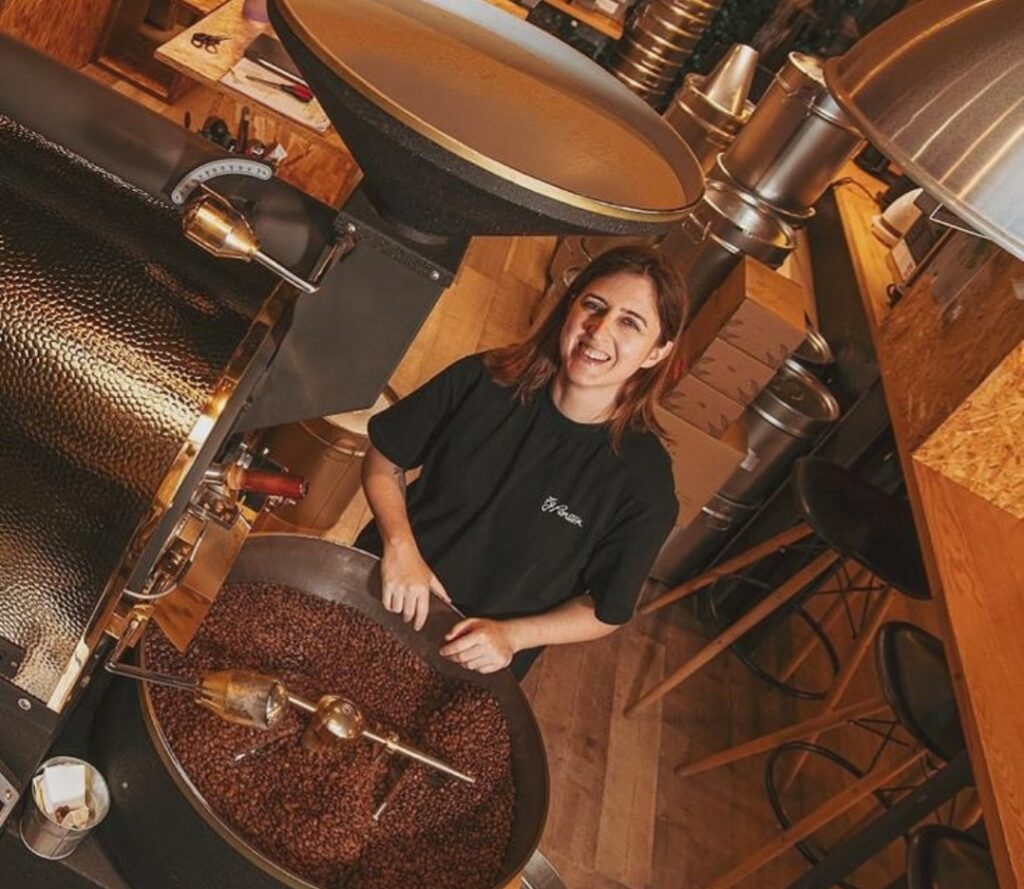
You organised recently, with other friends, a panel on mental health in coffee. Can you let us know more about it?
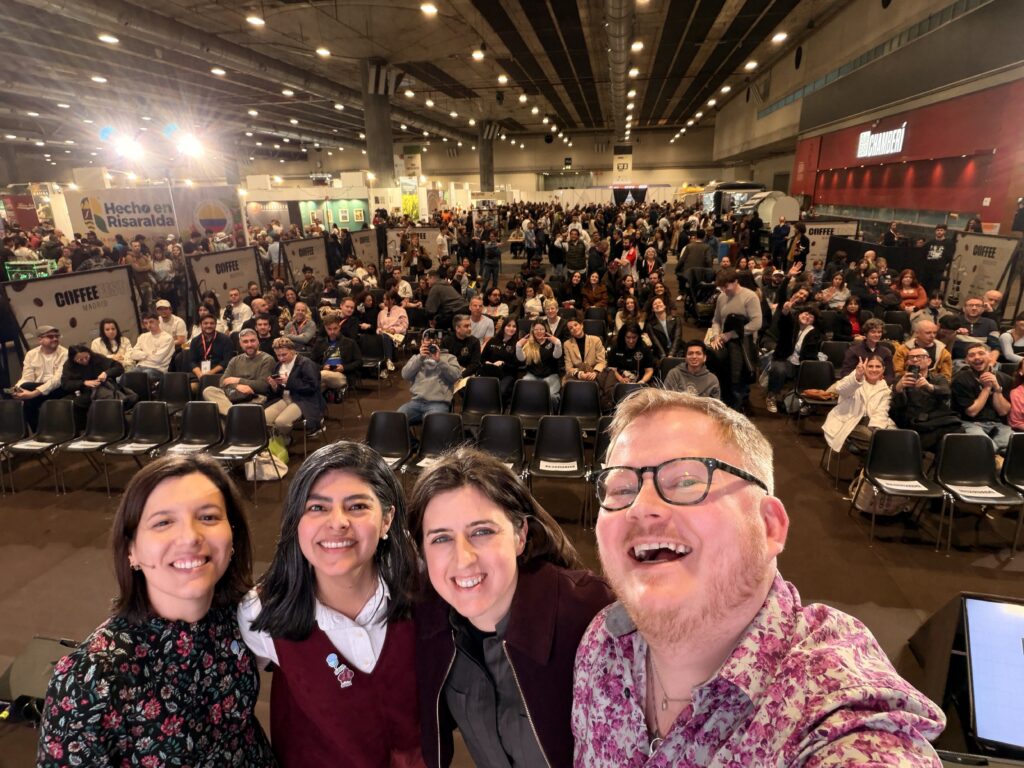
It was honestly a huge privilege to be part of that panel, alongside such thoughtful and necessary voices in the industry, all coming together around a purpose that feels deeply important.
Through many conversations I’ve been having over time, I started to realise something quite striking: as workers in this industry, we often struggle with very similar challenges: stress, burnout, pressure, identity, etc. Yet for some reason, we tend to feel completely alone in them. As if what we’re going through is unique, or something we shouldn’t share. And it’s exactly that lack of sharing that keeps us stuck. Because it’s only when we open up about our experiences, fears, and vulnerabilities that we can begin to build collective understanding, and from there, real strategies and solutions.
That’s what this panel aimed to be: a starting point. A space for awareness around mental health in coffee, but also a reminder that we are not alone, even in a world that increasingly feels disconnected, individualistic, and focused on appearances and short-form, fast content. I also know how challenging it can be nowadays to ask for help. But if we don’t speak about what we’re going through, suffering becomes normalised, and the emotional labour we carry remains invisible.
That’s why initiatives and projects like SANA are so important. They help bring visibility to these issues and contribute to breaking down structural problems that go far beyond coffee itself. So the four of us (Ana, Lúcia, Łukasz and I) saw an opportunity to initiate something that we truly believe can grow into a meaningful movement. A movement that calls attention to the issues we’ve collectively been avoiding, or pretending not to see.
What kind of impact would you like such panels to have in the coffee industry?
I would like these kinds of panels to create a real shift in how we relate to ourselves and to each other within the coffee industry.
First, by normalising conversations around mental health: making it easier for people to speak openly about stress, burnout, and self-doubt, without fear of judgment. If we can create spaces where vulnerability is not seen as weakness, but as a starting point for connection, that already changes a lot.
I also hope they encourage a more collective mindset. So many of us go through similar struggles, yet we carry them in isolation. These panels can help break that illusion and remind us that we’re not alone, and that together, we can actually think about better ways of working and supporting each other.
On a deeper level, I would like them to challenge the structures of the industry itself. To question what we normalise: overwork, invisibility, lack of boundaries, and environments that don’t always feel safe or respectful. Because mental health is not just an individual responsibility, it’s also shaped by the systems we are part of.
There’s also a paradox that I keep reflecting on: in many ways, the world feels harsher, more individualistic, and increasingly dehumanised. Yet, at the same time, I do feel that more people are beginning to say no, to set boundaries, and to show their vulnerability more openly. And that, to me, is a powerful sign of change.
I think it’s also important to be honest about the foundations of coffee itself. Coffee has never truly been a human industry. Its roots are deeply tied to colonialism and systems of exploitation. So rather than ´bringing humanity back´, I believe our responsibility today is to place coffee where it should have always been: grounded in humanisation, in dignity, and in genuine relationships.
What do you think each one of us can do to improve mental wellness in the coffee community?
I think it starts with small, individual shifts that, collectively, can have a meaningful impact. It’s about paying attention to the details. In the same way we carefully think about the mineral composition of the water we use for coffee, we can also take the time to ask: how am I, really? And how are the people around me?
That awareness needs to follow a dynamic from the inside out. Taking responsibility for our internal state, while being mindful not to absorb and carry all the external pressures into ourselves, because when we do, we end up feeding a system that normalises exhaustion and illness.
Of course, this also means stepping into discomfort. And that’s another important point: comfort can be an illusion. When we chase it too much, we can become almost obsessive in trying to maintain it, avoiding the very conversations and reflections that actually help us grow. Being more honest with ourselves and with others is essential. Allowing space to speak openly about how we’re feeling, including when we’re struggling, and being willing to listen without judgment. That alone can break a lot of the isolation many people feel.
Setting boundaries is another key part. Learning to say no, to respect our own limits, and recognising that rest is not a luxury but a necessity. And just as importantly, respecting the boundaries of others, too. And finally, staying connected. Reaching out, checking in, creating moments of real conversation beyond work. Because in the end, mental wellness is not something we build alone; it’s something we sustain through relationships.
Did your background in psychology change the way you view emotional burnout in the coffee world?
Yes, very much. My background in psychology, especially from a cognitive-behavioural perspective, deeply shaped the way I understand emotional burnout in the coffee world. Having worked closely with people living with severe psychiatric conditions, spending time in psychiatric hospitals and rehabilitation institutions, and even being confronted with suicide cases at a very close level, gave me a very grounded and, at times, stark understanding of mental health. It taught me to recognise patterns, how thoughts, behaviours, and environments interact, and how prolonged stress, when unaddressed, can evolve into something much more serious.
Because of that, I tend to look at burnout in coffee not as an isolated issue, but as part of a wider system. The long hours, the pressure, the emotional labour, the lack of boundaries, etc., all of these elements can reinforce cycles that are very familiar from a cognitive-behavioural point of view. At the same time, my experience also brought a strong awareness of privilege. I’ve worked in very under-resourced contexts, where access to care and basic support was extremely limited. And I’ve had the opportunity to travel and witness different realities, for example, in Brazil, within a criminal psychology context, where it becomes very clear how social policies, inequality, and structural conditions can shape behaviour, life trajectories, opportunities, and ultimately mental health outcomes.
All of this makes me approach burnout with both sensitivity and perspective. Sensitivity, because I know how real and serious it can become. And perspective, because I also understand that our struggles don’t exist in a vacuum, they are influenced by the systems we are part of, and by the conditions we often take for granted. So in a way, psychology gave me both the tools to understand burnout and the responsibility to question it more deeply.
What are some common misconceptions about our industry that you’ve encountered, and how do you address them?
One of the most common misconceptions is that working in coffee is somehow “easy” or purely aesthetic, that it’s just about making nice drinks, being in a visually pleasing space, and enjoying a certain lifestyle. From the outside, it can look creative and relaxed, but in reality, it’s physically demanding, emotionally intense, and often quite precarious.
Another misconception is the romanticisation of passion. There’s this idea that if you love what you do, you should be willing to sacrifice everything for it: long hours, low pay, instability. Passion is beautiful, but it can also be easily exploited if we don’t question that narrative. Burnout, stress, and exhaustion are not part of the job. And they shouldn´t be something to be endured but rather addressed.
I also think there’s a deep lack of awareness around the historical context of coffee. It’s often presented as a refined, curated product, detached from its origins, when in fact, its roots are deeply tied to colonialism and systems of exploitation. Over time, coffee has been transformed into something that fits contemporary narratives, especially through social media, where it becomes more about image and performance than about its agricultural essence and the people behind it.
That shift also feeds into a certain snobbery within the industry, the idea that only specific sensory profiles are valid or desirable, often aligned with a narrow, standardised perspective. But the world is much more diverse than that: culturally, geographically, and sensorially. By reinforcing a single way of tasting or valuing coffee, we risk excluding other traditions, preferences, and identities. In that sense, the industry can sometimes lean toward a very Eurocentric and Americanized lens, shaping what is considered ´quality´ or ´correct´, without always questioning where those standards come from or who they represent.
At the same time, it’s important to remember that coffee is also a business, and like any business, it needs to be sustainable. It’s not easy to be an entrepreneur in this industry. Margins are tight, pressure is high, and there’s a constant balancing act between quality, ethics, and survival. I also see a growing misconception from within the industry itself: people wanting to be baristas, but not always understanding the responsibility that comes with it. Expecting recognition without necessarily contributing to the business in a meaningful way. And I think that’s an important conversation to have: we all have a role to play. Being active in our own careers, taking initiative, contributing daily, whether through consistency, care, or responsibility, is just as important as passion or skill.
How I try to respond to these misconceptions is mainly through conversation and education. By bringing context back into the conversation: historical, social, and human. And by creating space for more plurality in how we understand and experience coffee. It’s not about rejecting coffee, but about repositioning it. Not just as a product or an aesthetic, but as something rooted in land, in people, and in relationships, with all the complexity that comes with it.
If there were one piece of knowledge about coffee or working in coffee you’d like everyone to know, what would that be?
If there’s one thing I wish everyone understood about coffee, it’s how much time, risk, and investment it takes for a producer to arrive at the final product we so easily consume. Coffee is an extremely volatile commodity, and behind it are years of work, uncertainty, and financial vulnerability. From planting to harvesting, processing, and exporting, every step requires resources, knowledge, and resilience, often without any guarantee of fair return. And yet, in many consuming countries, coffee is taken for granted. In Portugal, for example, with its relatively recent colonial past (a topic that is still not widely discussed and often remains a kind of taboo), there can be this unconscious perception that coffee somehow “belongs” to us, or simply appears. It’s treated almost like water: always available, expected, and undervalued.
Part of that comes from how disconnected we are from its origin. Most people only know coffee as a final product in a cup, not as an agricultural product, or even as a fruit. And the truth is, this system is not sustainable, at least not in the way it has been functioning. Coffee, as we know it today, will not be here forever if these imbalances continue. So if there’s one thing, it’s this awareness: that coffee is not just something that exists for our consumption. It is the result of human labour, land, time, and risk, and understanding that can fundamentally change the way we value it.
What are your passions and hobbies apart from coffee?
I’m very connected to physical activity; it always helps me stay grounded (and, as a hobby, I’m also trying to avoid injuries as much as possible!). Lately, I’ve been allowing myself to try more things, especially running and reading more, which have become important parts of my routine. In the same way that I take pleasure in coffee cuppings, I also look for diversity in my hobbies, exploring different rhythms, experiences, and ways of being. If I could, I would travel more, but since that’s not always possible, I find that through reading, cooking, eating and listening to music.
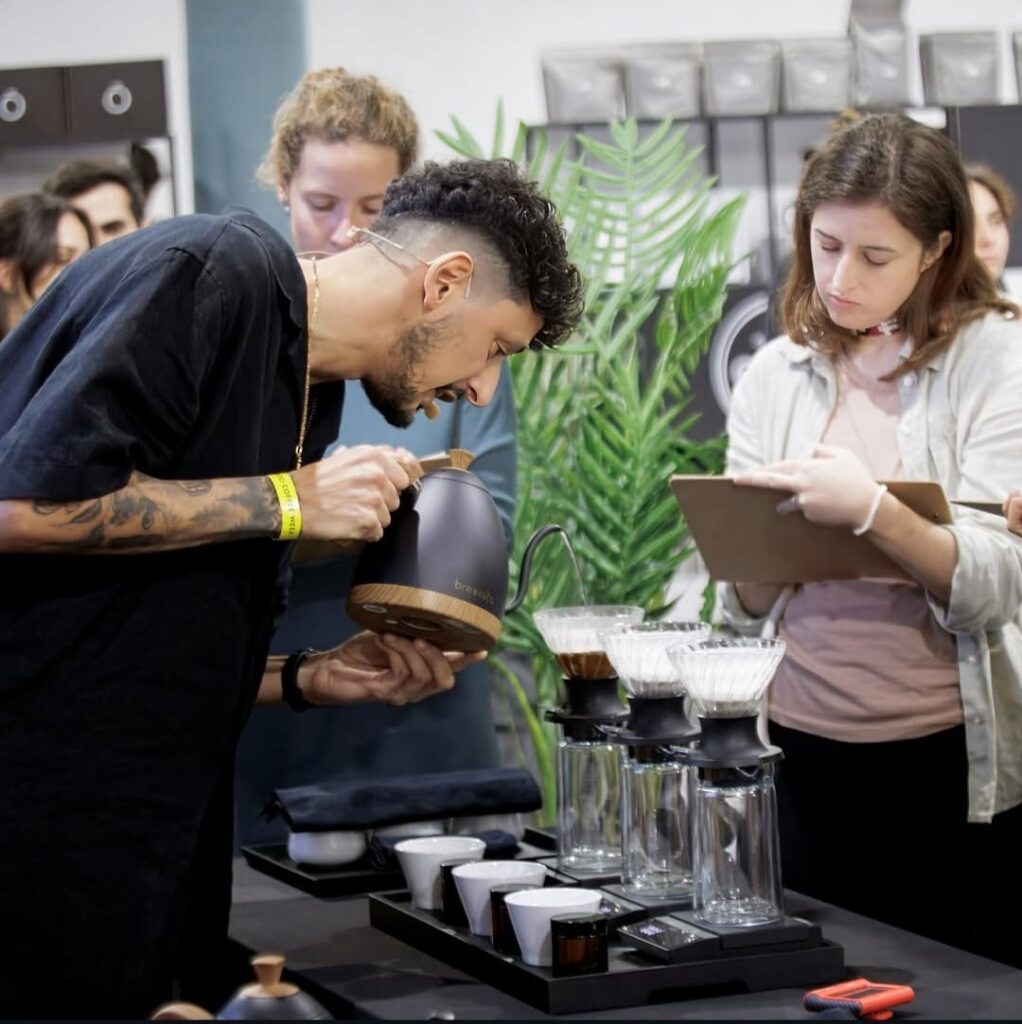
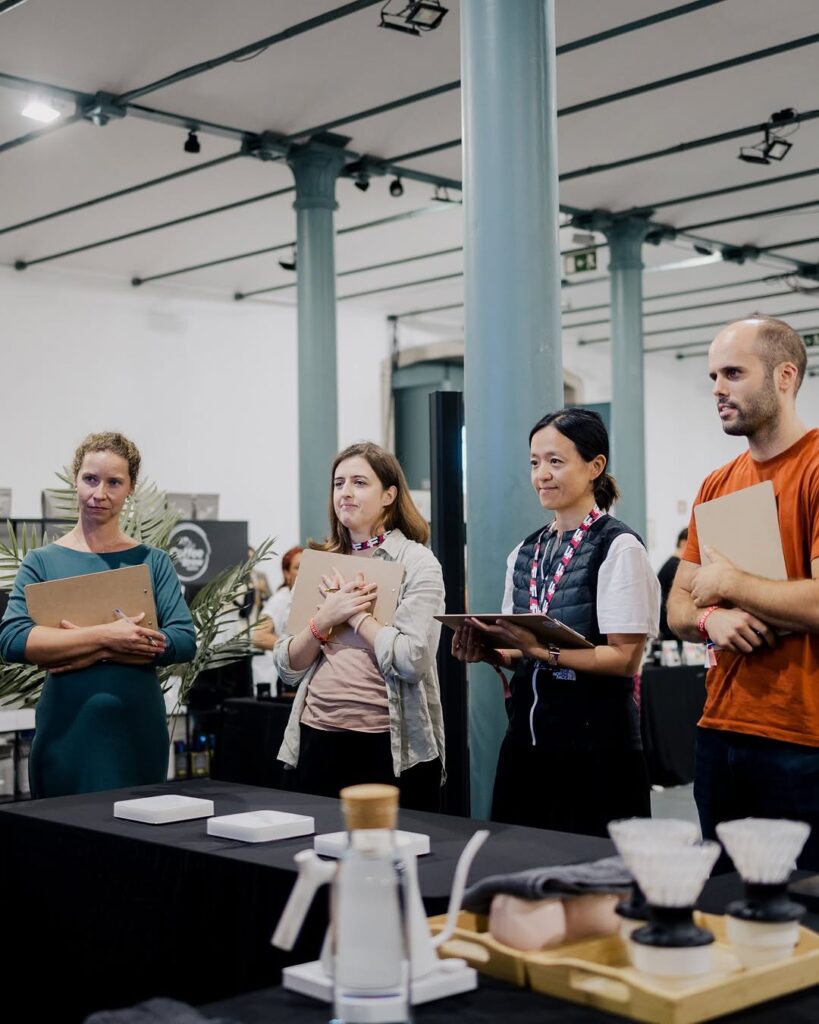
Where in Portugal do you find your best inspiration?
The North of Portugal has always been a part of me. Even though I was born and raised in Lisbon, my heritage is from here, so there has always been a quiet connection to this place. I’ve always felt very close to the land, to what it gives, to its rhythms, and to the people shaped by it. Many of my childhood holidays were spent in the Douro Valley, and that left a deep mark on me. I’ve always felt a strong connection to the Douro, to its landscapes and its people.
So moving to Porto nine years ago felt, in many ways, like a reconnection. Being here has a calming effect on me, almost like a kind of balm. It may sound a bit cliché, but that’s where I find my inspiration: in the simplicity of the landscape, in the slower pace, and in that sense of belonging that feels both old and new at the same time.
What coffee challenges are you looking forward to?
At the moment, I’m open and curious about different kinds of challenges. I’m interested in projects related to sensory work and quality control, working more deeply with evaluation, and staying connected to the product itself. That side of coffee still excites me a lot. At the same time, I’m open to collaborations across different areas, whether that’s training, consultancy or education. I enjoy working with people and adapting to different contexts. I’m not in a rush to define something very specific right now. I’m exploring, staying open, and seeing what feels right, both in terms of the work itself and the people I get to work with.

Quick Fire Questions for Fátima Félix dos Santos:
Filter coffee or espresso-based?
Filter coffee.
Milk coffee or black coffee?
Black.
The most underrated coffee drink?
Batch brew.
The most underrated coffee brewer?
French Press.
Favourite piece of barista equipment?
A small toolbox, we never know when we’ll have to open a coffee grinder 😀
How do you make coffee at home?
V60 and Clever dripper.
No.1 café in Europe that every coffee geek should visit?
Prufrock Coffee, London.
What’s your dream place to have a coffee tour?
São Paulo feels really exciting at the moment, from the coffees I’ve been coming across!