
Ana Rubio Ramírez, a proud extremeña, did not fall into coffee through a barista shift or a competition stage. Ana came in through language. A translator and editor by training, she noticed early on that the growing Spanish-speaking coffee community had almost no access to quality coffee writing in their own language. So she built a bridge: translating books, creating content, and eventually mapping the entire Spanish specialty coffee scene during a pandemic lockdown in a project that has since reached four million visits. Coffee gave her something to translate. Translation gave coffee a much wider audience and ways to connect.
Today, Ana runs Coffee & Translation alongside her role as Expansion and Client Relations Manager at Rebeldes Coffee Madrid, a roastery she helped bring to the capital together with her business partner Javier. She is an SCA judge, an Alpro Barista ambassador, and the person behind the most widely used specialty coffee map in Spain and Portugal. She has translated James Hoffmann into Spanish, became an active member of IWCA Spain, and spent years quietly asking why women who make up over half of the country’s coffee workforce are still so rarely seen on competition stages. But she didn´t stop at the level of contemplation; she encouraged many of them to compete, engage, and get seen!
What connects all of it, the map, the books, the roastery, the judging, the advocacy, is not ambition so much as a consistent desire to make coffee & community more accessible. Ana is drawn to gaps: in information, in visibility, in opportunity. And once she finds one, she tends to do something about it!
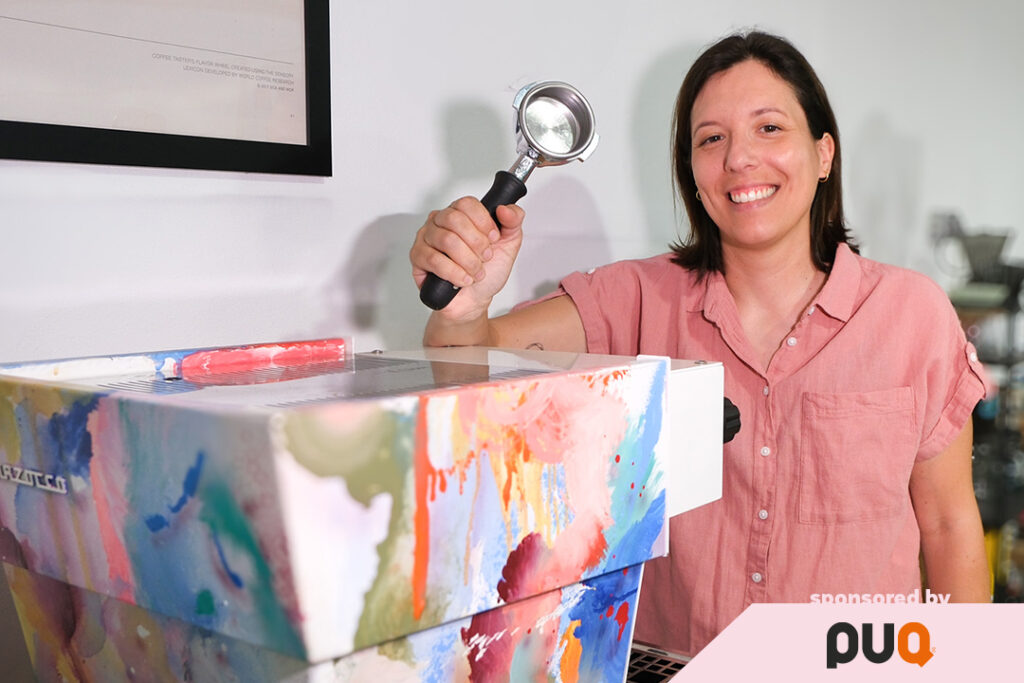
Ana, what is your first memory with coffee? And what’s the cup of coffee that changed everything for you?
To be honest, I didn’t really drink coffee as a teenager or during university. I studied in Granada, where there is a strong tradition of Moroccan tea houses, so coffee was never a big part of my life then. My interest in coffee started when the third-wave movement began to arrive in Spain and the first specialty coffee shops opened in Madrid. I still clearly remember having my first filter coffee at Hanso Café. It was a V60, and I found it absolutely amazing. That was the moment I fell down the coffee rabbit hole.
What inspired you to pursue a career in the coffee industry, and how did you get started? What did you do before coffee?
My inspiration came from the chance to bring together two of my passions. Before working in coffee, I was a translator and editor – and I still am. Coffee was already part of my everyday life, almost a ritual, but as I became more interested in it, I realised how little high-quality coffee content was available in Spanish.
There were very few books, magazines or online resources translated into Spanish, especially when it came to more technical subjects. That created a real gap: a large part of the Spanish-speaking coffee community was missing information that could be useful and relevant to their work and learning. I felt there was a need to build a bridge between English-language coffee knowledge and Spanish-speaking readers, so I began by translating and creating coffee-related content in Spanish. That was my way into the industry, and it eventually grew into a much broader connection with coffee.
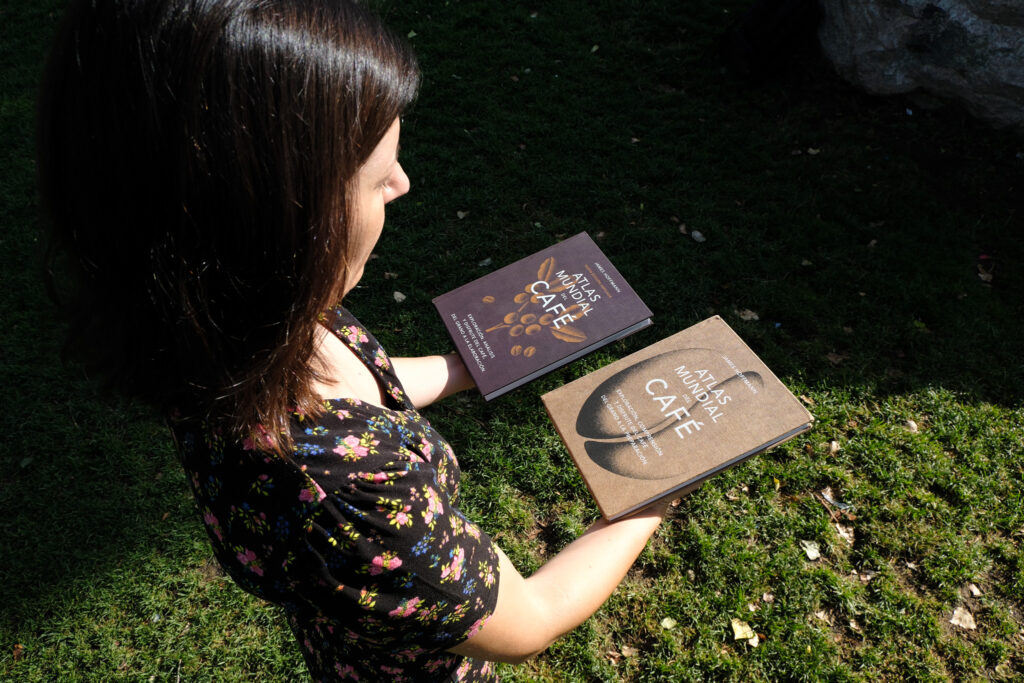
You translated James Hoffmann’s books into Spanish. What’s the hardest idea to translate from English coffee writing into Spanish, not linguistically, but conceptually?
The hardest part was not translating a particular word or idea, but a way of looking at coffee – and, in Hoffmann’s case, a very distinctive way of writing about it: dry British humour and his ability to make quite complex ideas feel clear and approachable. That balance is difficult to recreate in Spanish because humour and tone cannot be transferred word by word.
On the other hand, a lot of specialty coffee writing in English comes from a culture that is already comfortable discussing origin, variety, processing, roasting or extraction. In Spanish, I often had to create that frame more deliberately. The challenge was to preserve that complexity without making coffee feel inaccessible or overly technical. James is very good at making knowledge feel inviting, and that was something I wanted to protect in the Spanish book.
Among all the books you worked on, which one was the most fun to translate? And which one gave you the most satisfaction?
My areas of specialisation are actually quite diverse. I’m a sworn translator, but I first started in the industry working on video game and mobile app localisation. I’ve only translated a couple of books outside the coffee world. The most fun was probably a children’s adaptation of the film Frozen. But the project that gave me the greatest sense of satisfaction was What I Know About Running Coffee Shops, by Colin Harmon. It was my first coffee book, and I honestly didn’t expect him to be so positive about having it translated into Spanish. I really hope it is published in print one day, as it is currently only available as an e-book.
You created the map of specialty cafes in Spain and Portugal at a time when that scene was still finding itself. What gap were you trying to close – and did you expect it to become what it became?
The map began during the pandemic, when coffee shops and small businesses across Spain had to close. Many friends in coffee were going through a very difficult time, but some of them managed to launch online stores almost overnight so they could keep selling bags of coffee to people at home. At first, the map only included specialty coffee shops and roasters selling online. I wanted to make it easier for people to support them and to find good coffee during lockdown. When cafés were allowed to reopen, I started adding physical locations, so the project grew in a very organic way.
The gap I was trying to close was simple: there was no place to discover specialty coffee across Spain. The map soon became useful not only during the pandemic but also when people travelled and wanted to find good coffee away from home.
I definitely never expected it to reach four million visits. What has made it grow is the community around it: people regularly send me new openings, updates and recommendations, and I am very grateful for that. I hope it can continue to be a useful and living resource as the Spanish and Portuguese specialty coffee scene keeps evolving.
Spain was late to specialty coffee compared to the rest of Europe, partly because torrefacto and cheap coffee shaped the national palate for generations. What did it feel like to be building tools for a scene that was still convincing people it existed?
It felt exciting, but also fragile. Specialty coffee in Spain still had a small scene: people were doing very thoughtful work, but it was not always easy for customers to find it or understand what made it different. I do not think the goal was to tell people that traditional coffee culture was wrong or that they needed to be educated. Coffee in Spain is social and deeply rooted in people’s routines. The real challenge was to make space for another way of approaching it: one that invited people to be curious about flavour, origin, processing and the work behind a cup.
A map may seem simple, but it made the coffee scene more visible. Once people could find a good coffee shop in their own neighbourhood or while travelling, they could decide whether they wanted to explore further. I think curiosity has to come from the person drinking coffee; you cannot force it. But you can make the first step less intimidating and more accessible.
Tell us a bit about your roastery Rebeldes.
Rebeldes Coffee was born in Valencia almost four years ago. It was the idea of my business partner, Javier, who had travelled extensively and lived in several countries around the world. While he was living in El Salvador, he became interested in coffee. We met after the pandemic and quickly became friends. We shared many interests and a similar way of understanding coffee, so when Javier decided to expand Rebeldes and open a second roastery in Madrid, he thought I could be the right person to help him out. My role is focused on expanding the project and building relationships with clients, but in a small roastery, you end up doing a bit of everything.
What’s the hardest thing about running a roastery that nobody who romanticises specialty coffee understands?
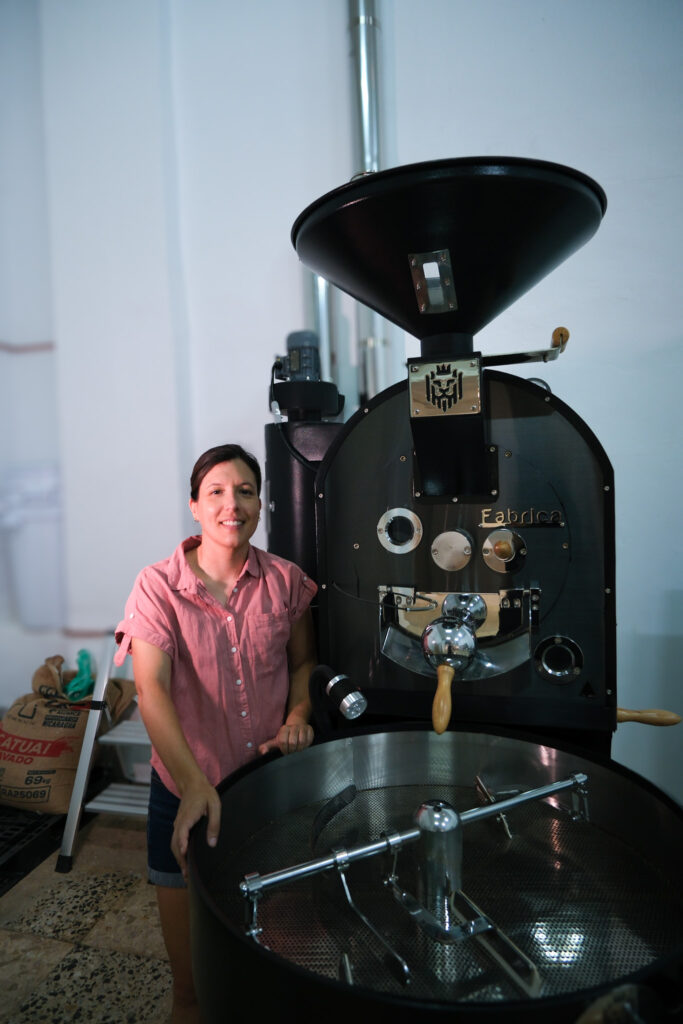
There are many indeed. The least romantic part is that great coffee depends on a huge amount of invisible work: learning, maintenance, stock, schedules, packaging, deliveries, cash flow… nothing of this is particularly poetic, but all affects the cup.
People often imagine roasting as a creative moment in front of a machine. It is that, sometimes, but you have to be attentive without becoming obsessive and practical without losing curiosity. For me, the least romantic but most important part is knowing that consistency is not glamorous. It is repetition, organisation, and care… and that is what makes the beautiful part possible.
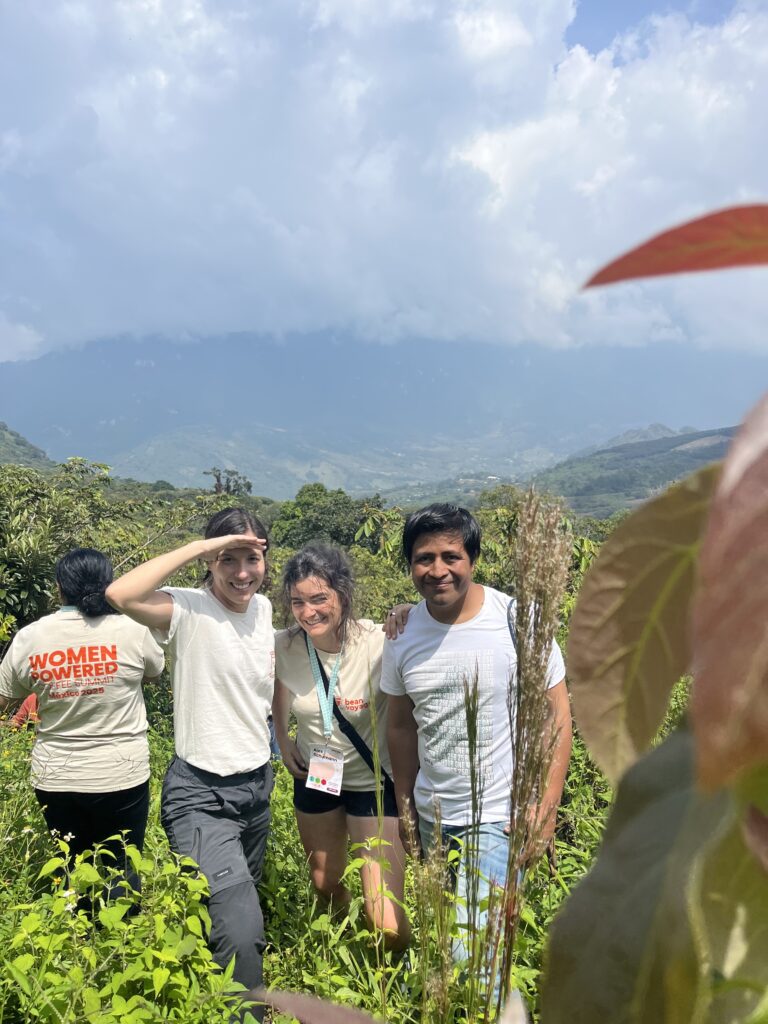
Spain sits in a fascinating position, deeply linked culturally to Latin America, which grows much of the world’s great coffee. Does that connection change how Spaniards relate to where their coffee comes from?
Yes and no. Spain has a deep cultural and historical connection with Latin America, but I don’t think that has always translated into a deeper awareness of where coffee comes from. For a long time, coffee in Spain has been something very everyday and emotional: a quick moment at the bar, a conversation with someone, a pause in the middle of the day, but not necessarily something connected with a specific farm, producer or region.
I feel that specialty coffee is opening that door little by little. When people discover coffees from Colombia, Guatemala, Peru, Mexico or Honduras, there is often a sense of closeness – not only because of the language or cultural ties, but because those stories feel familiar and human. That connection can be a beautiful starting point, but we still need more curiosity, education and respect for the people behind every cup of coffee.
You’ve judged coffee championships across Spain. What would you change about how coffee competitions are structured or judged?
I wouldn’t necessarily change everything, but I do believe we should keep moving towards more consistent judging, with well-trained judges who understand both the rules and the spirit of each competition. Competitors invest a huge amount of time, money and emotional energy into preparing, so they deserve to be evaluated with real criteria, care and fairness.
For me, judging should never be about personal preference. It should be about calibration, transparency and respect for the work behind each performance. I also think that the companies and organisations behind these championships should invest in building teams of people who genuinely understand coffee, not only event production. The more we invest in judge training, coffee knowledge and shared standards, the more meaningful these competitions become for the whole coffee community.
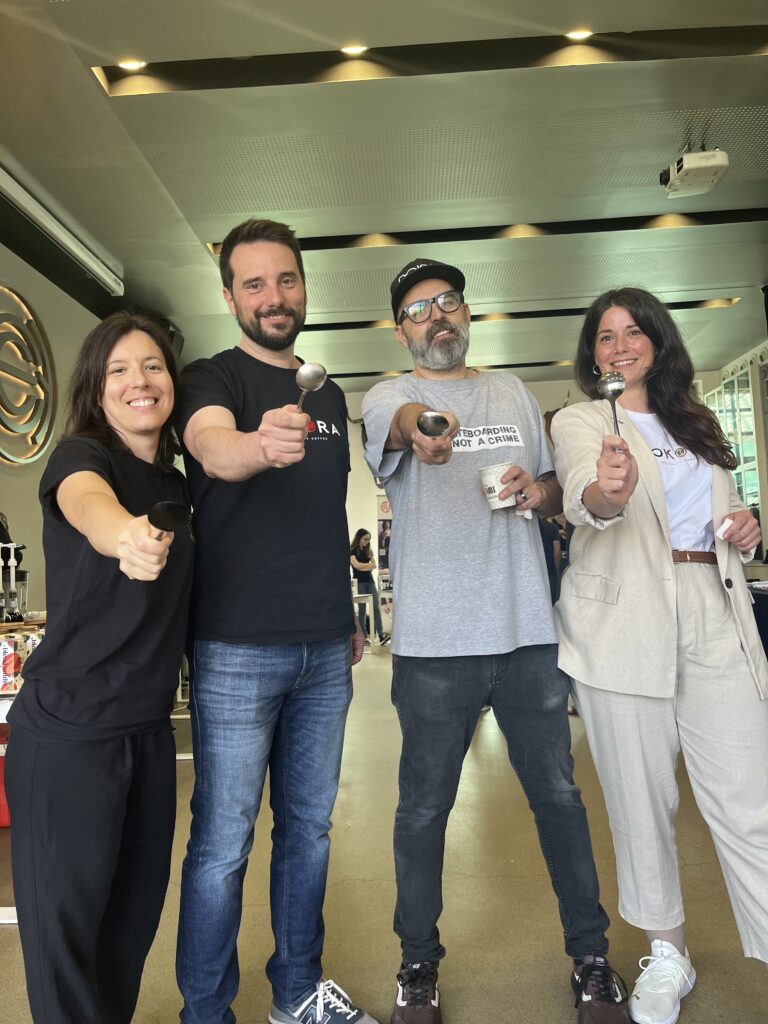
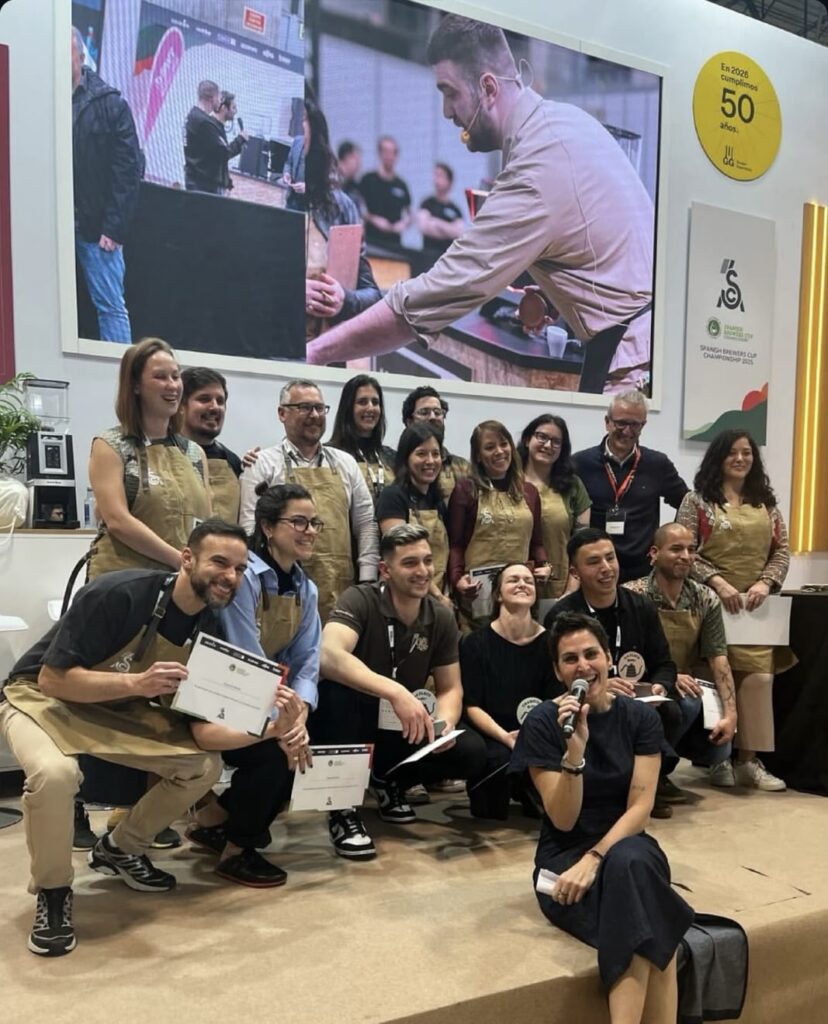
Women make up 54% of Spain’s coffee sector, yet fewer than 5% participate in national championships. As someone who has sat at the judges’ table, what does that gap look and feel like from where you’re sitting?
From the judges’ table, that gap is very visible. You can see that women are present in the coffee industry, working, learning, leading teams and building projects, but when it comes to competitions or more exposed professional spaces, they are still much less represented. So I don’t think it is a question of talent or interest. It is a professional gap. I also think women often carry a stronger sense of imposter syndrome. We tend to wait until we feel completely ready before applying for a role, taking responsibility or entering a competition, while others may feel more entitled to try earlier.
What does genuine support for women in coffee look like versus what gets called support but is really just visibility for its own sake?
For me, genuine support for women in coffee means creating real opportunities, not just giving visibility when it looks good. It means inviting women to the table where decisions are made, paying them fairly, trusting them with leadership roles, offering training, mentoring, access to competitions, and making sure they can grow professionally in a safe and respectful environment. Visibility is important, of course, but it cannot be the final goal. Sometimes “support” becomes just posting about women, inviting them to speak once, or using their stories without changing the structures around them. Real support should have consequences: more women leading projects, judging competitions, owning businesses, roasting, training, making decisions and being recognised for their work, not only for being women.
Who is the woman in Spanish coffee whose story you most want the world to hear?
Rather than choosing only one woman, I would like to use this space to remember all the women who were pioneers of specialty coffee in Spain from the very beginning. I’m thinking of roasters, café owners, trainers, entrepreneurs and professionals who helped build this sector, often quietly and without receiving the recognition they deserved.
Women like Noelia Ripoll, Ana Núñez, Fanny Ayala, Karen Quiroga and many others opened doors before there was a clear path to follow. Their stories matter because the Spanish specialty coffee scene would not be what it is today without their work, persistence and generosity.
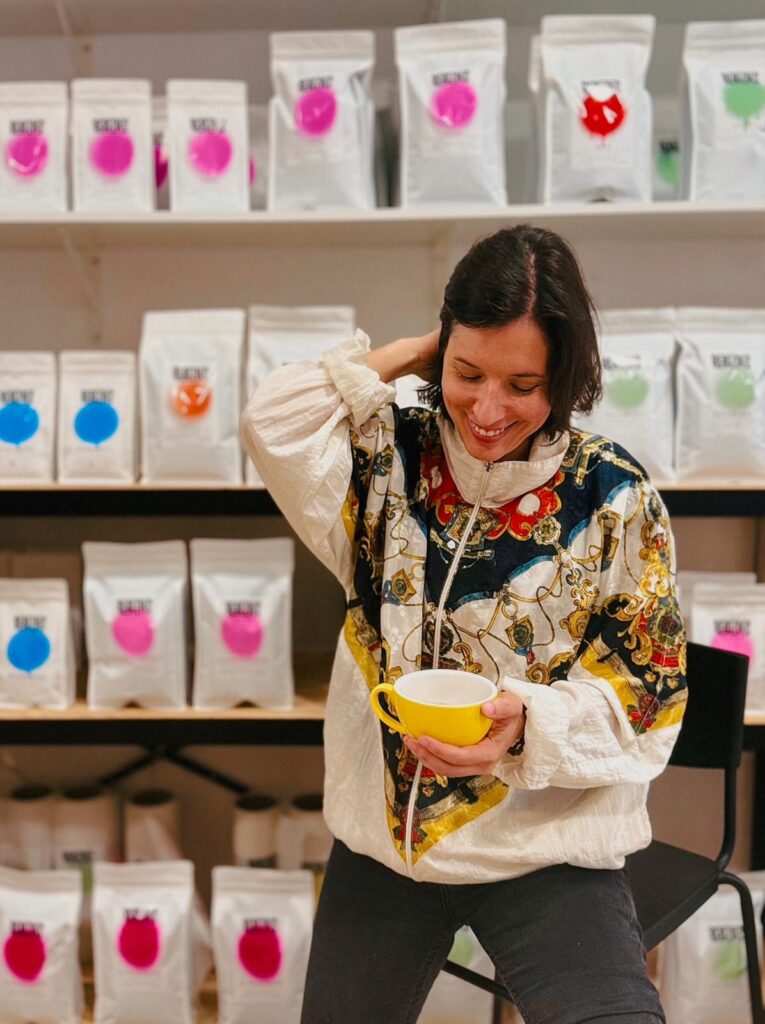
Brand ambassadorships in specialty coffee can sometimes feel transactional. How do you make sure your representation of Alpro Barista has substance? What do you actually bring to that relationship beyond visibility?
For me, a brand ambassadorship only makes sense if there is a real connection with the product, the values behind it and the community you are speaking to. What I bring is not only visibility but also my experience as a trainer and coffee communicator. I know what people need in real service: consistency, texture, balance, and a product that works cup after cup. I also see myself as a bridge between the brand and the specialty coffee community, bringing honest feedback from the field and turning that relationship into education, useful content and real conversations, not just promotion.
If you could change one thing about how cafés in Spain approach plant-based drinks, in terms of training, storage, pairing, or communication with customers, what would it be?
I think we have already seen a clear and meaningful shift in the way plant-based drinks are consumed in Spain, both at home and in specialty cafés. Many customers now drink them regularly, whether because of food intolerances, personal choices, or simply because they enjoy the flavour. And because they use them at home, they are also asking cafés for better quality and preparation. If I could change one thing, I would encourage cafés to be more creative with them. Not to use plant-based drinks only as a substitute in a flat white or a matcha latte, but to integrate them more naturally into the menu. They have a wide range of textures, flavours and possibilities, and cafés can do a lot more to show customers how versatile they can be.
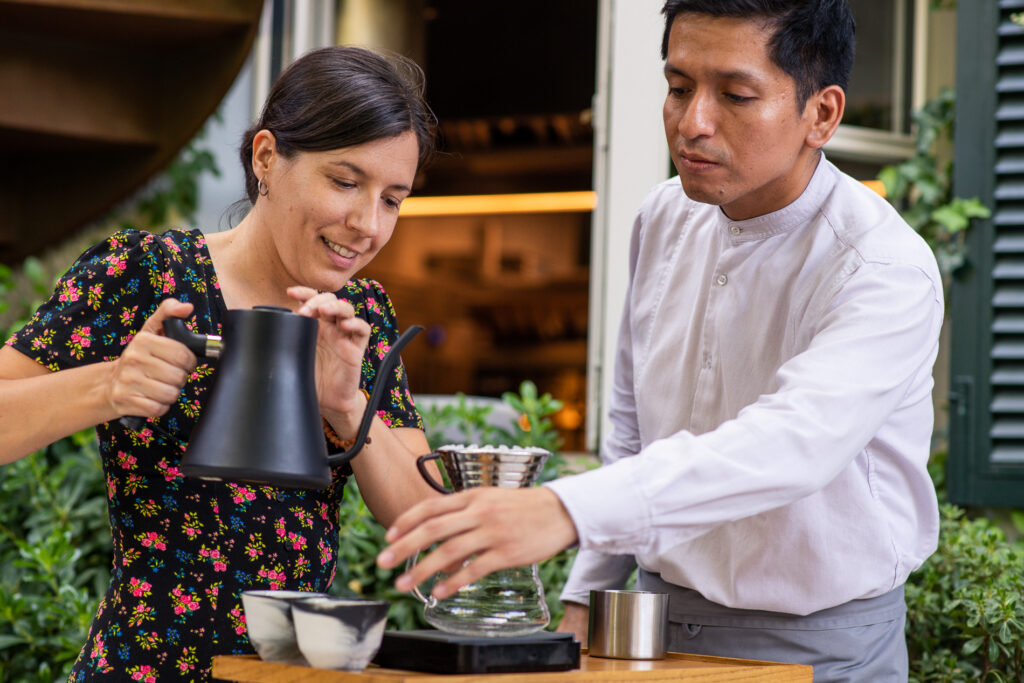
What are some common misconceptions about our industry that you’ve encountered, and how do you address them?
One common misconception is that opening a specialty coffee shop is easy if you love coffee. From the outside, it can look beautiful and simple, but running a café is a very demanding business. Many people enter the industry with passion, but without fully understanding the financial, operational and emotional weight of it, and that can lead to frustration or even having to close quite soon. I think, for some people, coffee can remain a beautiful – and sometimes expensive – hobby without necessarily having to become a business or a profession.
The other misconception, and I think the industry is partly responsible for this, is making coffee feel too complicated or exclusive. Sometimes we give the impression that good coffee is only for experts, or that people will never get good results at home unless they buy very expensive equipment. I don’t believe that. Of course, knowledge and good tools help, but coffee should also feel accessible. With good beans, curiosity and a bit of guidance, people can enjoy very good coffee at home.

You’ve built maps, translated books, opened a roastery, judged competitions, organised events and championed women – what is the single thread that connects all of it? What kind of community do you hope to build around your initiatives?
I think the thread that connects everything is people. Coffee attracts people with a lot of passion: people who leave their jobs to follow a dream, families working tirelessly to keep a farm or a business alive, baristas training for hours to improve and compete, and professionals trying to build something meaningful around coffee.
What I hope to build is a community where those people feel understood, supported and part of something bigger. A place where we can share not only knowledge, but also values, experiences and a certain way of understanding coffee – with curiosity, respect and care for the people behind it.
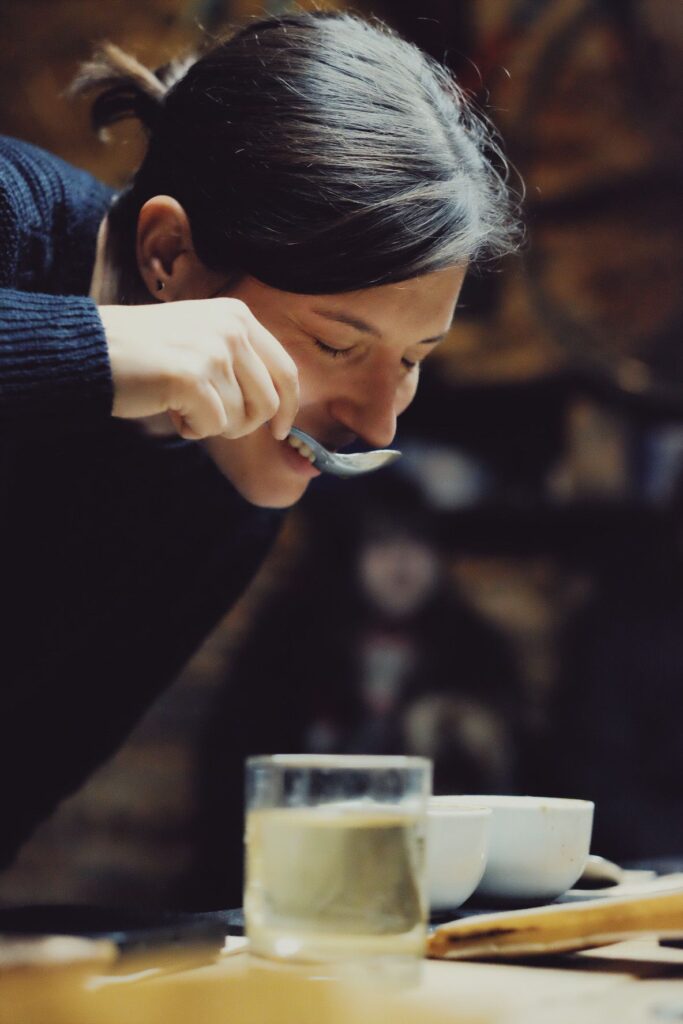
If there were one piece of knowledge about coffee you’d like everyone to know, what would that be?
It would be that coffee is not just a bitter drink or a dose of caffeine. Coffee is an agricultural product grown by people, shaped by a place, a climate, a variety, a process, and many decisions along the way. When you understand that, you start drinking coffee differently. You become more curious, respectful, and aware of all the work behind a cup. For me, that is the beginning of a better relationship with coffee.
What are your passions and hobbies apart from coffee?
Apart from coffee, I love music, reading and travelling. I have a small book club with a friend, which is one of my favourite rituals. I also enjoy going out for dinner, discovering new places around the city, and keeping active through sport – especially running.
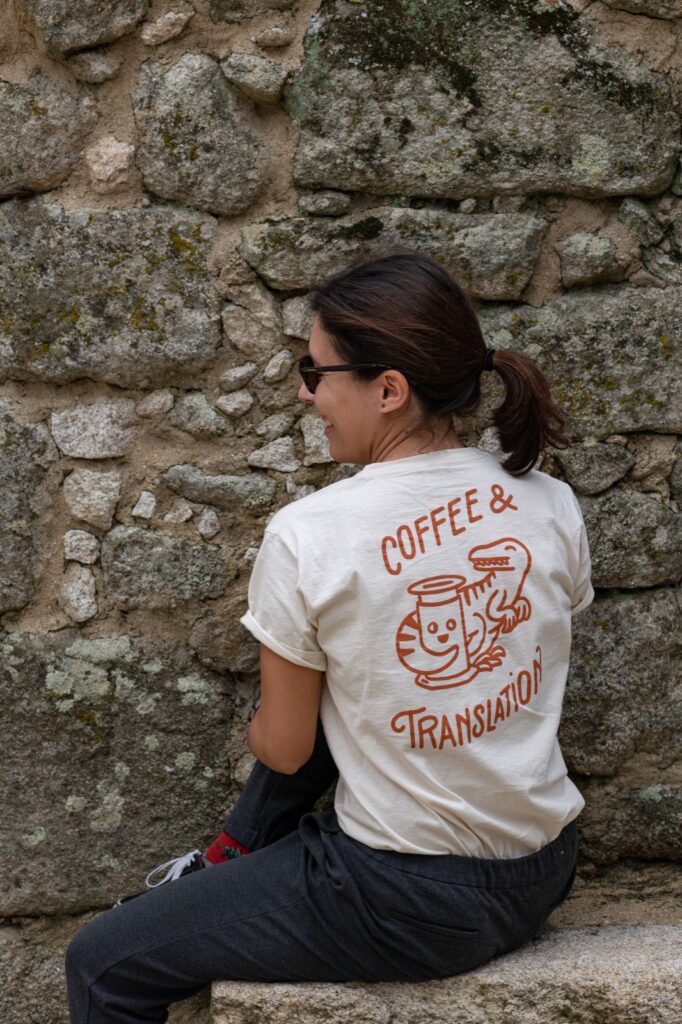
Where in Madrid do you find your best inspiration?
Besides a quiet café where I can sit and read, I find a lot of inspiration walking through Madrid’s parks. El Retiro, Madrid Río, Casa de Campo… they all give me a way to step away from the noise of the city without really leaving it. Madrid can be intense, but it also has these calm corners where you can slow down, think, observe people, or simply walk without a plan. I often struggle to find that balance between energy and quietness, but maybe that is also why I find it so inspiring when I do.
What coffee challenges are you looking forward to? Any new projects or collaborations?
My biggest coffee challenge right now is helping people discover Rebeldes Coffee, our new roastery in Madrid. I would love to grow from there, work with more cafés and businesses, and build meaningful relationships with people who share a similar way of understanding coffee.
At the same time, translation is still a very important part of who I am. This summer I translated a theatre play from French, which was a big professional challenge, but I would love to keep my connection with coffee books alive too. I haven’t worked on a coffee book for a while, so I would be very happy if this year brought a new project in that direction.

Quick Fire Questions for Ana Rubio Ramírez:
Filter coffee or espresso-based?
Definitely filter coffee.
Milk coffee or black coffee?
Both!
The most underrated coffee drink?
Dirty chai.
How do you make coffee at home?
Many, depending on my mood. Lately, the Origami dripper.
The most underrated coffee brewer?
Probably the French Press.
Favourite piece of barista equipment?
Manual grinder.
No.1 café in Europe that every coffee geek should visit?
I’d say Tim Wendelboe (because I haven’t visited it myself and I’d love to ahaha).
What’s your favourite city to have a specialty coffee tour outside of “your city”, why?
Porto. I love the way coffee is integrated into the city culture. Every place is so cosy.