
Jon Townsend wanted to be a journalist. He ended up delivering papers at 6 am for five years as a teenager, which taught him more about discipline than any newsroom probably would have, then drifted through pubs, restaurants, a brief stint as a pub chef, and eventually landed behind an espresso machine in Reigate. Full-time journalism never happened. The writing did, about coffee. Somewhere along the way he also discovered that what he was really good at was not making coffee but teaching it, and in 2020, from his kitchen table during a pandemic, he turned that realisation into The Institute of Coffee.
Twelve years in the industry and sixteen in hospitality have given Jon an unusually wide lens. He has worked with teams at Apple, Sony, and Everyman Cinema, served David Beckham on Savile Row, co-hosted events during WCC in India, volunteered thirty days a year to keep UK coffee competitions running, and worked alongside charities helping people from less privileged backgrounds find employment through coffee. He is also the only employee of the company he founded, entirely by design. Control over impact, he will tell you, matters more than scale.
In this interview, Jon talks about what a barista camp with thirty nationalities taught him about listening before speaking, why he finds the phrase “developing countries” increasingly uncomfortable, how he reads a room full of strangers and adjusts his entire teaching approach on the spot, and what he believes is the single most important thing anyone can bring into a training room.
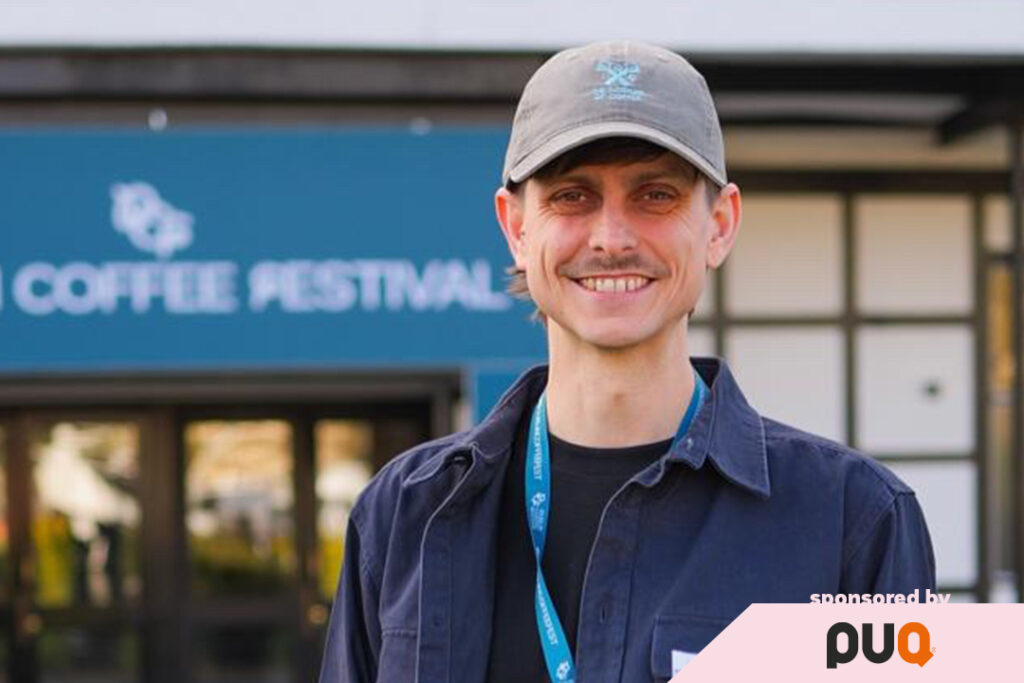
Jonathan, what is your first memory with coffee?
A vivid memory, more around aroma. Occurring on one of our trips out to the Isle of Wight as a small child, I’d often smell and enjoy sips of a latte, which has had a lasting impression on me, for better or for worse. At certain times of the year, I’ll encounter the smell, and it takes me back to these short trips away with family, something I treasure. To bring it back to training, I often tell learners to think of what it reminds them of, as opposed to what it is.
What inspired you to pursue a career in the coffee industry, and how did you get started? What did you do before coffee?
Having gone to university with a dream to become a Journalist, I knew that I needed to balance my finances to survive there, and a job was a must. Not much of a problem as I’d been working as a paper boy from the age of 11, so I was not averse to a hard day’s work. Still to this day, I believe waking up at 6 am for 5 years to deliver papers taught me so many life lessons.
Though my hospitality career began in pubs and restaurants, from serving tables to working behind the bar and progressing into a role as a chef, albeit in a pub, we did produce some of the best burgers in Portsmouth!
In these roles, I interacted with coffee and would now agree that I was doing a quite horrendous job of it. What I was learning in these roles as I progressed to management was that I had a knack and patience for training people. I was on my way to where I wanted to be in hospitality; I just wasn’t yet aware that it would involve coffee as much as it does today.
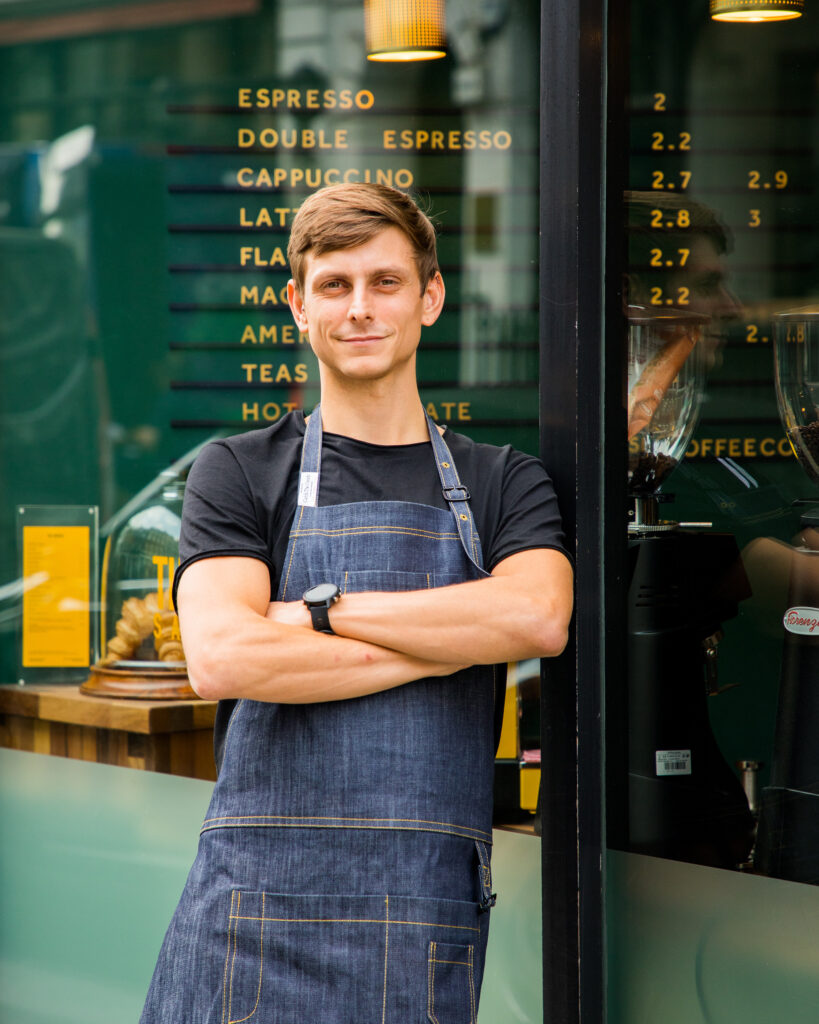
Can you walk us through your coffee career?
Fast forward a few years and I needed to swap out my lifestyle from evening shifts to day shifts, to essentially stop burning the proverbial candle at both ends. I took up a role at a local coffee shop in Reigate, Cullenders. This was the beginning of my journey into truly caring about coffee and honing in on my skills to produce beautifully textured latte art and espresso-based wonders. Whilst in this role, I was headhunted by The Fresh Coffee Company to join their team as Head of Training. This changed my life forever.
We served some of the biggest companies in hospitality at the time, from Apple, Sony, EA to Everyman Cinema, Giggling Squid and Planet Organic. With such an array of businesses, I could adapt and form my own training style. Learning and relearning how to understand coffee and ultimately people. As I grew into my role, I was able to pursue my SCA qualifications, and after 5 years of undertaking courses, I’d become an AST Trainer. This is still my proudest moment prior to running my own business, something that we as coffee trainers aspire to.
Having grown into the role over these 5 years, there was to be the moment we all stood still. Covid. In this time, we decided as a business to open a coffee shop on Savile Row, The Service. I would return to my prior role as a Manager and look after the shop in its infancy. Due to the location, we were blessed with celebrity appearances from serving the likes of David Beckham, Hugh Grant to Bill Nighy and Imogen Heap, which we all loved.
Once the fandom wore off and my infatuation for Manchester United subsided, I reassessed what I wanted to do with my career; I knew it was time for a change. Covid brought a lot of pain and suffering, but it also gave us time to sit and evaluate what we wanted to achieve or be in life. This is when The Institute of Coffee was born, an idea at my kitchen table brought to life from experience and a willingness to want to give back.
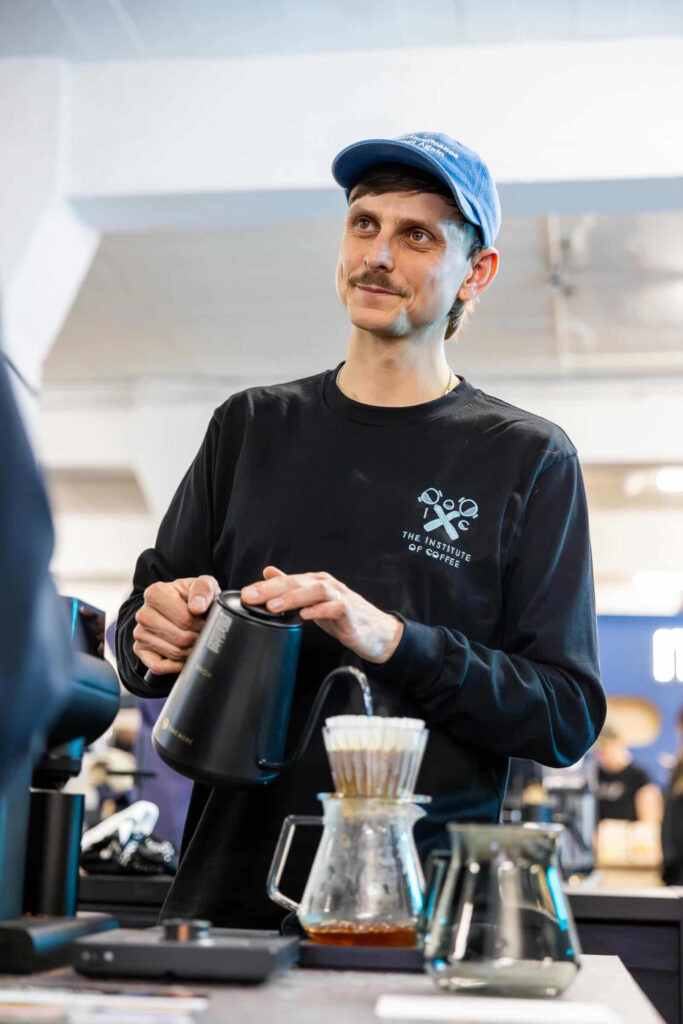
Tell us a bit about The Institute of Coffee. What is your role there?
I founded The Institute of Coffee in 2020, and still to this day I am their only employee. There is a reason for this: I have no aspirations for taking over the world or growing franchises. I want to have control over my impact as a company and have the freedom to do and choose what I see fit for it, to the benefit of those that choose to purchase or use my services. The company has always worked on a sliding scale when it comes to price to allow as many people from a multitude of backgrounds to join and be a part of the coffee industry.
My initial aim was to ‘bridge the gap between commercial and specialty coffee’ in a non-pretentious way. As I’ve grown and matured over the last 6 years, it’s less about bridging those two worlds and more about getting as many people passionate and curious about the world of coffee. My actual role can’t be defined as it involves everything that it takes to run a business, from marketing, social media, accountancy, design, management, etc. My main role is to train and inspire the next generation of baristas.
You held roles at Worldwide Barista Academy, as Head of Training for a wholesaler, as a Brand Ambassador, before reaching AST. Looking back, which of those roles taught you the most about how to actually teach, not just how to make coffee?
Within our role as Ambassadors, we would attend a yearly barista camp in Italy. This would bring together a collection of 20-30+ nationalities, the best of each country. The lessons I learned from these camps are huge. Within these camps, we had so many different ways of making coffee, be it from other cultural backgrounds or having different experiences with trainers; it was a petri dish of coffee-making. From this, I learned quickly not to judge or be quick to have my own voice heard first, but to listen and observe.
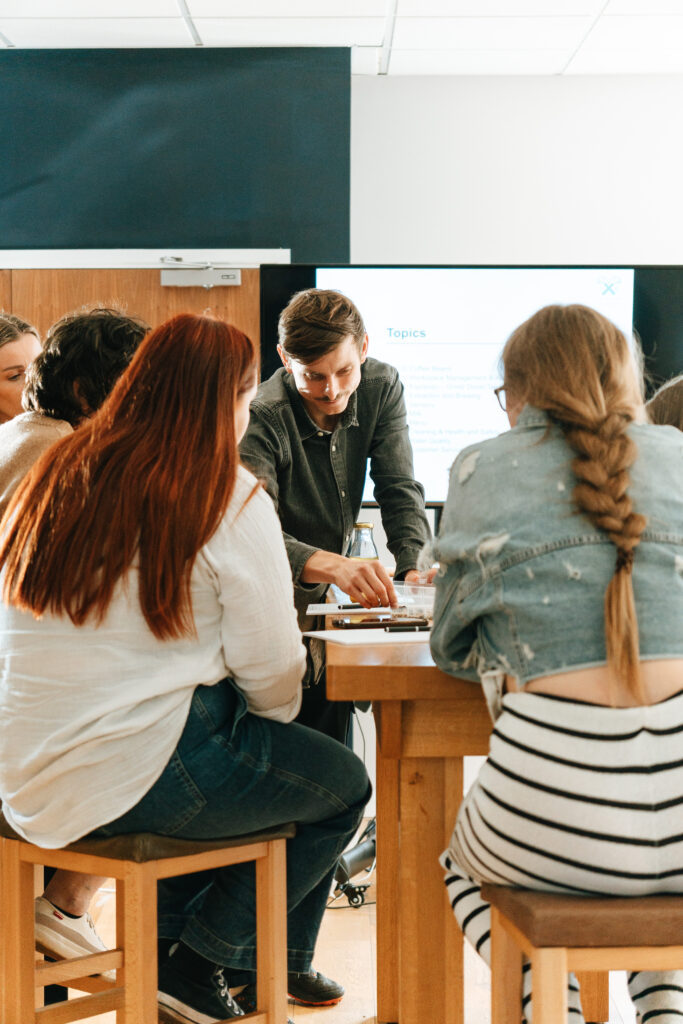
You said you were inspired by influential coffee trainers before pursuing AST in 2019. Who specifically lit that fire, and what did you see in them that you wanted to become?
I have to give extended credit to Simone Rubin; he was the one who taught me all my professional barista courses for the SCA. Without his guidance and knowledge, I’d have never become so curious about coffee. I’m sure to this day he’s sick of me asking him questions, but he’d always begrudgingly reply, as he cares.
Another trainer that I am so thankful to have become a part of my journey is Emma Haines. Her wisdom and love for green coffee sparked more from me than any other encounter I’ve had in coffee. We even got to co-host an Event in India at WCC, which was a dream come true. She truly is the best.
One client said your greatest skill is adaptability, that you perceive what the client needs and perform to the highest standard. How do you read a room or a team fast enough to adjust your entire teaching approach on the spot?
It does not come naturally; this is a skill that has been learnt over 1000’s of training sessions. You have to be quick to read people’s emotions and understand what motivates them or keeps them interested. Adapting to change is one of my biggest strengths. I always say in life, I am willing to change my mind and be curious, and that doesn’t stop in the training room.
You train everyone from established specialty shops to catering and food-to-go services. Do you have to become a slightly different teacher for each, and what stays exactly the same no matter who’s in front of you?
The part of training that always stays the same is the foundation. Finding an analogy that works for the learner and allowing them a safe space to try and then try again. I let my learners know that no one coffee is the same, from its biology to the journey it’s taken to get here in the training session.
We pretend to control things, really, which is what keeps coffee so interesting.
Some of my most rewarding work is alongside charities that help those in less privileged backgrounds get into employment. It’s in these moments that I truly see what coffee has the power to do. We’re often reminded by these charities that we’re only a couple of paychecks away from being homeless ourselves, so don’t take anything for granted. I hold that true to today and acknowledge my privilege, and from that try to give back to society.
You judge competitions, run workshops at industry events, and deliver hundreds of training sessions a year. Which of those roles feels most like “you”, and which still challenges you the most?
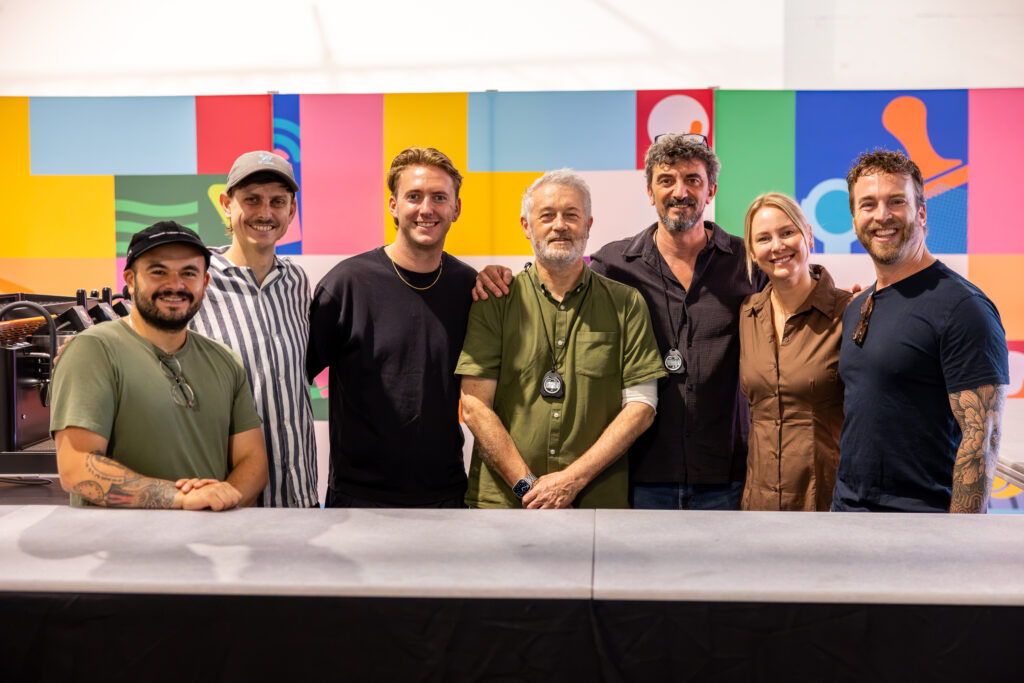
Since joining the SCA UK Chapter as a Co-ordinator, this has been one of the most exciting and challenging roles. From helping to curate events to being there for setup and ensuring that everything is ready for the competitions. I’ve been lucky to be amongst such a strong team, and learning from them and getting to collaborate has been huge. As a voluntary role, we all put in around 30 days a year to ensure all comps run smoothly. What we gain from this is seeing the immense effort and dedication that competitors put into their routines. As a coach, I’m able to learn from this and see how people respond to pressure and understand how I can incorporate those into my professional courses.
What are some common misconceptions about our industry that you’ve encountered, and how do you address them?
There are a lot of misconceptions, and one that I’m very aware of is saying that the coffee industry is small, or that you know most people in it. The coffee world is enormous, and there are so many people and companies that operate within it that it would boggle the mind. An example of this was my trip to WCC in India to represent the UK, where we had all nations attend and take part. This wasn’t a specialty coffee show; this was the coffee world in full flow, with full commercialisation. I have to check myself and remember we are part of a huge ecosystem of people, and I’m a very small cog in it. This grounds me, making me feel I don’t have to constantly compare myself to others, as there are just too many to count. So yes, within your own circle, the industry might feel small, but it’s bigger than you’ll ever know!
If there were one piece of knowledge about coffee you’d like everyone to know, what would that be?
Don’t be scared to challenge or disagree with the status quo. The coffee industry is relatively new, and it’s definitely not perfect; if you challenge the right people, you’ll find the right answers. As a trainer, the best times I have are when I can’t answer the questions, as it pushes me to seek answers or find new ways to teach those subjects. I asked a lot of questions to be here, and I’ll never stop, so don’t stop yourself from doing the same.
If the UK’s coffee industry listened to you on just one structural issue, pricing, training standards, sustainability, or something else entirely, what would you push hardest for?
I’ve become increasingly uncomfortable with the phrase “developing countries”. It implies there’s a single destination that every nation should aspire to, usually measured against Western ideals. Coffee has a long colonial history, and language matters. We should be more thoughtful about the words we choose because they shape how we value people and their contributions. Rather than seeing producing countries as places that need to catch up, we should recognise them as equal partners in an industry that simply wouldn’t exist without them.

What are your passions and hobbies apart from coffee?
The cinema is my ultimate pastime. My wife and I find ourselves cycling down to the local cinema to enjoy anything from indie releases to blockbuster features. I’d be lost without my cinema pass … and my wife.
What coffee challenges are you looking forward to? Any new projects or collaborations?
The Institute of Coffee now has a state-of-the-art home studio for small, intimate coffee sessions. This has opened up my ability to offer more types of training sessions, as well as my own bespoke courses.
On a personal development note, I’ll be looking to become a Master of Specialty Coffee, which will be a long journey of more education and training. As I say to my students, you need to stay curious and come with a willingness to learn, and I can’t ignore my own advice. Time to keep on learning!

Quick Fire Questions for Jonathan Townsend:
Filter coffee or espresso-based?
AM – Filter / PM – Espresso.
Milk coffee or black coffee?
Black.
The most underrated coffee drink?
Espresso.
The most underrated coffee brewer?
OXO Rapid Brewer
How do you make coffee at home?
Coffee Machine – Split Shot.
Favourite piece of barista equipment?
Zero Water Filter.
No.1 café in Europe that every coffee geek should visit?
Taste, Treviso.
What’s your favourite city to have a specialty coffee tour outside of “your city”, why?
Glasgow, Scotland – Best coffee scene in the UK!