
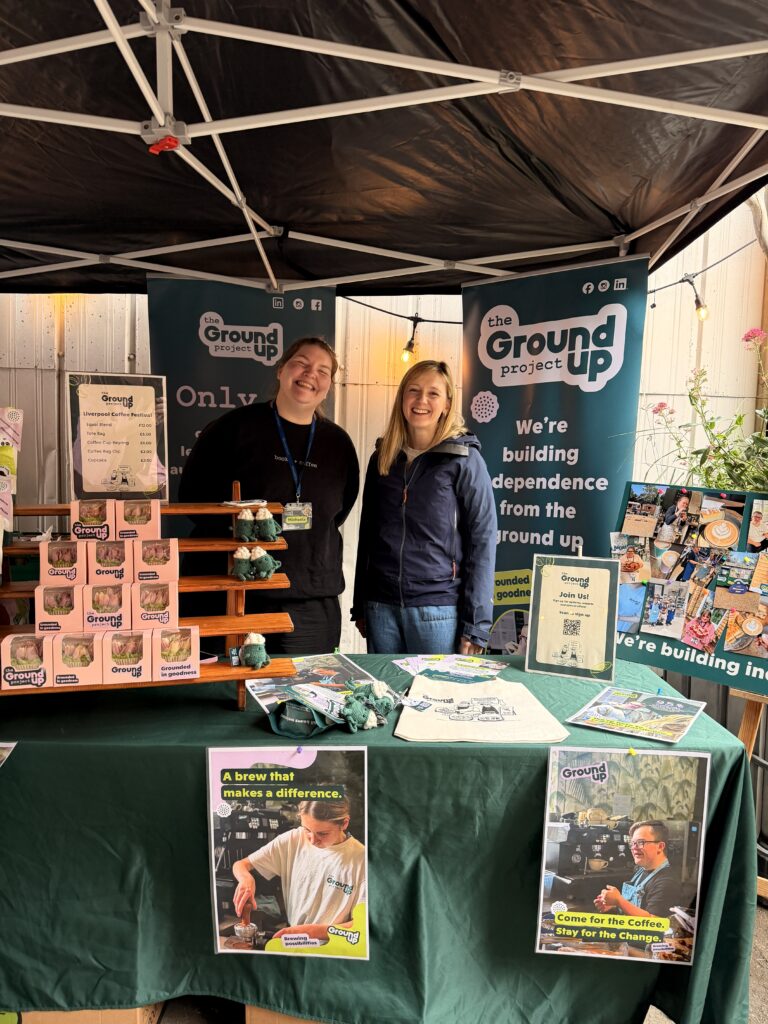
Michaela Randell has spent twenty years in hospitality, but the work she is doing now at The Ground Up Project is unlike anything she has done before. Set up in 2024, the project runs cafés where young neurodiverse people come to do their work experience, learning barista skills, customer service, and the rhythms of a real working environment, many of them for the first time. Michaela’s job, in theory, is Hospitality Manager. In practice, it looks a lot more like quietly leading and preparing her learners to the moment when she can step back and watch them collect their apron by themselves, or carry a tray of drinks across a room unaided, and feeling the kind of pride that does not need an audience.
The Ground Up Project is built on a simple and radical belief: that the young people society has most often told “no” are exactly the ones who, given the right environment and the right support, can absolutely fly. Michaela came to this work with a background in Community Drama alongside her hospitality experience, and that combination turns out to be exactly right for a role that is as much about building confidence and communication as it is about pulling a good shot. She adapts, she listens, she makes mistakes in front of her learners just to show that even the manager gets it wrong sometimes. She has a waiting list of neurodivergent young people wanting to volunteer, and she is helping out to open new venues for the project.
What makes Michaela’s story particularly moving is something she admits almost reluctantly: the project has evolved & changed her too. Years of working alongside her learners have deepened her own self-awareness and helped her unmask more fully. She built something for others and found, along the way, that it gave something back to her as well. Join us in keeping our fingers crossed for such projects and hoping they will blossom all around the world, giving opportunities & hope.
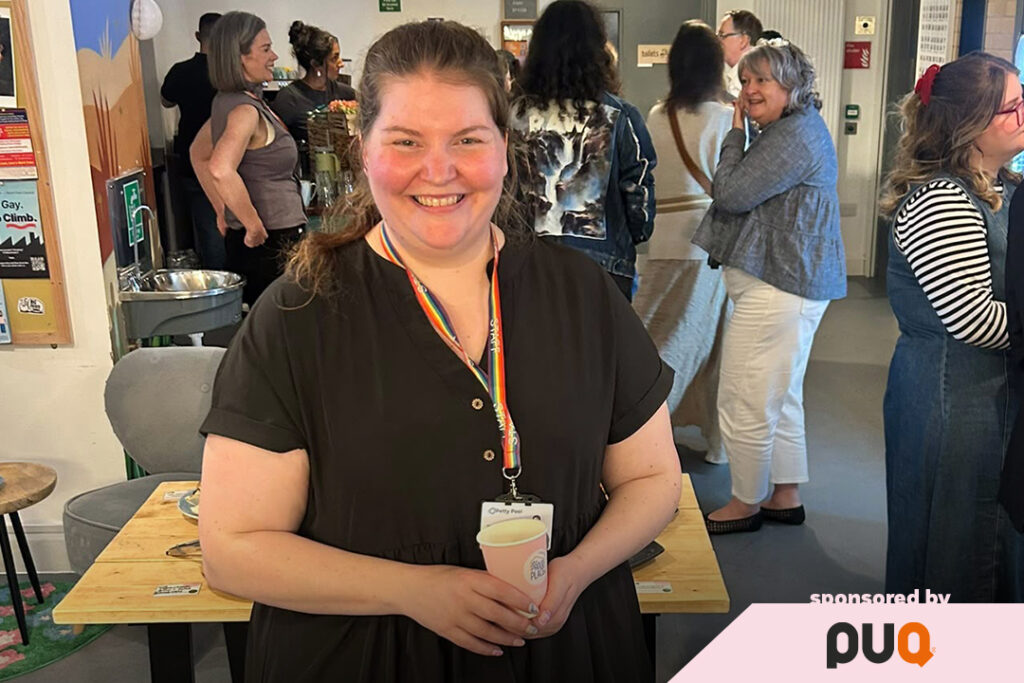
Michaela, what is your first memory with coffee?
Taking sneaky sips of my Mum’s Nescafé instant!
What inspired you to pursue a career in the coffee industry, and how did you get started? What did you do before coffee?
I started in hospitality in my teenage years; as being from a small village, it was either working in a pub or an ice cream shop! I developed my hospitality and coffee skills through a variety of opportunities in big chains and independents. I do have a degree in Community Drama, which has helped a lot in my current role.
Tell us a bit about the place & project you work at. What is your role there?
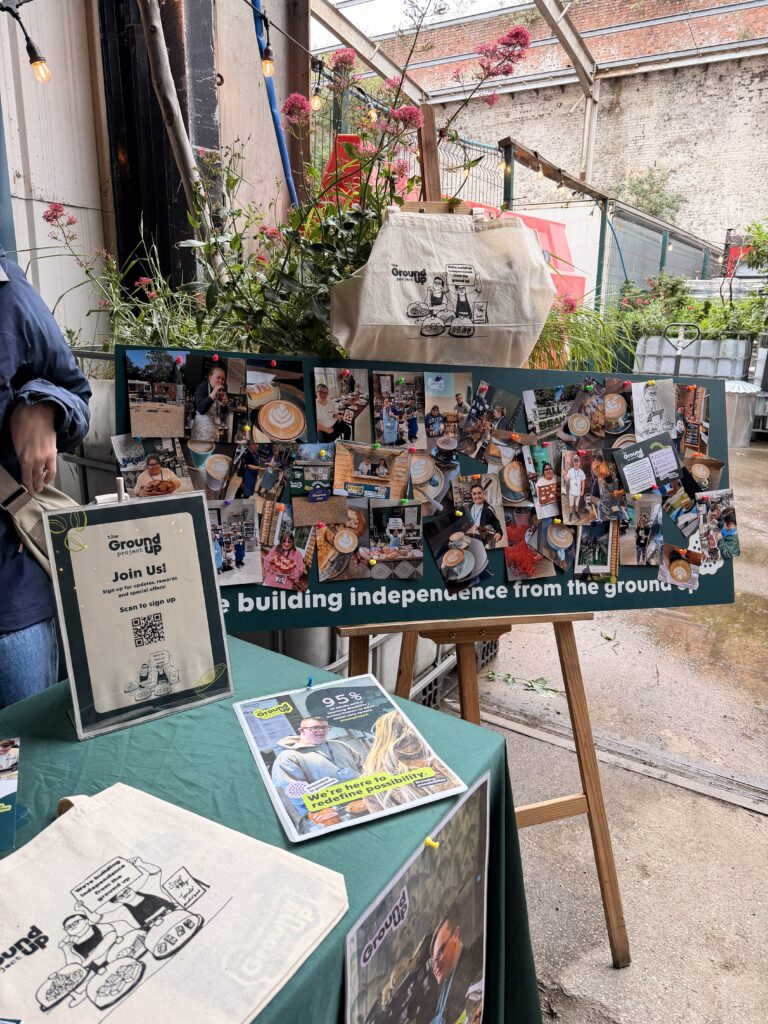
The Ground Up Project was set up in 2024 to provide meaningful work opportunities for young neurodiverse people. We work with a local specialist college and have up to 6 young people come and do their work experience in our cafe. My role was initially Cafe Manager for Ground Up Cafe at Theatre Porto, but I have since been promoted to help set up some new venues.
Your café is described as “more than just great coffee – it’s a training ground for future baristas, servers & hospitality professionals.” What does a “good day” look like for you as a trainer?
A good day is being able to step back and let the young people take the lead – they come to us first in September with basic customer service skills, so we have a lot of training we have to do with them, but it is just a case of instilling confidence and a can-do attitude. A lot of these young people have been told, “No, you can’t do that¨ – either by teachers/adults/society, and we’re here to prove actually they can – and do it very well!
Specialty coffee culture can be intense, fast-paced, and full of unwritten rules. How do you translate that world into something accessible and welcoming for a neurodivergent learner encountering it for the first time?
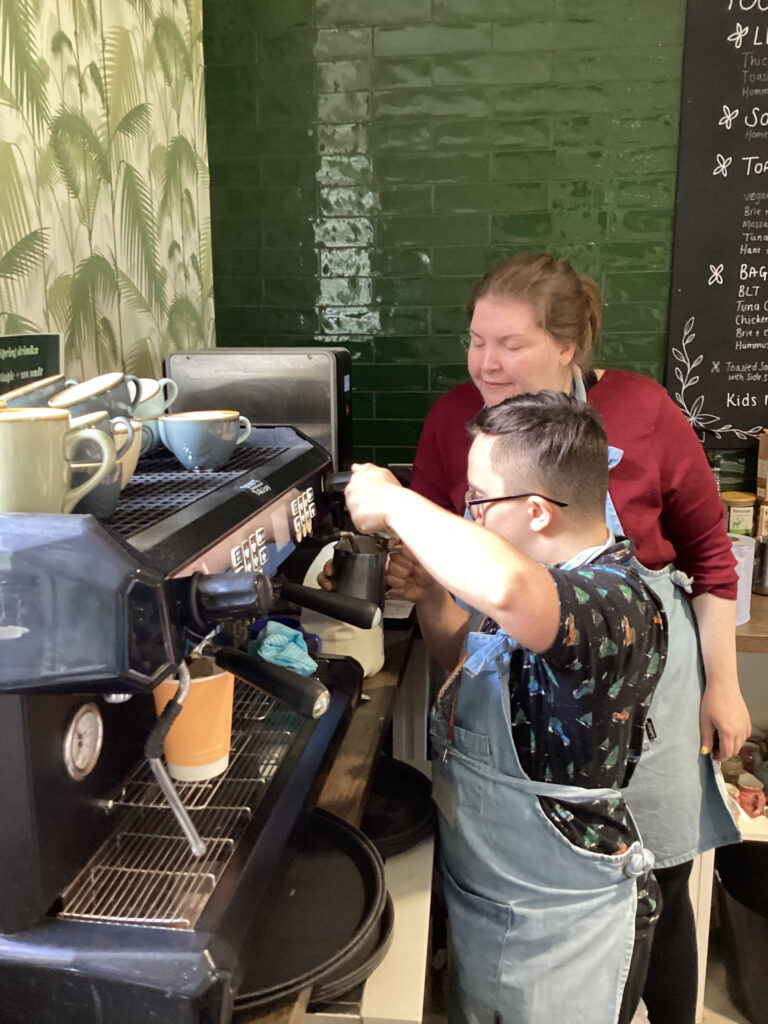
It’s definitely breaking it down into manageable chunks – some of our young people have never tasted coffee before, so it’s good to start with a sip! In the first days, we lead with welcoming the learners with a hot drink and casually talk about what coffee is, where it comes from, some of the different techniques, etc. Once they become more confident, we also invite our coffee supplier in to give them a ´real-world´ coffee training session, which might provide more specifics we can then also later break down if necessary.
What does ´independence´ actually mean in your work – is it a single milestone, or is it made of hundreds of tiny, almost invisible moments?
Absolutely the tiny moments: the first time they go and collect their apron by themselves, take over a tray of drinks unaided, make their own coffee, etc. It’s also great when they offer their willingness to work and do tasks – even silly social media videos! Once we also get to step back and just observe them working, it definitely brings proud, happy tears!
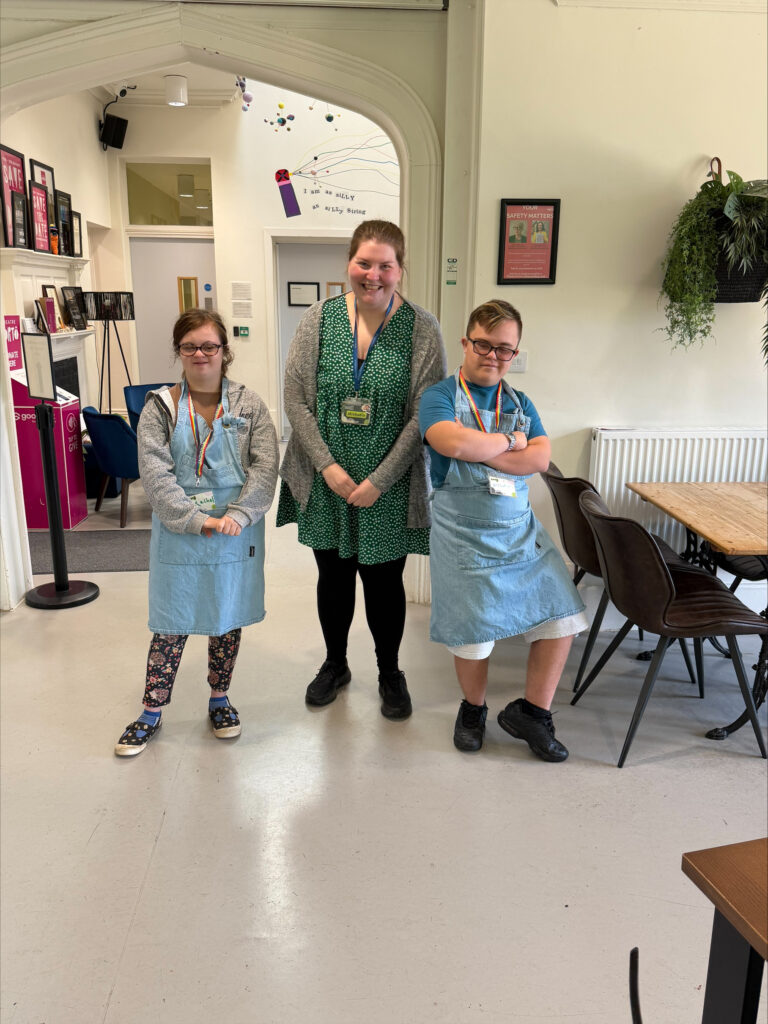
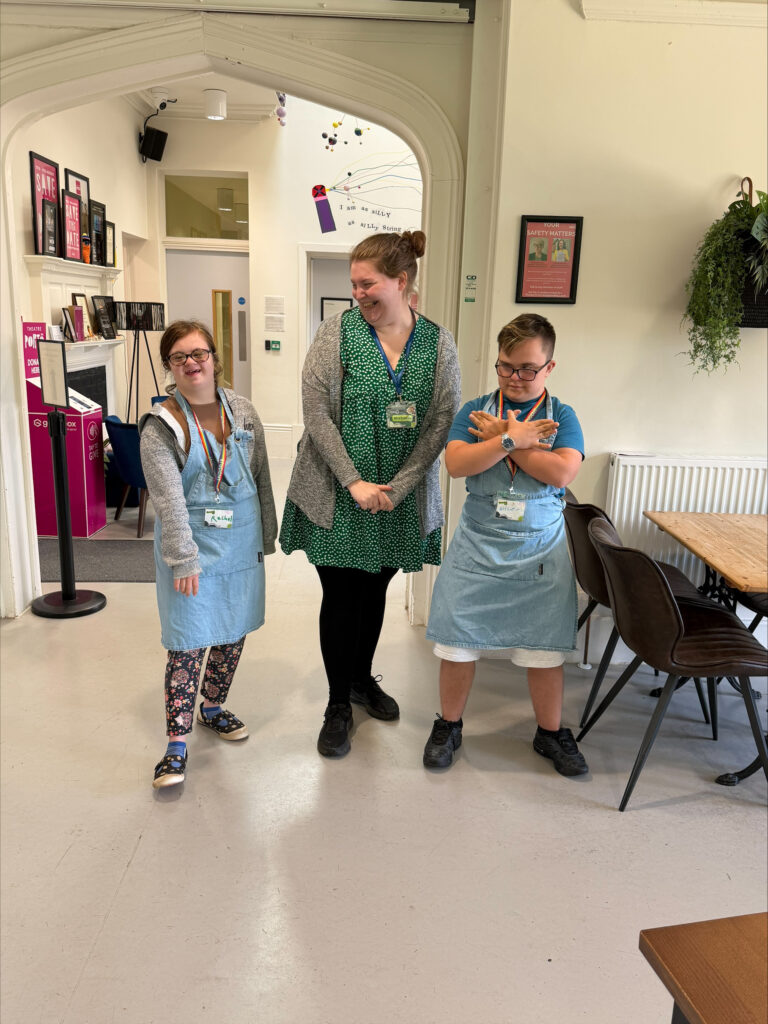
Behind the bar, mistakes happen constantly – to everyone, in every café in the world. How do you help a learner experience getting something wrong as part of the process, not as proof they don’t belong?
Sometimes it’s by making the mistake ourselves – showing that even the boss gets it wrong! It is also through gentle explaining and patience – there have of course been times we’ve had tears, upset and frustration – but by communicating in the best way for the learners, whether that be reassurance, reminders, or just shaking it off and leaving it in the past.
Every learner’s brain processes instructions, repetition, noise, and pressure differently. How do you build one training approach that can flex enough to fit so many different individual needs?
It’s definitely an adaptable training approach! There have been times when I’ve led with a task or learning opportunity and had to reassess: actually, this really doesn’t work for these young people, so let’s leave it move on to a different task and see how we can do it again in the future. The majority of the time, it’s speaking with the learner mentors that the college provides and seeing how we can adapt that task together. There are also lots of opportunities for breaks and one-to-one approaches when the group tasks seem difficult.
Is there a learner whose growth changed the way you think about your own work – someone who taught you as much as you taught them?
Can I say all of them?! I do think this year with Miles and Rachel, and seeing the growth and development with them – at first I really didn’t think they were suitable for the work experience, but now absolutely smashing it! They’ve definitely taught me what true teamwork looks like and the support they give each other – also the power of a free hot chocolate or ice cream!
The Ground Up Project’s vision is a future where every individual has the chance to thrive, feel valued, and contribute to their community – from the ground up. What does that future look like in practice – what changes if you succeed?
That we can help many more young neurodivergent people into some sort of employment- whether paid or voluntary. We’re only small at the moment but growing rapidly, so we are reaching some of those young people and already have a waiting list for neurodivergent volunteers to work in the cafe! It’s also developing a team of supportive cafe managers and assistants that help encourage and grow the project together – always learning together!
The employment statistics for neurodivergent young people in the UK are still genuinely bleak. What do you wish more hospitality employers understood about the talent they’re missing out on?
The eagerness of these young people to work – give them specific tasks and they can absolutely fly. Of course, there’s no one job that fits all, but the way small adaptations can be put into place, and you can create a supportive, productive and successful team – also a lot of laughs along the way!!
What’s a success story from Ground Up that the public never hears about, one that matters especially to you, even if it never makes the news?
I feel a bit selfish saying this, but I think it’s me. Over the past few years, I have expanded my way of thinking and living – definitely becoming more aware of my neurodivergence and unmasking more and more. It’s my passion and commitment to this project that has helped it grow and develop – my commitment to the young people and my staff; they all see how hard I work for and with them. But I would definitely always shy away from the spotlight – it needs to be about the young people!
What are some common misconceptions about our industry that you’ve encountered, and how do you address them?
That you can’t make a career out of hospitality! It’s just a stop gap/casual or side job you do whilst dreaming of something else! But more and more I’m seeing amazing opportunities in hospitality and different pathways to take!
If there were one piece of knowledge about coffee you’d like everyone to know, what would that be?
Feel free to be picky! If someone hasn’t made a coffee the way you like it, please just be nice to the barista and ask for it differently – explaining as much as you can! Feel free to order your decaf one-shot oat milk mochas without apologising that it’s a complicated order!
What are your passions and hobbies apart from coffee?
Theatre and reading. With a background in Community Drama and previous work experience in bookshops, I can’t keep away! Something that allows my brain to switch off from everyday life and escape into someone else’s!
Where in your city do you find your best inspiration?
The people – after living up north for nearly 20 years, the conversations you have and overhear are little gems of life. The creativity of the people too – an abundance of different cultures and heritages that all come together.
What coffee challenges are you looking forward to?
I’ve been so busy opening two new venues and taking over the canteen at the college, and I can´t wait for them to succeed and spread the word more about our project!

Quick Fire Questions this time with Coalesce Dance at Theatre Porto asked by Michaela, Rachel and Miles:
And some classic Quick Fire Questions for Michaela:
Filter coffee or espresso-based?
Espresso.
Milk coffee or black coffee?
Milky.
The most underrated coffee drink?
Oat milk mocha.
The most underrated coffee brewer?
French Press – you can even do your frothy milk in it!
What’s your favourite city to have a specialty coffee tour outside of “your city”, why?
Manchester – loads of great places and only 1 hour away – plus we’ve just opened up a venue there!