
Jerry Kaandorp grew up scooping Douwe Egberts into a Moccamaster, the way most Dutch households did in the seventies and eighties, and he never really lost the love for that aroma. What he did lose, eventually, was any interest in following a conventional path through coffee. After 12.5 years in the industry and a lifetime of being, in his own words, addicted to coffee, he is the self-taught owner, roaster, and mentor behind Jeronimo Specialty Coffee, a brand he runs across two countries that could not be more different from each other.
The story behind that begins not with coffee but with love. Jerry met his wife, Ivona, in the Netherlands, fell for her and the Balkans at the same time, and over 32 years of marriage, built a life that eventually led him to open a specialty coffee roastery in Skopje, a city where the concept barely existed when he arrived. He chose Aerodrom, a relaxed residential neighbourhood, over the trendy city centre, because he wanted specialty coffee to become part of people’s daily lives, not a destination people visited once. It worked. Conversations that once started with scepticism about why the coffee tasted different now revolve around origins and processing methods.
Running Jeronimo between Aalsmeer and Skopje has taught Jerry something that no single market could: coffee culture is always local, even when the coffee itself is universal. In the Netherlands, customers want to talk about flavour nuances and sustainability. In North Macedonia, coffee is woven into hospitality and tradition. Jerry has learned to listen before assuming, and to let two cultures shape one philosophy rather than forcing one approach onto both. A lifelong love of boats and open water seems to suit him. He has spent his career, in a sense, doing the same thing: following the current, staying open to where it leads.
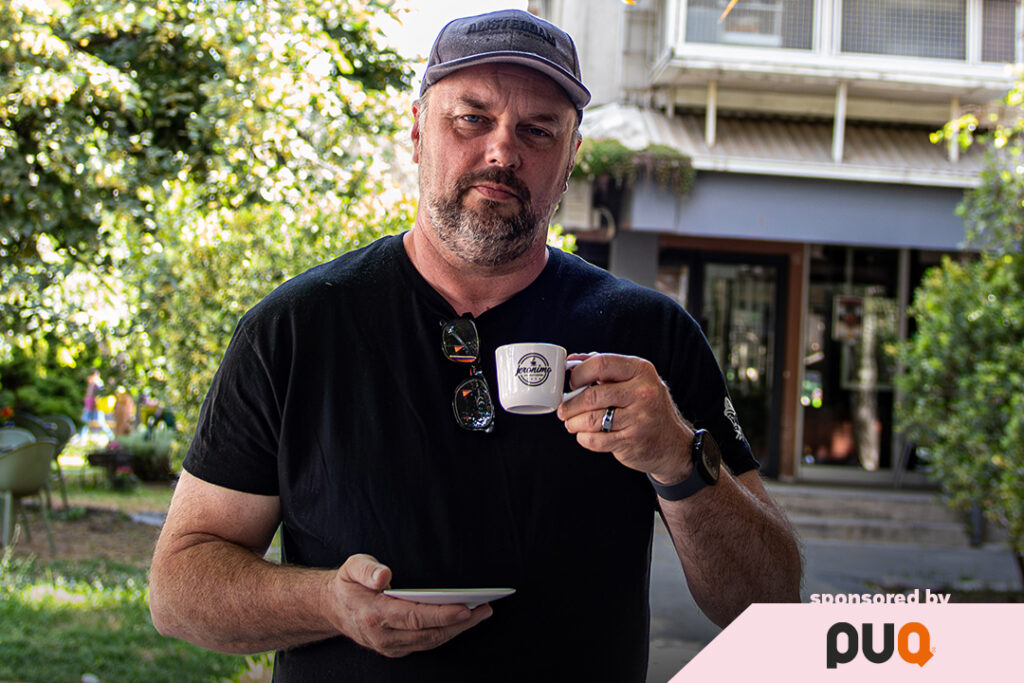
Jerry, what is your first memory with coffee?
Everyone my age in the Netherlands grew up with Calve peanut butter or Douwe Egberts Roodmerk coffee, and so did I. I remember when I was little, having to put the scoops of coffee into the filter of the Moccamaster at our house. Everyone had a Moccamaster coffee maker in their kitchen. I loved that smell of coffee!!!
What inspired you to pursue a career in the coffee industry, and how did you get started? What did you do before coffee?
For as long as I can remember, I’ve lived a caffeinated life. I’ve always been interested in coffee and was always on the hunt for the right beans. One day, I told my wife, “I’m going to start roasting my own coffee,” and it’s turned out to be a success. I follow my own philosophy in the world of coffee. Alfred Peet is my role model. For me, he is the Godfather of Specialty Coffee and has also followed his own way in coffee.
You moved from the Netherlands to North Macedonia for love. At what point did you realise this wasn’t just a romantic adventure, that you were actually building a life here?
I met Ivona in the Netherlands; I was working at Radio Aalsmeer. Then Ivona walked in, and I fell in love with her right away. Actually, that’s when I fell in love with the Balkans, too. We’ve been married for 32 years now. Now we are building our life around our coffee and sharing my knowledge about coffee with the locals here.
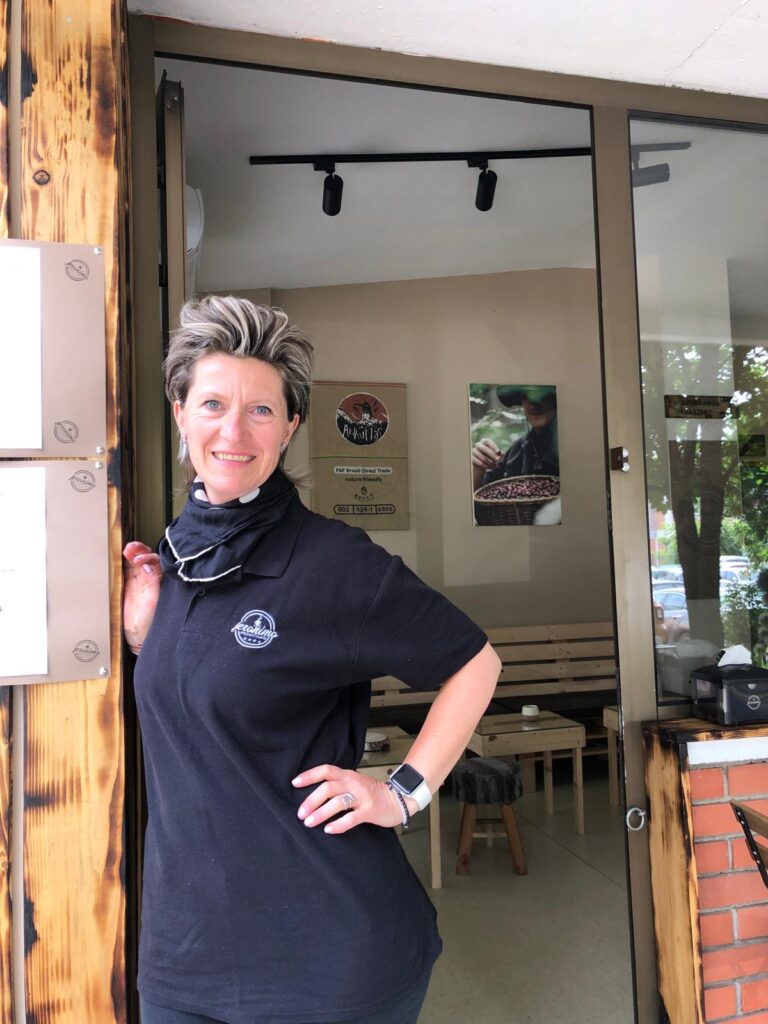
When you arrived, the specialty coffee scene in Skopje was essentially nonexistent. What is it like to build something in a place where there’s no map, no reference point, no community yet to belong to?
Before I opened the roastery and coffee bar in Skopje, we had already started selling coffee, but it was still being roasted in the Netherlands. However, I really wanted to roast fresh coffee in Macedonia rather than import pre-roasted beans. The pandemic delayed our original opening, but I used that time to develop the concept further, and once we found the right location, we got started.
I take the time to talk to our guests and explain the coffee, the roasting process, and so on. We’re unique in how we operate and truly show love and passion for coffee. In the beginning, I had to invest a lot of time explaining specialty coffee. The story that starts with the coffee farmer is still not well understood here. Several specialty coffee shops are opening now. I am pleased to be a pioneer and bring something new to this country!
You said you felt that Aerodrom deserved specialty coffee as a daily ritual. Most people in your position would have opened in the trendy city centre. Why Aerodrom, what did you see there that others didn’t?
I wanted to introduce specialty coffee into the hearts of the people, and Aerodrom is a relaxed neighbourhood where they can enjoy their coffee the right way.
Tell us a bit about your Jeronimo Specialty Coffee.
Jeronimo Specialty Coffee is a coffee roastery with roots in both the Netherlands and Macedonia. My mission is simple: to source exceptional coffees, roast them with care, and make specialty coffee approachable and affordable for everyone.
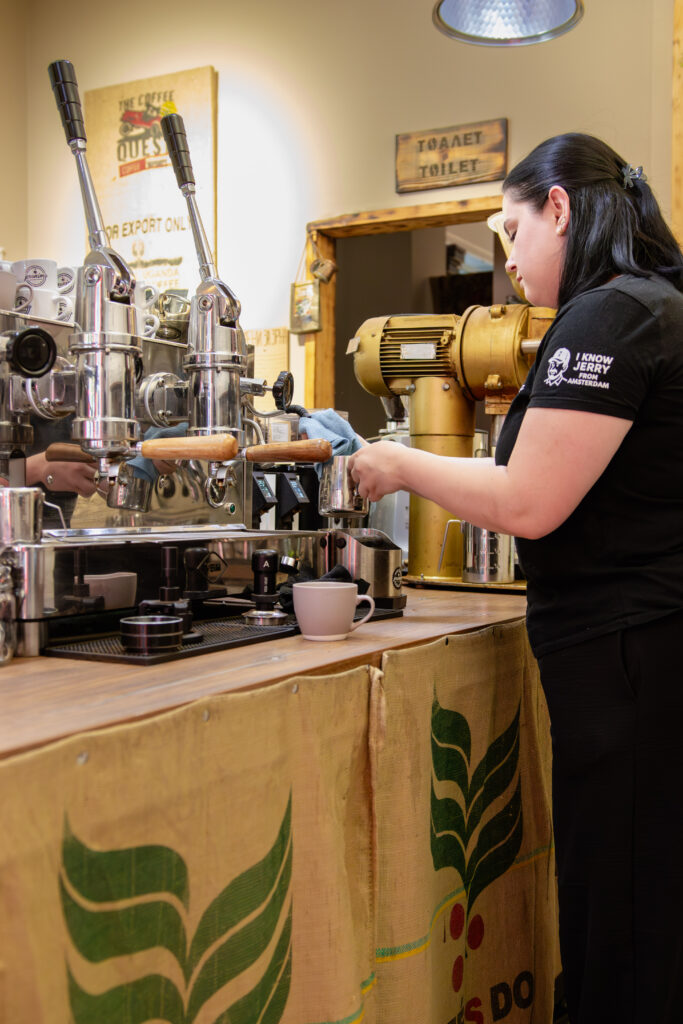
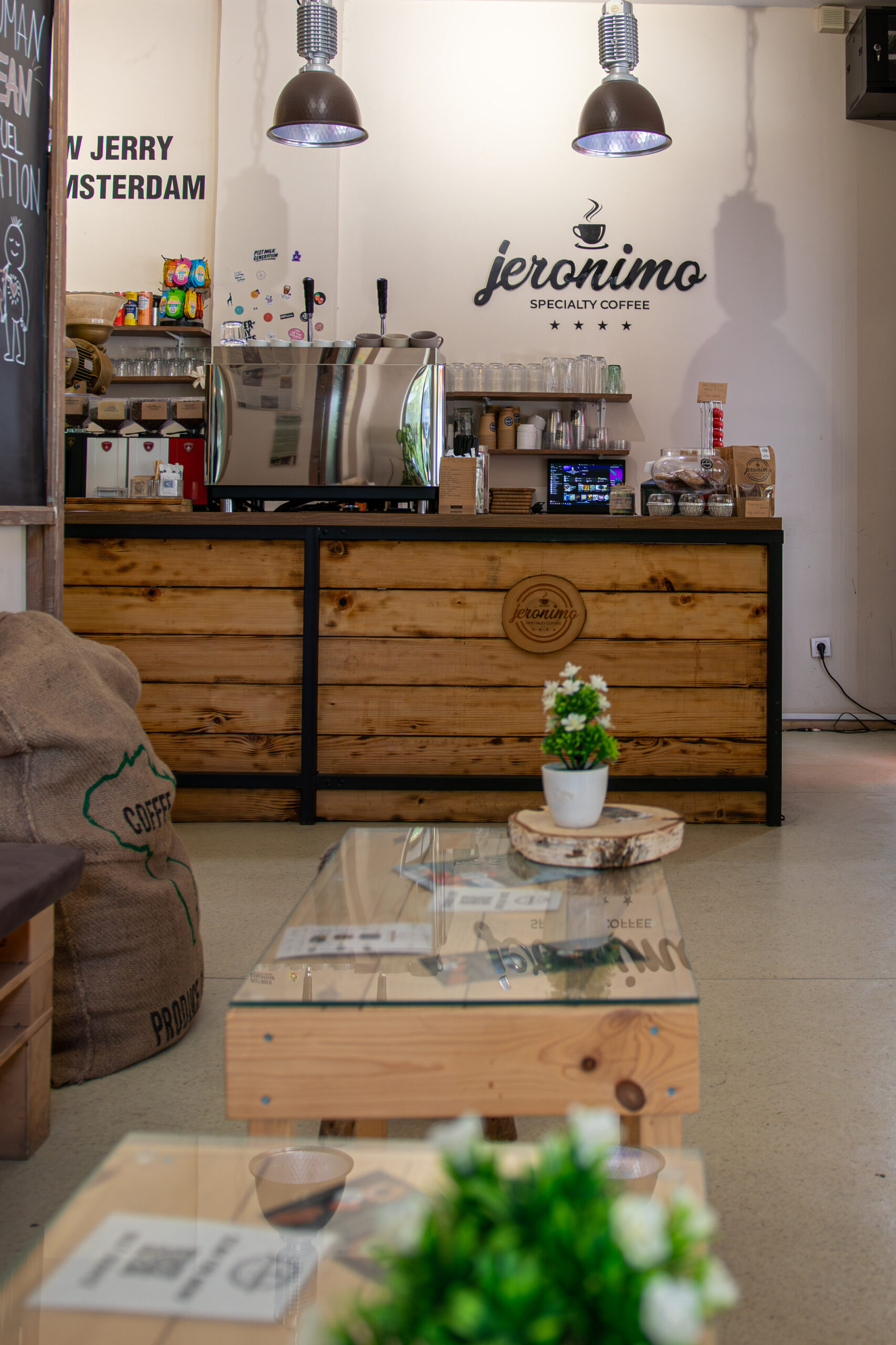
How did Macedonians receive your coffee at first? What were the conversations like across the bar in those early days? And how have they changed?
When I first introduced my coffee in Macedonia, many people were curious but also a little sceptical. The local coffee culture was already deeply rooted, and specialty coffee was still relatively new to many consumers. Across the bar, the conversations often started with questions: Why does this coffee taste different? Why is it lighter roasted? Why are the flavours more complex?
These early days were about education and building trust. I spent a lot of time sharing stories about origins, processing methods, and roasting, while also listening to what people enjoyed in their coffee. Today, the conversations are very different. Customers come in asking about specific origins and varieties. Many have developed a real appreciation for specialty coffee and are eager to explore new flavours. What began as curiosity has evolved into a genuine coffee community, and seeing that journey has been one of the most rewarding parts of our work.
What kind of experience do you want your customers to have when they visit your place?
When someone walks through our door, I want the hustle and bustle of the outside world to fade away for a moment. The smell of freshly roasted coffee, a genuine smile, and a warm atmosphere ensure that everyone feels welcome. With every cup of coffee, I tell a story, from the plantation to the roastery and finally into the cup. I want guests not only to enjoy a good coffee, but also to leave with a discovery, a good conversation, and the feeling that they were briefly part of something special.
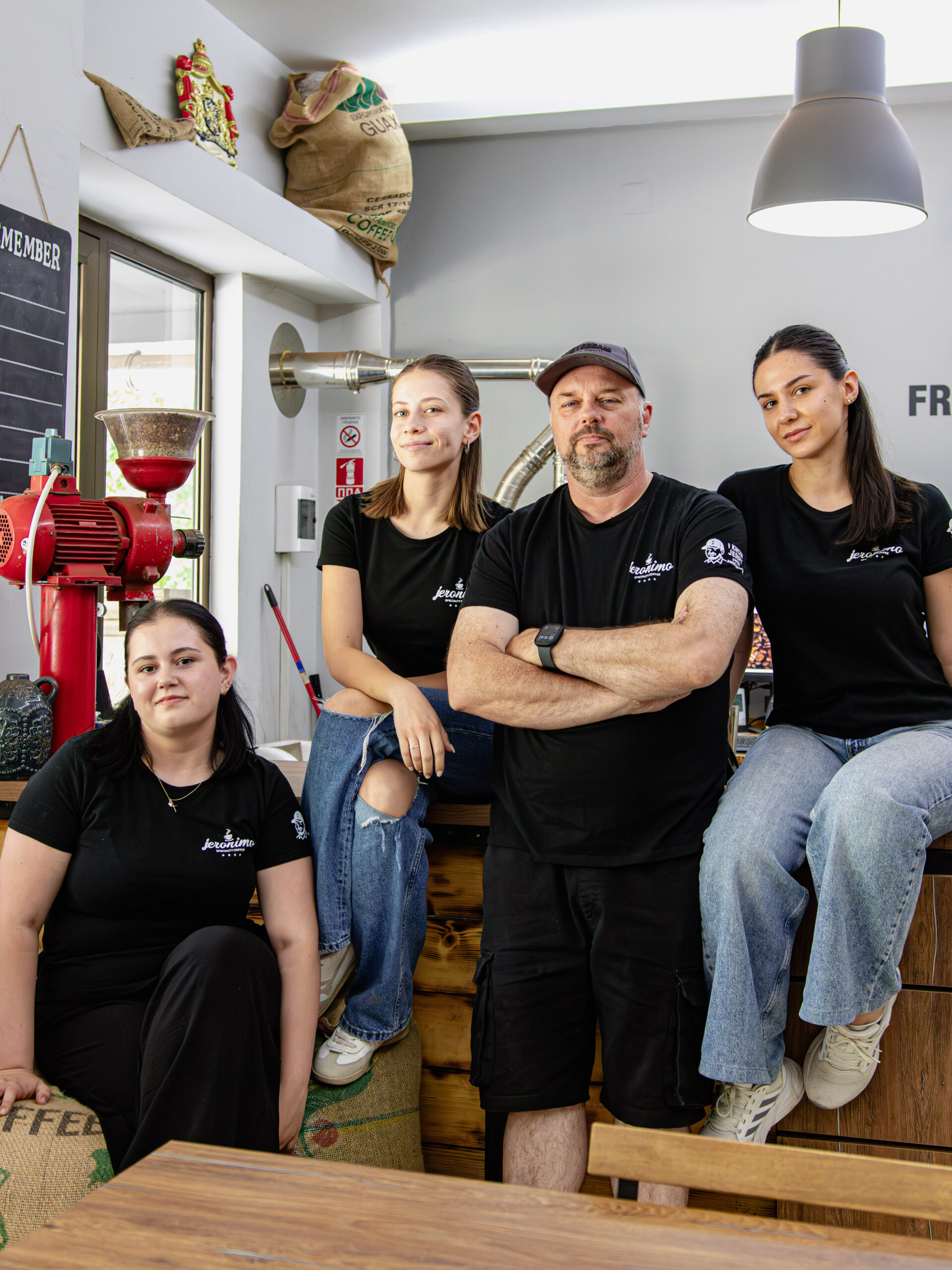
What is your favourite part of the day in your cafe, and why?
I love the mornings, I come a little bit earlier so I can drink my first coffee with one of my Employees. After that, I started roasting. Also, I like the evenings. We created a nice terrace that feels like little Italy or a romantic terrace in Paris.
What are some common misconceptions about our industry that you’ve encountered, and how do you address them?
´Coffee quality is only about the roast´.
In reality, quality starts at the origin. Variety, altitude, climate, processing method, storage, roasting, and brewing all influence the final cup. I explain that roasting can highlight or mask characteristics, but it cannot create quality that wasn’t present in the green coffee.
To address these misconceptions, I rely on education, transparency, tastings, and practical examples. When people can compare coffees side by side and understand the story behind the product, they quickly gain a more accurate understanding of the industry.
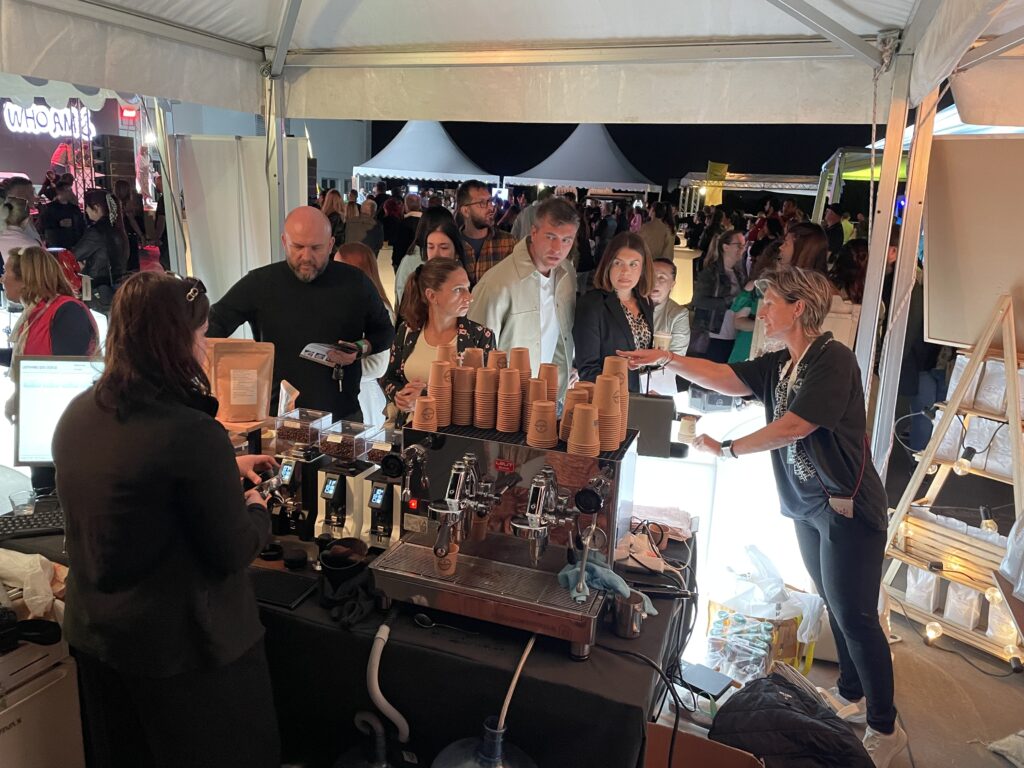
Jeronimo now operates in both Aalsmeer in the Netherlands and Skopje in Macedonia. What does running a roastery across two countries, two cultures, and two completely different coffee markets teach you that you could never learn from just one?
Operating Jeronimo in both Aalsmeer and Skopje has taught us that coffee may be universal, but coffee culture is deeply local.
In the Netherlands, customers often approach coffee from a specialty perspective. They are interested in origin, processing methods, sustainability, and flavour nuances. In Macedonia, coffee is often more about hospitality, tradition, and social connection. People take time for coffee, and it plays an important role in daily life and relationships.
Working across these two markets has taught me to listen before we assume. What customers value, how they drink coffee, and even what they consider a great cup can vary significantly. Rather than seeing these differences as challenges, we’ve learned to see them as opportunities to broaden our understanding of coffee.
It has also reinforced the importance of adaptability. The same product, story, or marketing approach doesn’t necessarily resonate in both countries. Success comes from respecting local preferences while staying true to our core values of quality, transparency, and craftsmanship.
Most importantly, operating across two cultures reminds us that coffee is ultimately about people. Whether someone is discussing tasting notes in the Netherlands or sharing a long conversation over coffee in Skopje, the desire for connection is the same. That perspective is something we could never have learned by operating in just one market.
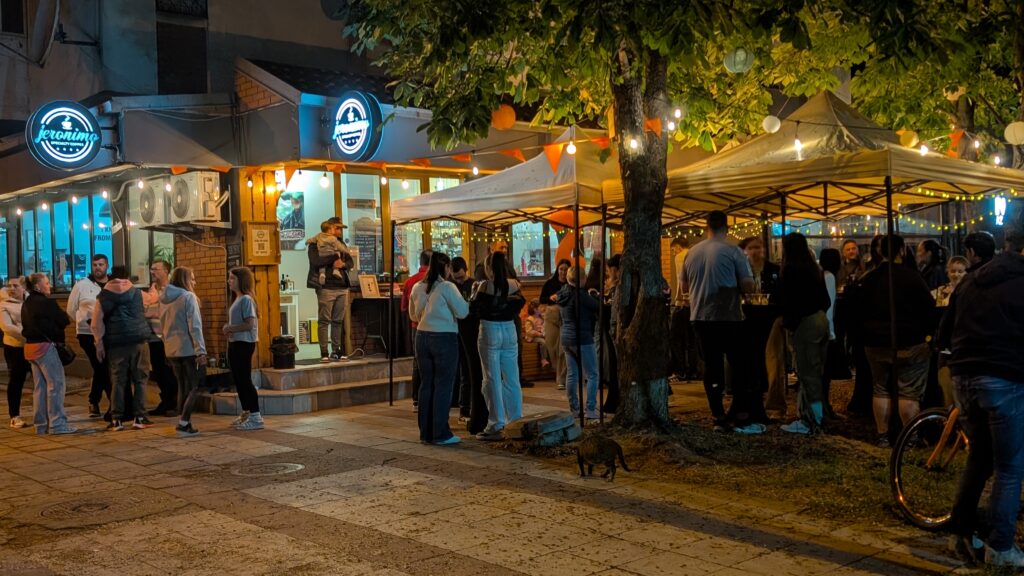
What kind of community do you hope to build around Jeronimo, and how do you plan to foster that sense of community?
At Jeronimo, I’m happy that I have built a community of coffee enthusiasts who value quality, authenticity, and continuous discovery. My goal is not simply to sell coffee, but to create a place where people can learn about origins, processing methods, roasting, and brewing while sharing their own experiences and preferences.
I believe coffee has the power to connect people across cultures and backgrounds. By offering transparent information about our coffees, engaging directly with customers, and sharing the stories behind each origin, we aim to create meaningful relationships rather than purely transactional ones. Ultimately, we hope Jeronimo becomes a trusted community where people can explore coffee together, exchange knowledge, and develop a deeper appreciation for the craft and culture behind every cup.
If there were one piece of knowledge about coffee you’d like everyone to know, what would that be?
If there is one thing I’d like everyone to know about coffee, it’s that great coffee begins long before it reaches the roaster or the café. Every cup is the result of countless decisions made by farmers, processors, exporters, roasters, and brewers. Many people see coffee as a simple commodity, but it is actually one of the most complex agricultural products in the world.
Factors such as variety, altitude, soil, climate, harvesting practices, and processing methods can dramatically influence the flavour in the cup. Understanding this helps people appreciate not only the taste of coffee but also the craftsmanship and dedication behind it. When you know the story behind your coffee, every cup becomes more meaningful.
What are your passions and hobbies apart from coffee?
I think it’s part of my Dutch DNA, but I’ve always felt a strong connection to the water. Boats have been a passion of mine for as long as I can remember, and I’ve owned a boat throughout my life. Being near the water gives me a sense of peace and perspective. It’s where I find inspiration, clear my mind, and recharge. No matter where life takes me, I’m always drawn back to the water. It has a unique way of grounding me while at the same time encouraging me to dream and explore.
What coffee challenges are you looking forward to? Any new projects or collaborations?
Jeronimo is growing, and now we’re taking it to the next level – we’re working on franchises across Macedonia.

Quick Fire Questions for Jerry Kaandorp:
Filter coffee or espresso-based?
Espresso.
Milk coffee or black coffee?
Black.
The most underrated coffee drink?
Coca-Cola coffee, the caramel & chocolate notes from the coffee combined perfectly with the cola.
The most underrated coffee brewer?
Man… I love my Bripe from Canada!
How do you make coffee at home?
I have nice equipment at home, but I jump on my e-step and go to my coffee bar to drink coffee. Even when we are closed!
No.1 café in Europe that every coffee geek should visit?
Heilig Boontjes in Rotterdam, just because of the story about it!
What’s your dream place to have a coffee tour?
I like to visit different places, not just one tour in a city. I love the small places with spirit.