
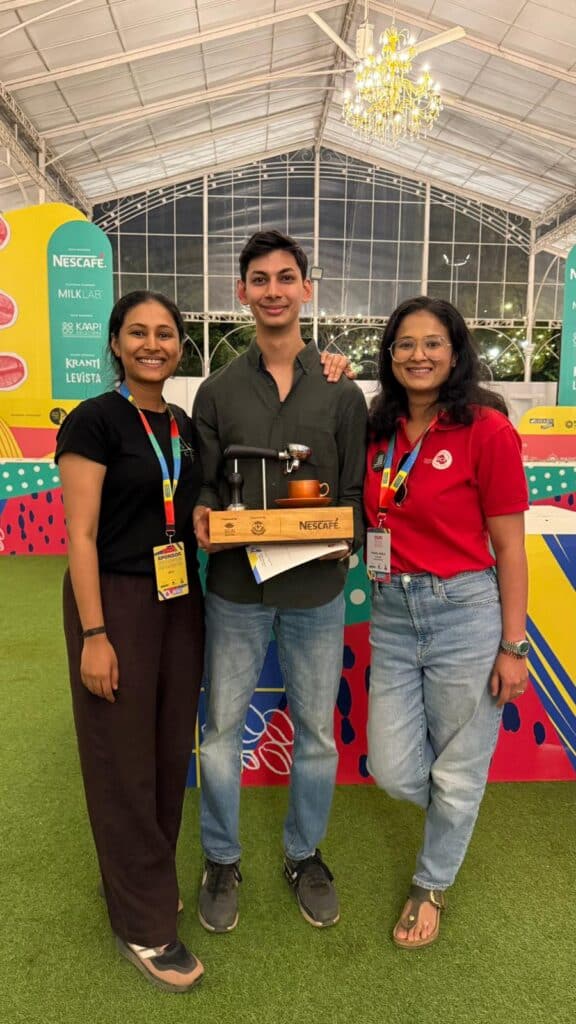
Lionel Crasto moves between two coffee worlds with intent. Raised in Mumbai and now based in London, he works as the UK Ambassador for South India Coffee Company while sharpening his barista skills behind the bar at Formative Coffee. Five years into his career, he has already stood on major stages, placing 6th at the UK Barista Championship 2025 and 3rd at the Indian Barista Championship 2026.
His entry into coffee began during the pandemic, when curiosity turned into obsession. Practical skills, repetition, and sensory discipline became his foundation. Today, alongside completing a Master’s in Biotechnology and Business Management, he focuses on translating origin, processing, and species diversity into language that both professionals and everyday drinkers can understand.
Lionel’s work is driven by context. He advocates for Indian coffees as complex, structured, and often underestimated, and he pushes for hospitality standards that match technical aspects of brewing. For him, flavour is shaped long before brewing begins, and competition is a tool for clarity, not ego. Whether cupping, training, or preparing forthe next competition, he keeps the goals simple: raise standards, represent origin with credibility, and keep learning.
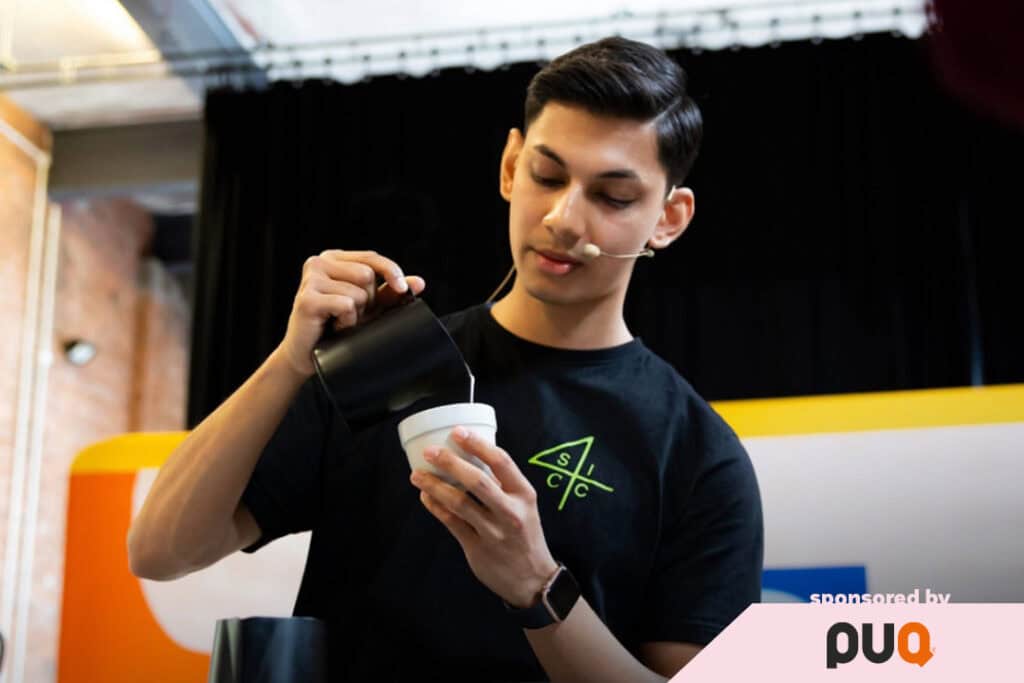
Lionel, what inspired you to pursue a career in the coffee industry, and how did you get started? What did you do before coffee?
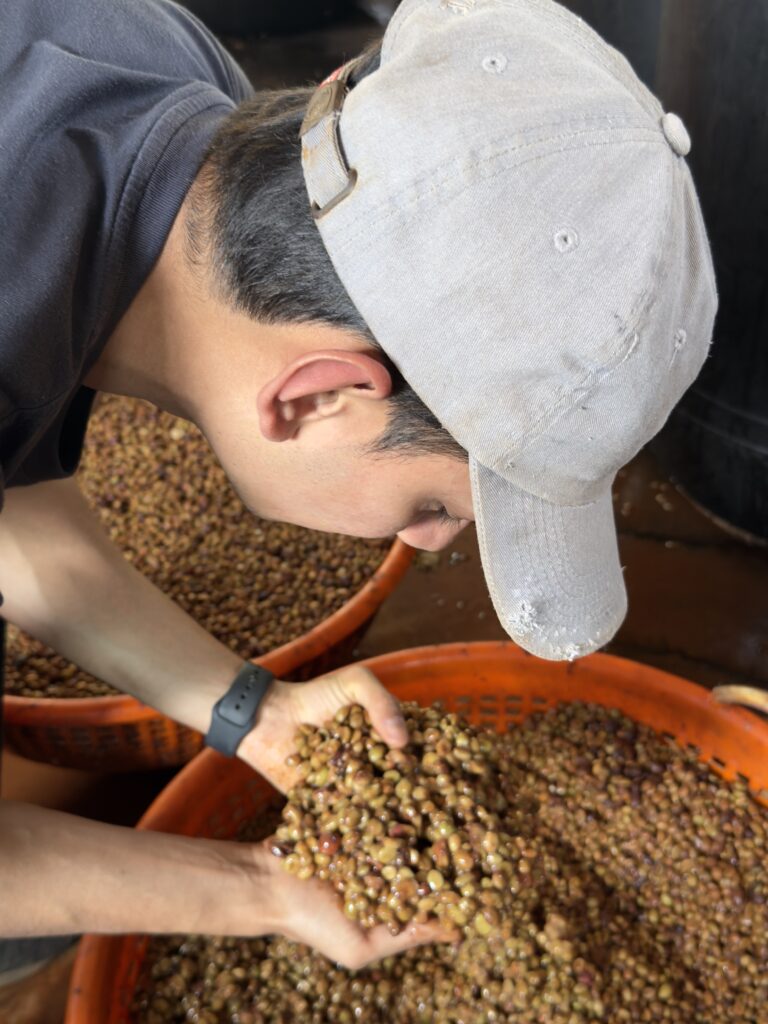
Just before the pandemic, I was studying life sciences and spending a lot of time in cafés, partly to study and partly because I was genuinely curious about what was happening behind the bar. When the pandemic hit, brewing at home pushed me deeper into coffee. I started reading, experimenting, and getting obsessed with origins, processing, and flavour development.
That interest became my full-time work when I joined Subko Specialty Coffee Roasters in Mumbai, where I worked in quality control and coffee education. In my first role, I was asked to train baristas despite having no experience behind the bar. That experience made me realise that understanding coffee intellectually is not enough. You need practical skills before you can teach them. This pushed me to work behind the bar, even part-time, to develop real competence and credibility. It gave me a strong foundation in sensory, green coffee, consistency, and how to communicate coffee clearly to both professionals and everyday customers.
I later moved to the UK for my Master’s in Biotechnology, Bioprocessing and Business Management. While studying, I worked part-time in cafés, which kept my skills grounded and my standards sharp.
Before coffee, I was a curious student who played multiple sports and was constantly experimenting, from the gym to the kitchen to whatever I got obsessed with that month.
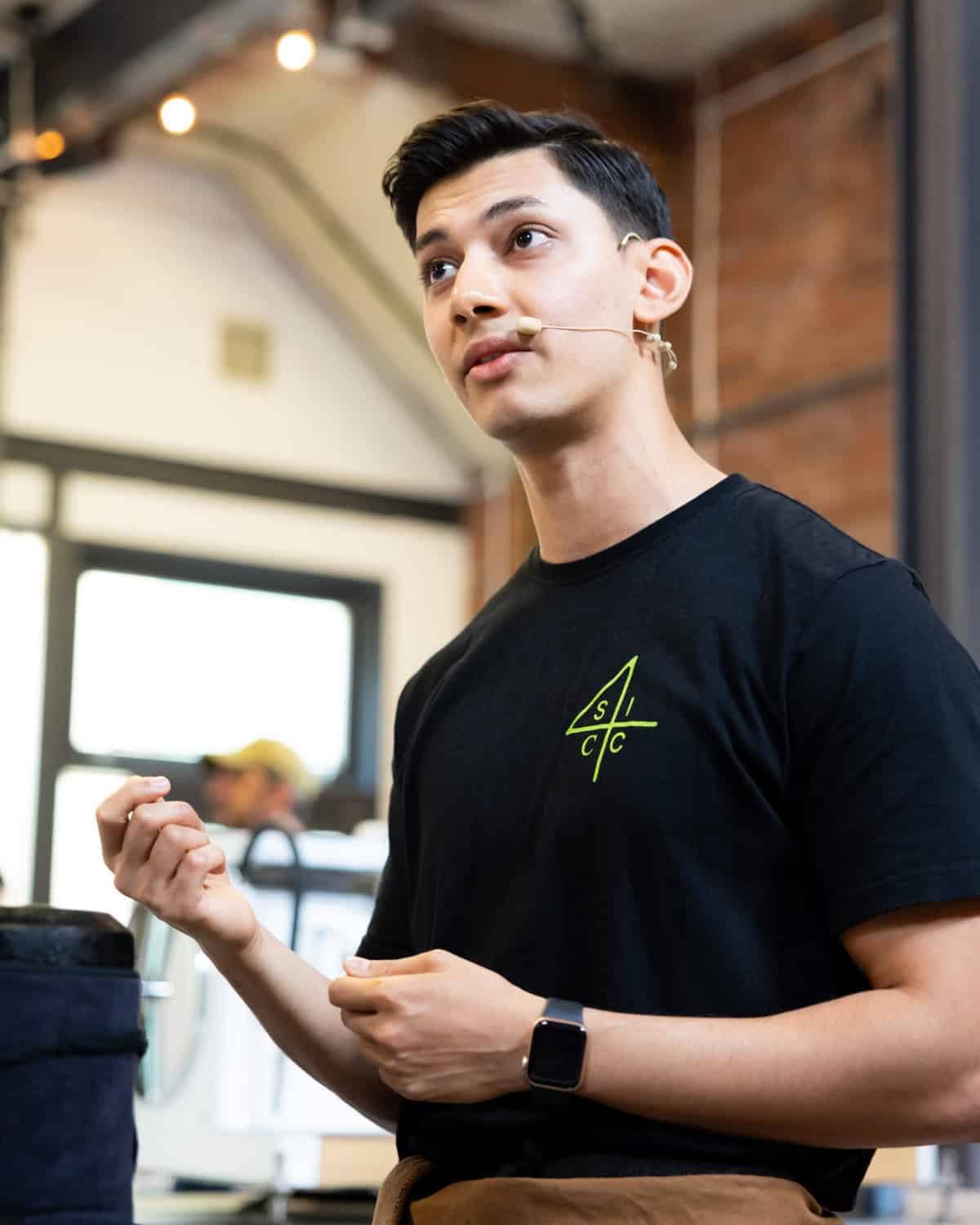
Tell us a bit about the places you work at. What are your roles there?
I currently work with South India Coffee Company as the UK Ambassador. I help translate origin and processing information to consumers, support roaster relationships and cuppings. A big part of my work is advocacy, especially making sure coffee species and Asian coffees are represented with context and credibility.
Alongside that, I work at Formative Coffee in London. It’s a place that keeps my standards high, and it supports my competition preparation through daily repetition, discipline, and constant sensory calibration.
What kind of experience do you want your customers to have when they try your coffee?
I want customers to feel like they’re being looked after properly. The coffee should be the main focus, but served with context, like a story they can actually remember. I aim for service that’s polished and professional, but still warm and human, so people leave feeling welcomed, not lectured. If someone is deep into coffee, I’ll geek out with them. If they are not, I want them to leave feeling like they discovered something new without being talked down to.
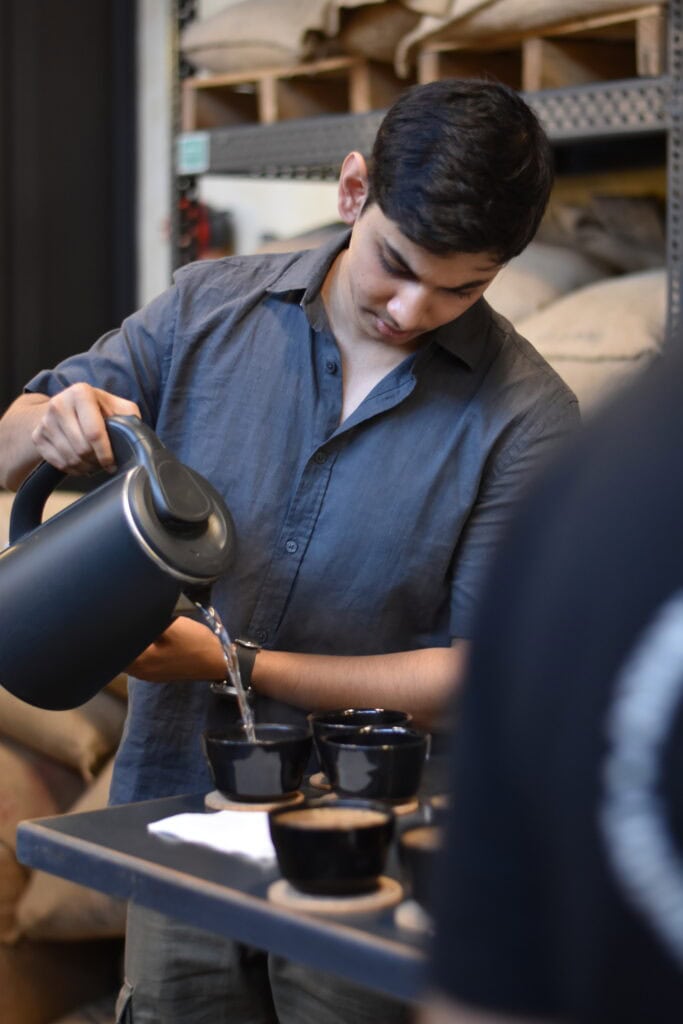
What is your favourite part of the day at work, and why?
Cupping. It’s the most honest part of the day, and it keeps you sharp. It’s also where you learn the most, because you can taste patterns, spot issues early, and understand coffees beyond just “this is nice”.
How do you stay motivated and inspired to keep improving your coffee-making skills?
I stay curious, and I stay around people who share the same ideology. Competitions help because they force constant improvement. Also, I learn a lot outside of coffee, from wine, beer, chocolate, and fine dining service, and bring those ideas back into my work.
What are some common misconceptions about our industry that you’ve encountered, and how do you address them?
One common misconception is that working in coffee just means being behind the bar serving drinks. In specialty coffee, especially, there are so many roles behind the scenes that shape what ends up in the cup, like sourcing, green buying, QC, roasting, logistics, education, training, and producer support.
When I talk to people about it, I try to show how specialty coffee is really a supply chain of decisions, and that quality comes from many hands, not just the person making the drink. I also like to remind people that specialty is not a guaranteed label for ethics or sustainability. It should mean higher standards and more transparency, but it still depends on how we actually operate and how we treat producers.
What are the current trends in cafes in your region? Are there any trends you promote yourself and would like to see more often in other places?
There’s more interest in modern espresso styles like turbo shots, and cafés are leaning into more vibrant coffees. There’s also a lot of attention on fermentation and processing. I like the increased curiosity, but I think we need more context and less hype; processing shouldn’t just be a marketing trick.
A trend I’d love to see more of is better hospitality in specialty coffee. Great service should match great coffee.
Why is coffee from India special, and why should we all be drinking it? 🙂
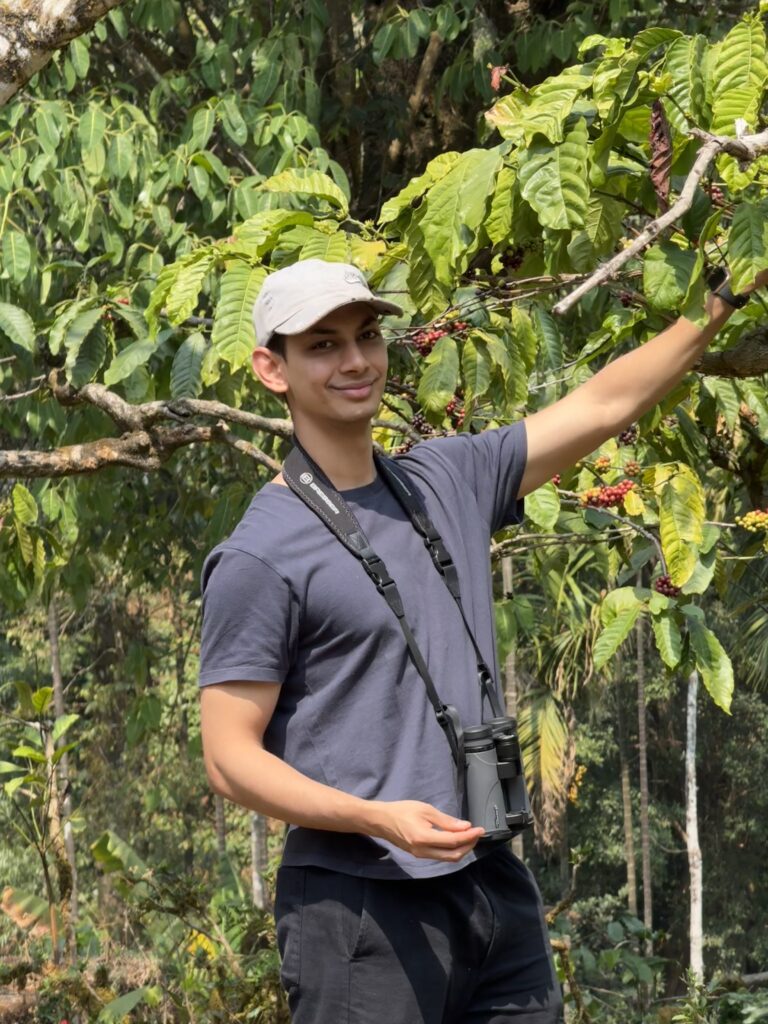
India is one of the most misunderstood origins in specialty coffee. There is huge diversity in microclimates, cultivars, and processing styles, and the best producers are investing seriously in quality.
What excites me most is the potential. Indian coffees can be complex, structured, and distinctive, and they can also be a key part of climate resilience through species diversity. If people keep an open mind, India can genuinely surprise them.
You have some amazing achievements in championships. Can you tell us more about them? What are the next championships you’d like to compete in?
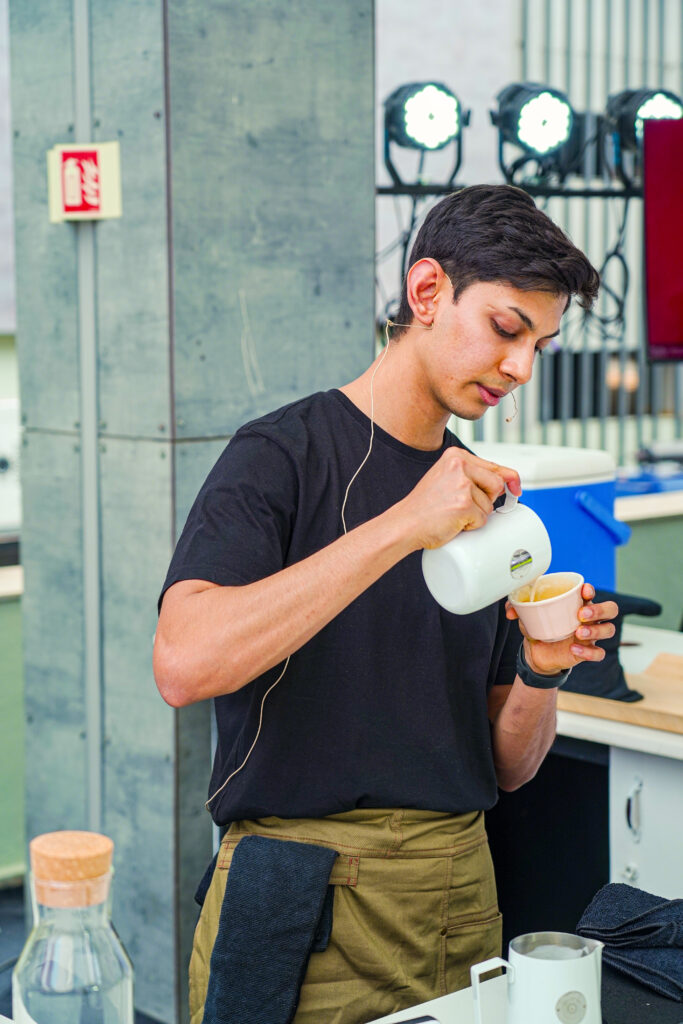
Competitions gave me structure and a way to measure myself. I placed 6th at the UK Barista Championship 2025 and 3rd at the Indian Barista Championship 2026. I also regularly compete in Cup Tasters and AeroPress championships.
Next, I want to build on confidence and consistency, and keep pushing myself through competitions that test sensory and versatility. I’ll be competing in the London Coffee Masters 2026, and it is one I’m especially excited about because it’s interdisciplinary and performance under pressure really matters.
What, in your opinion, is the most important thing to have in mind when you start to compete in coffee championships?
Have a reason for what you’re doing and keep it simple. A clean idea executed well beats a complicated idea done badly. Also, train fundamentals more than you train “a routine”. Under pressure, you fall back on habits. Having a team you can trust will perhaps make the most difference.
If there were one piece of knowledge about coffee you’d like everyone to know, what would that be?
Most of the flavour was decided before the coffee ever reached your grinder. Origin, processing, drying, and sorting matter more than people realise. Brewing is important, but it’s the last chapter, not the whole book.

What are your passions and hobbies apart from coffee?
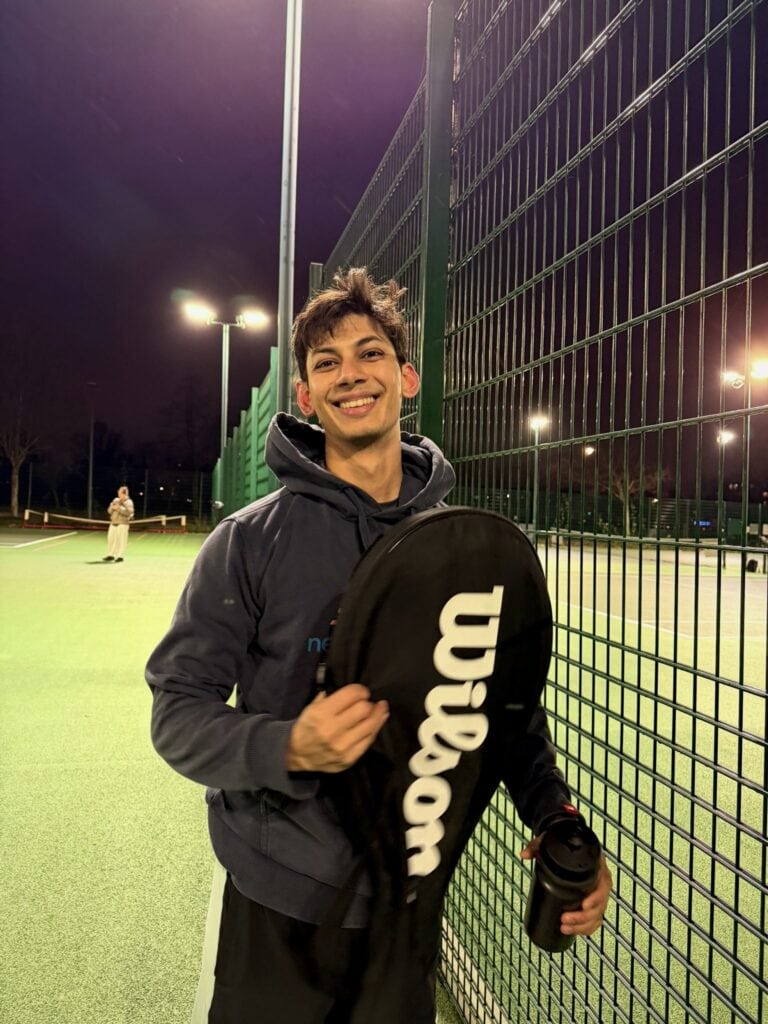
Sports and the gym keep me sane. I play football and tennis, and I’m into wine. I love learning through tasting, whether it’s coffee, wine, or cocktails.
Where in London do you find your best inspiration?
Markets, parks, and restaurants. I take a lot of inspiration from hospitality outside of coffee. Watching great service, great pacing, and how people are made to feel welcome teaches me more than any recipe.
What coffee challenges are you looking forward to?
I’m looking forward to doing more work that connects producers and roasters through real feedback loops. I also want to keep building platforms for Asian coffees through cuppings, events, and education, and keep growing my own sensory skills.

Quick Fire Questions for Lionel Crasto:
Filter coffee or espresso-based?
Filter coffee.
Milk coffee or black coffee?
Black.
The most underrated coffee drink?
Split shot, i.e. single-shot cortado and single espresso.
The most underrated coffee brewer?
Cupping bowl.
Favourite piece of barista equipment?
Cupping spoon.
How do you make coffee at home?
Pourover.
No.1 café in Europe that every coffee geek should visit?
Sale Moon, Manchester.
What’s your dream place to have a coffee tour?
Edinburgh for sure. It’s compact enough to do a proper coffee crawl on foot, but the scene is genuinely high-level. You get a great mix of quality-focused cafés and a strong roaster presence with a great coffee community.