
Anzhelika Rybak is a coffee professional shaped by long term commitment and steady growth. Based in Poltava, Ukraine, she has spent nine years building her career from a street coffee bar to leadership roles across cafés, education, roasting, and equipment services. Today, she holds multiple positions within the KoHo and Touch Roastery, combining management, training, quality control, and sales with a clear focus on raising standards.
In 2025, she became the V-ce Champion of the Ukrainian Barista Championship and went on to represent Ukraine at the World Finals in Milan (substituting Kostiantyn Strelnykov who unfortunately couldn´t attend the championship), carrying both professional responsibility and national meaning onto the global stage.
Anzhelika’s story cannot be separated from the reality around her. Coffee, in her world, is not only about taste or technique. It is a daily ritual, a point of stability, and a way to support culture and community during wartime. Through education, mentorship, and leadership, she continues to invest in the future of Ukrainian coffee, helping it grow with confidence, identity, and purpose.
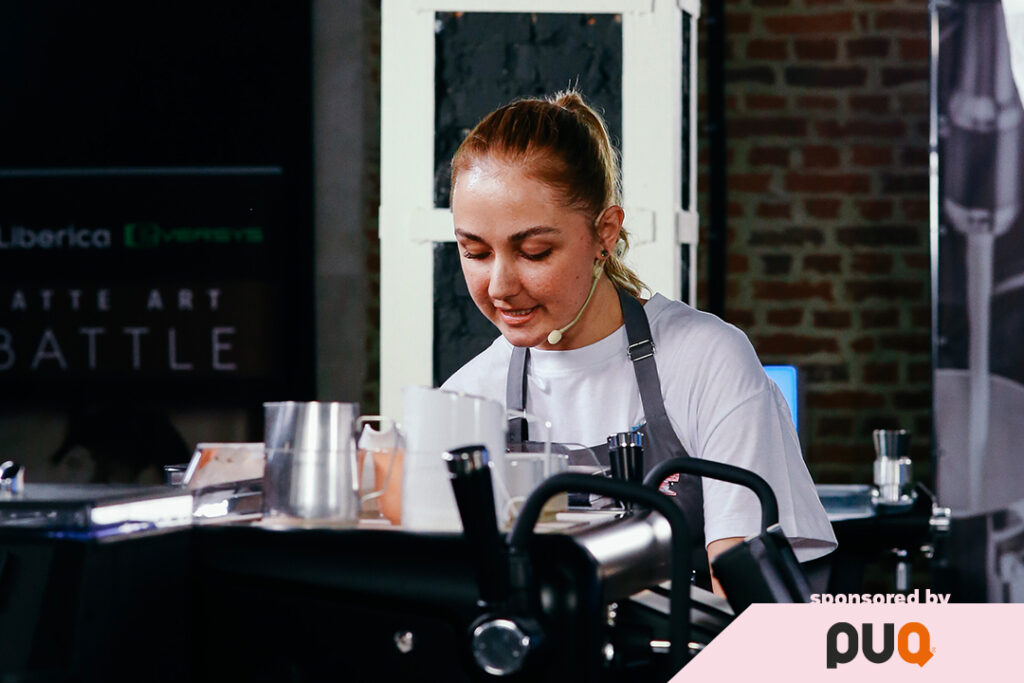
Anzhelika, what is your first memory with coffee?
My first memory of coffee probably dates back to my childhood, when instant coffee and 3-in-1 coffee with powdered milk and sugar were popular in our country.
But seriously, my first real memory of coffee is from when I was taking my first coffee-making courses and was taught to drink straight espresso while dialling in the grind. It was torture for me back then. Now, however, I teach my own students the same way and truly understand how difficult it is for them at the beginning.
What inspired you to pursue a career in the coffee industry, and how did you get started? What did you do before coffee?
I don’t know how it is in other countries, but in Ukraine, it has almost become a tradition: many people who become professional baristas started working in a coffee shop during their student years just to earn money over the summer, and then stayed and built a career in coffee.
After my first year at university, I also came to a coffee shop to work for the summer, and I ended up staying for 9 years, developing both myself and the company. I was truly lucky with the management in our company—we share the same vision and desire for growth, and they saw leadership and mentoring potential in me.
Believe it or not, I was a professional dancer: I spent 17 years in ballroom dancing and was even planning to pursue an education as a choreographer. But life took a turn, and the coffee industry claimed me instead.
Tell us a bit about the place you work at. What is your role there?
I’ll start with the KoХo, where I began my career as a barista. At one point, we had 12 takeaway-format coffee shops in our city, along with several franchise locations in other cities. Over time, however, we decided to change our approach and focus on the most interesting and promising venues – developing cafés where guests can stop, sit in a comfortable space with their favourite drink, meet friends, or take coffee to go. As a result, we kept three locations and poured our heart and soul into each of them.
After working as a barista for a year, I realised I wanted to move forward, and the company’s directors supported me in this decision. I completed several professional development courses and moved into the roles of Administrator and Head Barista. My responsibilities included staff training, quality control, creating seasonal menus, and maintaining high standards of customer service.
Initially, our chain worked with Italian-roasted coffee for about four years. As coffee culture in our country began to grow rapidly, we transitioned to Ukrainian-roasted coffee and opened the first barista school in our city. This allowed café owners and everyday coffee lovers to learn proper brewing and drink preparation, understand different coffee varieties, and explore coffee culture in general.
Later, we opened a full-cycle service centre for coffee equipment, offering sales, rentals, repairs, and consulting services – including turnkey café openings and professional consultations. After that, we realised we were ready to develop another key part of coffee culture in our city and opened our own roastery.
Throughout the company’s growth, I continued to grow alongside it. Today, I lead a team with whom we work on multiple projects – from developing our own cafés to opening new ones for clients. In my role as Manager of the coffee shop chain and the roastery, I continue to teach at the barista school, create seasonal drinks together with my team for our cafés and industry colleagues, help newcomers open their own establishments, select coffee that best fits each café’s concept and needs, and gradually contribute to the development of coffee culture in our region and across the country.
What is your favourite part of the day at work, and why?
Each part of a working day in a coffee shop has its own unique vibe – from the moment you arrive, open the café, turn on the equipment, and get the chance to enjoy your first cup of coffee. Then come the guests you already know, who feel more like friends. While making their coffee, you chat about how they’re doing, how their cat or dog is doing.
After that comes the usual rush, when you don’t even have time to sit down because of the constant flow of orders. And finally, there’s the end of the day, when you can exhale and get ready to go home. These are all emotions you live through in a single day – an exchange of energy with your guests.
I smile when I think back to the times when I worked barista shifts. Even now, when I visit our cafés, there are regular guests in each one—people we talk to, are happy to see, and with whom we can reminisce about how we all started. It’s a truly valuable and meaningful kind of connection.
What would you like people to know about Ukrainian coffee culture?
Since the beginning of the full-scale invasion and the war, coffee culture, in my opinion, has begun to develop more vividly and rapidly. This is closely connected to people’s motivation to develop their own culture – and coffee culture in particular.
In Ukraine, coffee championships and festivals are being held. Our champions prepare for competitions under shelling and during air raid alerts, while at the same time representing Ukraine on the world stage. The country also hosts coffee education events, as well as an open MSc-level academic program at Chernivtsi National University dedicated to the technology and expertise of coffee, tea, and cocoa.
Many important steps are being taken to form our own identity. For a long time, we depended on other people’s tastes and our neighbours’ preferences. But since the start of the full-scale invasion, Ukrainians have begun to shape their own coffee taste and identity – independent of anyone else.
Perhaps this is the most important thing. Today, every Ukrainian understands what it means to consume Ukrainian coffee and support a Ukrainian product. And every year, the consumption of Ukrainian coffee, as opposed to imported coffee, continues to grow. This is a clear indicator of progress.
What is the current situation of cafes in Ukraine?
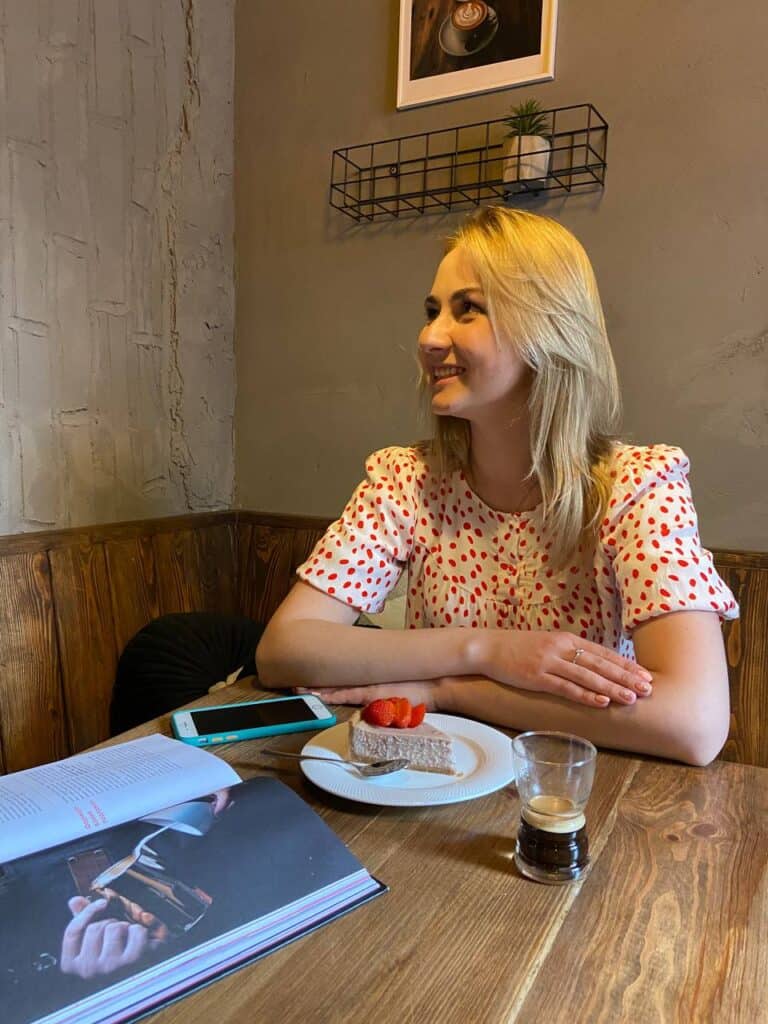
For a long time in Ukraine, small specialty coffee shops were popular – places where you could simply stop by and enjoy a good cup of coffee or a coffee-based drink. Today, however, urban cafés are gaining more and more popularity – venues that offer high-quality specialty coffee, tea, and full meals.
Why is this happening? First of all, because of the lack of time. People who just want a coffee usually pop into a café quickly and consume it on the go. But if someone plans to spend time in a place, they want to combine that time with food. This is exactly why the growth of venues in this format confirms this trend.
I believe that each year, while the war continues in Ukraine, these types of establishments will remain the most popular. The main reason is their functionality: they usually have electricity, water, and internet. In fact, they serve as a kind of warming and safe space where people can sit, work, eat, drink coffee, and spend time calmly.
Therefore, any venues that operate autonomously, provide a basic level of safety, ensure stable product quality, and have access to electricity and water become far more popular than small coffee spots focused exclusively on beverages.
Has coffee become a form of stability or refuge for you during the war?
Today, coffee is more than just a beverage. Ukrainian coffee has become a symbol that unites Ukrainians across different cities. In the situation Ukraine is facing today, coffee has become a symbol of warmth, hope, memories, and comforting emotions.
During the war, coffee has become a ritual and a reminder of peaceful life for many people. Today, coffee is a point of calm after nighttime enemy attacks on our peaceful cities; it is energy and warmth for rescuers clearing rubble and for medics saving lives. It is a meeting place for volunteers and soldiers over a cup of warm coffee – a connection to normal, peaceful life.
Now, coffee is something stable in our daily lives, despite sleepless nights and fear. Coffee is a link for soldiers in combat zones to the home they are protecting. Ukrainians are learning to live in harsh realities. Many colleagues in the coffee industry have been affected by attacks and continue to suffer, yet people come together, support these cafés, and help them recover. That solidarity is priceless.
You have some amazing achievements in championships. Can you tell us more about them?
The story of my achievements in championships is quite interesting. For a long time, I had been watching competitions from the audience, curious about what it would be like on the other side of the stage. Last year, together with the company’s management, we decided that the time had come to take part in the Barista Championship. Since we are from a small city and a small company, our initial goal was simply to participate.
Due to certain circumstances, we had only two months to prepare for the championship. This period also included sleepless nights caused by Shahed drone attacks, when you spend the entire night in a shelter and still have to go to work and continue preparing for the competition in the morning.
My coach was Oleksandr Benytskyi (Ukrainian Latte Art Champion 2017–2023, Barista Champion 2020–2022, 2024). With his support and vision, I approached my first championship with confidence. After my semifinal performance, I felt proud just to have competed. Many of the other participants were experienced competitors, and for me, the main goal was simply to experience being on the other side of the stage. When I saw my name among the finalists, I didn’t believe it at first. But thanks to my coach and the KoHo team, I knew I had delivered a strong performance.
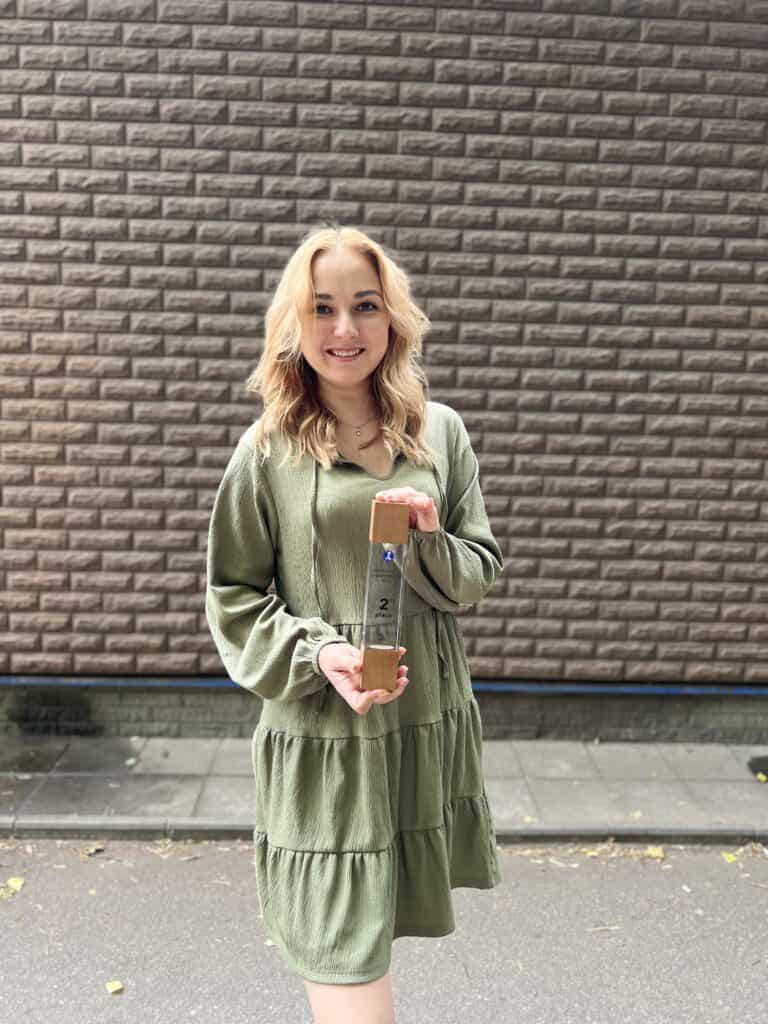
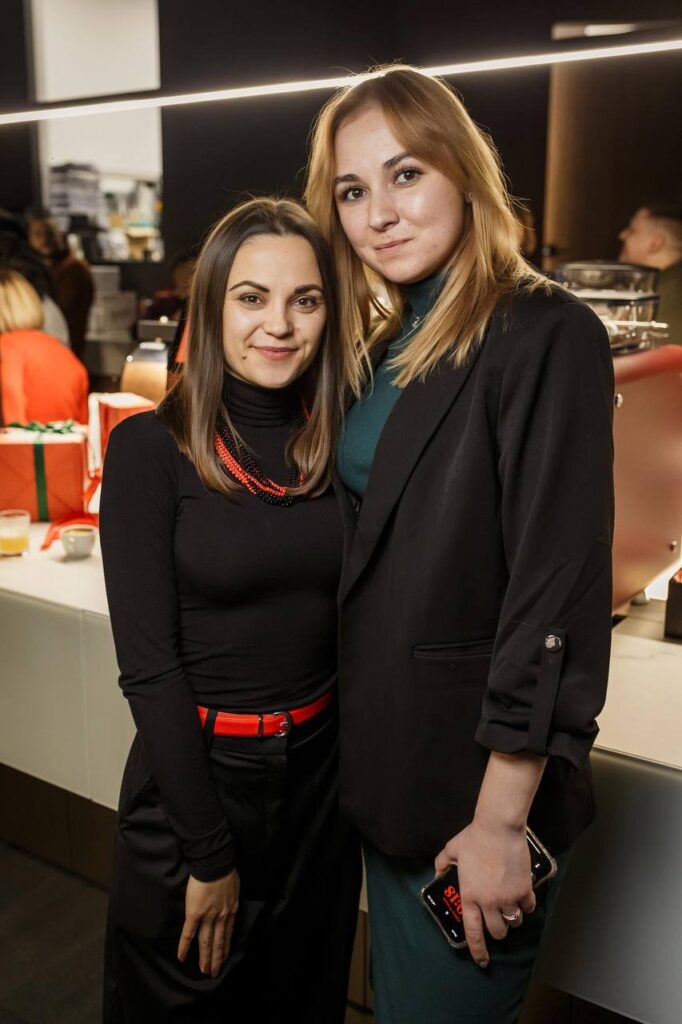
At the award ceremony, when it was announced that I had taken second place, I felt shock, pride, and a deep realization that yes – we had done it. As Khrystyna Havrysh – SCA Ukraine Coordinator – recently told me, I burst onto the championship scene: neither I nor our company were known before, and yet I reached the final and took 2nd place right away.
How did you feel when you learned you would go to the World Finals?
This responsibility is immense – especially now, for our country, which is at war and constantly under threat. Unfortunately, the competitor who took first place at the national championship was unable to represent the country on the world stage, so I went instead.
There was very little time – at most two months – to prepare from scratch. I’ll be honest, I was scared. But a team came together around me thanks to Khrystyna: 24/7 support, consultations, help with every possible issue. Even with the national championship taking place just two weeks before the World Championship, the entire team was fully involved in my preparation.
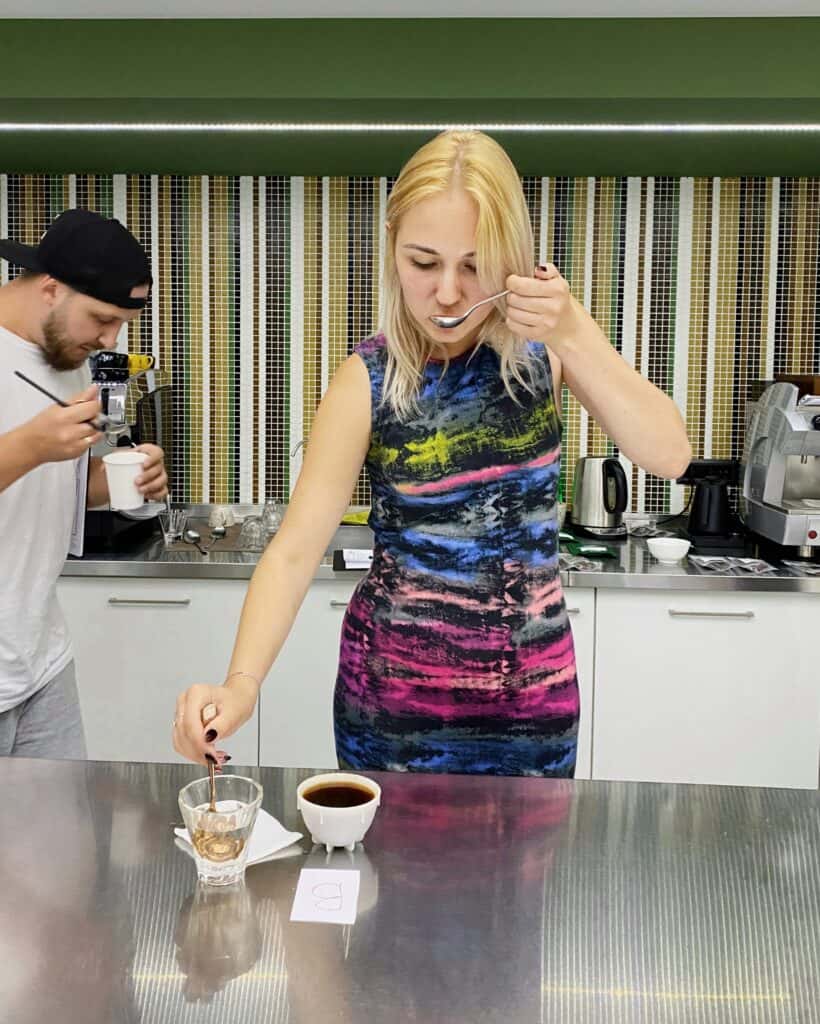
While searching for coffee for the World Championship, the company COFFEETONE provided incredible support. In a short period of time, we cupped more than ten coffee samples and selected exactly what I needed. In addition to helping with coffee selection, the company covered a large part of the expenses for the World Championship.
A key aspect of my preparation was the way the coffee community united to support a competitor. This approach continues with future champions as well, because a representative at the World Championship never goes alone – they go with a team, in the interests of the entire country.
I can say that after representing my country, I don’t envy champions. It is an enormous responsibility and a great deal of stress, and you return from the World Championship as a different person!
What moment during the competition made you smile?
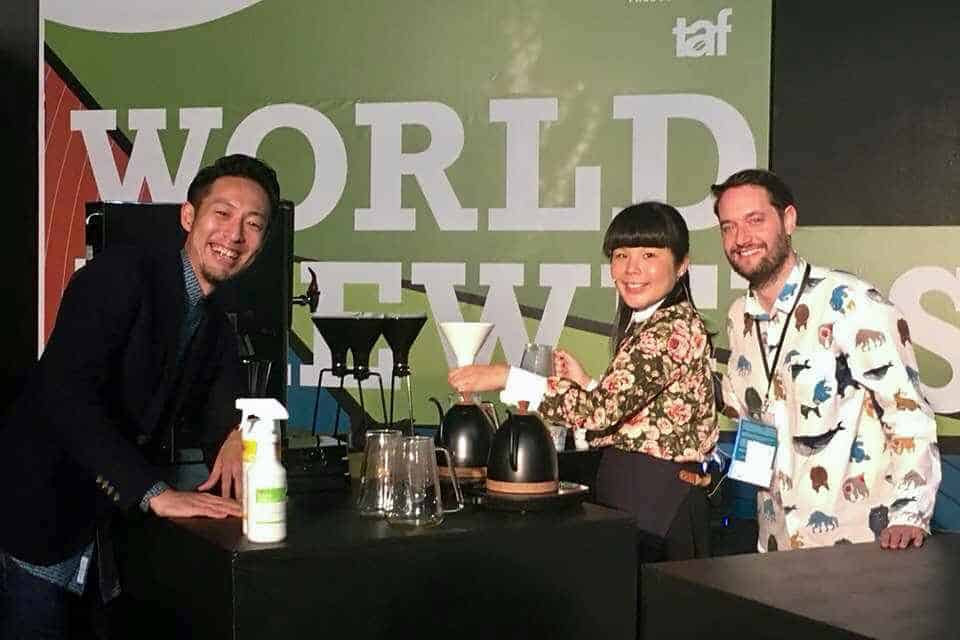
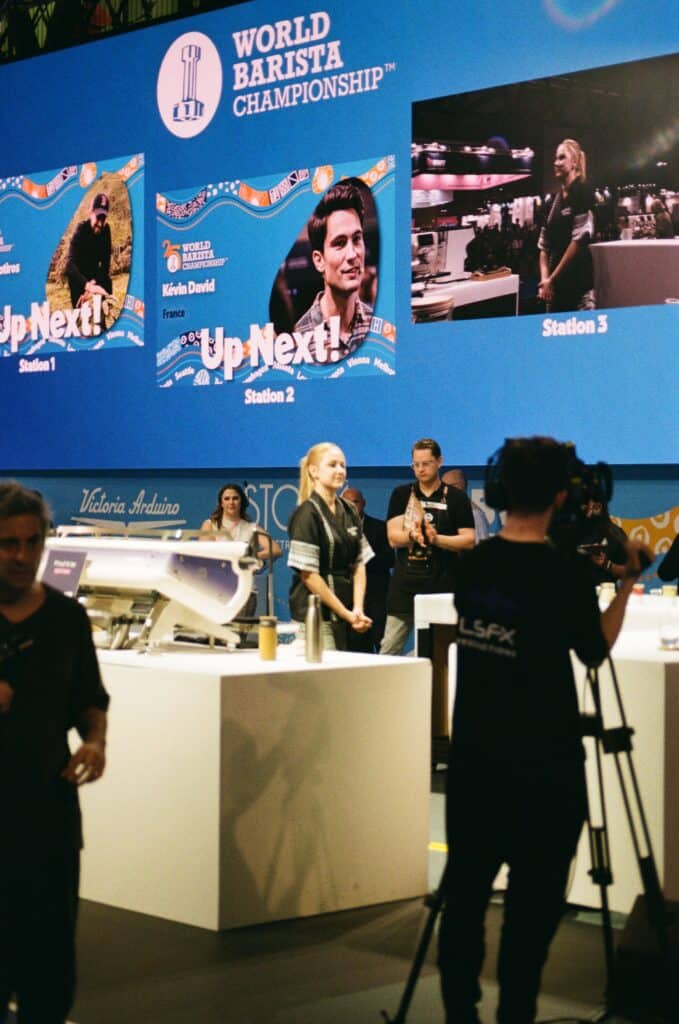
At the World Barista Championship, what made me smile were not only the results, but also the small, deeply human moments. I smiled at the realization that among hundreds of the world’s strongest baristas, I was standing there with the Ukrainian flag in my heart – and that I truly had the right to be there. The support of the coffee community also brought a smile: sincere hugs, the words “you’ve got this”, and the looks of people who understood what it took to make it to that stage.
I smiled at the moments behind the scenes – when competitors from different countries shared coffee, joked, and helped each other with small things, even without knowing my story, yet feeling a sense of unity. It made me smile how attentively the judges listened to every word, how the stage stopped being frightening and started to “breathe” together with me.
And I smiled at the awareness that behind me stood an entire country, a team, and people who believed, supported, and waited. In moments like these, fear fades away, replaced by quiet joy and gratitude. These are the moments that stay with you forever!
What do you want the international coffee community to understand about Ukraine beyond the headlines?
Beyond the news headlines, I want the international coffee community to know that Ukraine is alive, resilient, and driven by a desire to grow. Despite the reality we live in today, we continue to develop our coffee culture, defend our own identity, learn from colleagues around the world, and move forward every single day.
Coffee in Ukraine is not just about quality or trends. It is about strength, unity, and meaning. We continue to learn, compete, open cafés, roast coffee, and share knowledge even in the most difficult conditions. Every day is a fight for the future, and every cup of coffee is a small act of hope and resistance.
We are not just trying to survive under these circumstances – we are building, learning, and creating. And we want the world to see Ukraine not only through the lens of war, but as a country of passion, talent, culture, and a strong voice in the global coffee community.
Where in your city do you find your best inspiration?
What inspires me the most is our people. Their sincerity and openness can be felt even in the most challenging circumstances. Despite everything, we manage to preserve warmth, humanity, and the ability to support one another.
I’m deeply inspired by our culture – Ukrainian songs and traditional dances, their depth, emotional richness, and vibrant energy. This is our identity. It gives us inner strength, faith, and the motivation to live, grow, and keep moving forward no matter what. This living energy of our people and culture is my greatest source of inspiration.
What are your passions and hobbies apart from coffee?
Having a background on stage through my years of dancing, I’ve always loved dance and theater. I’m no longer performing myself, but I enjoy it immensely as an audience member. I’m passionate about horseback riding and exploring forests on ATVs. I also practice singing, enjoy studying psychology, and love spending time with friends playing board games – it’s a perfect way to relax and take a break from everything.
What coffee challenges are you looking forward to?
After everything we’ve been through, I truly hope for fewer challenges ahead. That’s why right now it’s especially important for me to focus my energy on growth – supporting and developing coffee culture in Ukraine.
I’m passionate about mentoring new championship participants and those who are just starting their journey in the coffee industry: sharing knowledge, offering support during moments of doubt, and helping them grow with confidence. The coffee community in our country is evolving very fast, and I want to be part of this movement – helping to navigate professional challenges and contributing to the development of a strong, modern coffee industry.

Quick Fire Questions for Anzhelika Rybak:
Filter coffee or espresso-based?
Espresso-based, but about an hour later, a filter coffee!
Milk coffee or black coffee?
Black.
The most underrated coffee drink?
An underrated drink is coffee brewed in a cezve. I fell in love with this brewing method thanks to our champion Ivan Bilousov, who represented our country in this discipline at the World Championship in 2024. Be sure to visit his IG, where you can see how to brew coffee in a cezve properly and deliciously. And if you ever get the chance to attend a pop-up with Ivan, you’re one of the lucky ones!
Favourite piece of barista equipment?
Espresso machine.
How do you make coffee at home?
I have an Italian moka pot at home, and I love to start my morning with it!
What’s your dream place to have a coffee tour?
For a coffee tour, I recommend visiting our capital, Kyiv. There is an incredible number of great coffee shops there – the Idealist coffee shop chain, Nuance, Yellow Place, TaKava, and many others!